Book Appointment Now

Choosing an immersion silver PCB manufacturer? Check four records before you order: bath analysis, X-Ray thickness, anti-sulfur packing and solderability retention.
How to Choose an Immersion Silver PCB Manufacturer: An Audit Guide
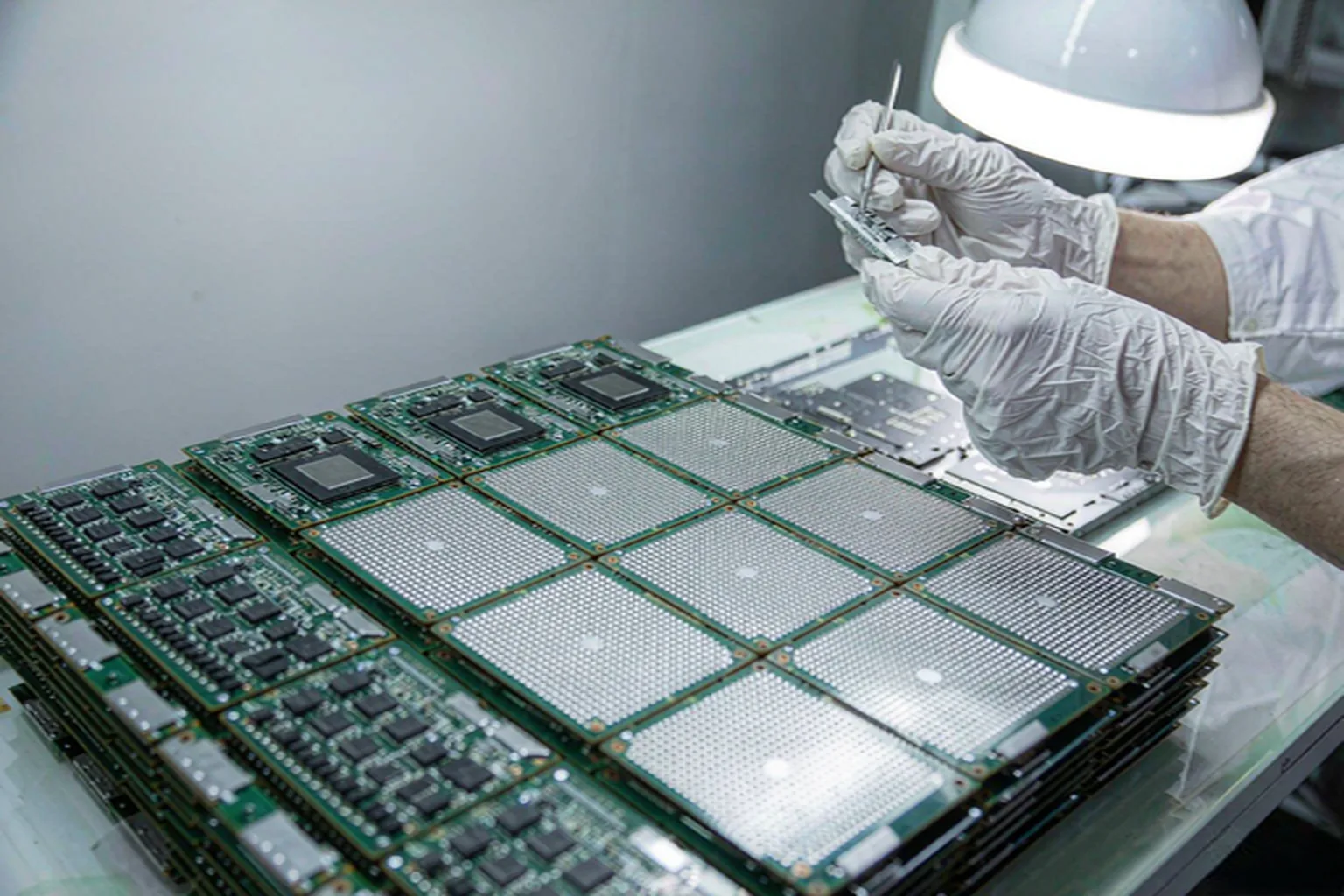
Selecting an immersion silver PCB manufacturer is less about the coating itself and more about whether the supplier can keep a sulfur-sensitive finish stable from plating through assembly. Immersion silver (ImAg) is a mature, lead-free surface finish with excellent planarity and coplanarity, but its solderability window narrows quickly without disciplined chemistry control, thickness sampling and anti-sulfur packaging. This guide gives hardware engineers the exact records to request and the failure modes to screen for before releasing a purchase order. The finish is often specified for radio-frequency and high-speed digital boards because silver over copper avoids the nickel barrier that sits beneath electroless nickel immersion gold. That advantage only holds if the plating line is controlled. The difference between a capable immersion silver PCB manufacturer and a weak one shows up in four ledgers: solution analysis, thickness sampling, packaging specification and solderability testing. Read those and the sample’s appearance becomes almost irrelevant.
Table of Contents
- Where Immersion Silver Sits Among PCB Surface Finishes
- Why an Immersion Silver PCB Manufacturer Matters More Than the Finish
- Immersion Silver vs ENIG vs HASL vs OSP: A Selection Table
- Which Boards Are Good Candidates for Immersion Silver
- The Four Records to Request Before You Place an Order
- Immersion Silver PCB Manufacturer Audit Checklist
- Three Failure Modes and How the Factory Controls Them
- Thickness, Ionic Contamination and Solderability Testing
- Packaging and Storage: The Sulfur Problem
- Prototype Lead Time and What to Confirm at Review
- FAQ
- Send Your Stackup and Environment for a Finish Review
Where Immersion Silver Sits Among PCB Surface Finishes
Immersion silver is a chemical deposition of a thin silver layer directly onto exposed copper, forming a solderable, lead-free protective coating. Because the layer is thin and uniform, pad coplanarity is excellent, which helps stencil printing and placement yield on fine-pitch components. There is no nickel underlayer, so high-frequency signals see a lower-loss copper-to-silver interface than they would on ENIG. The trade-off is chemistry: silver tarnishes when it meets sulfur, so the entire logistics chain has to be managed, not just the plating bath.
That combination explains why the finish is common on RF front ends, planar antenna arrays, and high-speed digital boards that also need lead-free compliance. It also explains why factory selection matters more here than for a robust finish such as PCB surface finish comparison options like HASL. A capable laminate and materials guide will tell you which substrate pairs cleanly with ImAg and which stacks create moisture risks.
Why an Immersion Silver PCB Manufacturer Matters More Than the Finish
The plating chemistry is mature and widely available. What separates suppliers is process discipline over time. Silver concentration, pH, chloride and sulfide contamination drift as the bath ages; without scheduled analysis and corrective action, deposit thickness and morphology move with them. A shop that logs these values and reacts to out-of-spec readings will produce consistent boards months apart. One that relies on operator judgement will not.
The second differentiator is how the supplier treats the board after plating. Immersion silver panels should leave the line in vacuum anti-sulfur packing with desiccant, and the packing specification should travel with the shipment as a controlled document. A strong immersion silver PCB manufacturer will state a storage window and recommend solderability recheck for inventory that has been opened or held. That honesty is a better signal than a glossy brochure.
Finally, look at traceability. Records should be tied to the production lot, not filed as generic certificates. When a batch arrives with a thickness report, an ionic contamination result and a solderability record that all reference the same lot number, you can reconstruct the decision. When they do not, the paperwork is decoration.
Immersion Silver vs ENIG vs HASL vs OSP: A Selection Table
No finish wins on every axis. The table below places immersion silver against the three finishes it most often competes with, using the criteria that actually drive field failures and assembly yield.
| Finish | Planarity | High-frequency behavior | Tarnish / storage risk | Typical use |
|---|---|---|---|---|
| Immersion silver (ImAg) | High, good coplanarity | Good, no nickel barrier | Sulfur-sensitive; needs anti-sulfur pack | RF, planar arrays, lead-free fine pitch |
| ENIG | High | Nickel layer adds skin loss | Low, long storage life | General high-reliability assemblies |
| HASL | Moderate, uneven bumps | Moderate | Low | General low-cost boards |
| OSP | High | Good | Weaker storage life than metal coatings | High-volume copper protection |
Read the table as a starting filter. If the priority set is flat pads, lead-free compliance and low radio-frequency loss, ImAg is a balanced choice. If the board will sit in inventory for a long period or pass through multiple reflow cycles, the storage column deserves more weight than the frequency column.
Which Boards Are Good Candidates for Immersion Silver
Fit is a system decision, not a coating decision. The finish behaves well when the use environment, the assembly flow and the storage plan are all known in advance.
- RF and microwave boards where the signal rides on the surface copper and a nickel layer would add loss
- Fine-pitch and planar array layouts that need consistent pad height for stencil printing
- Lead-free assemblies that want ENIG-like planarity without a nickel barrier
- Boards assembled soon after manufacture under a controlled storage plan
Poor candidates are boards destined for humid or sulfur-bearing atmospheres, products with long inventory turns, and assemblies that will see repeated reflow or rework. In those cases another finish is usually safer. Tell the fabricator the actual environment and let engineering give a written recommendation; a credible immersion silver PCB manufacturer will decline the finish when it is wrong for the application instead of quietly accepting the order. For substrate-related trade-offs, see the high-frequency material selection guide.
Layer count and structure are not restricted by the finish. Production runs cover 2 to 30 layers, with prototypes up to 64 layers reviewed per project. HDI, blind and buried vias, and backdrilling can all be combined with immersion silver when the stackup calls for them.
The Four Records to Request Before You Place an Order
Ask for records, not promises. Each of the four ledgers below should be available for the most recent production lots and should name the inspection method and the acceptance limit.
- Solution analysis: silver concentration, pH, chloride and sulfide readings on a fixed schedule, with corrective actions logged when a value drifts
- Thickness sampling: X-Ray measurement report with per-location readings and a lower acceptance limit referenced to IPC-4553
- Anti-sulfur packing: vacuum sealing, sulfur-barrier paper and desiccant specified in a shipping document
- Solderability and ionic contamination: wetting or dip-tin tests plus ROSE or ion-chromatography results, retained per batch
A supplier that can produce all four without a second phone call is operating a controlled line. One that produces only a certificate of conformity is operating on trust. For the broader inspection framework these records sit inside, the PCB quality inspection report explains how electrical test, AOI and surface checks combine.
Immersion Silver PCB Manufacturer Audit Checklist
Use this table on a factory audit or a document review. The goal is to confirm that controls are scheduled, measured and traceable, not merely described.
| Area | What to request | Pass criterion |
|---|---|---|
| Chemistry control | Bath analysis log with dates and corrective actions | Fixed cadence; out-of-spec readings have logged actions |
| Thickness control | X-Ray sampling report by layer and location | Per-lot sampling against IPC-4553 lower limit |
| Anti-sulfur packing | Packing specification and desiccant record | Vacuum sealed at dispatch; spec ships with the lot |
| Solderability | Wetting balance or dip-tin record | Retained per lot and repeated after storage |
| Ionic contamination | ROSE or ion-chromatography result | Below accepted limit and retained per lot |
Beyond the finish-specific columns, the ordinary factory audit still applies: equipment and capacity, quality system, and how prototype and production slots are scheduled. An immersion silver PCB manufacturer that fails the generic audit will not be rescued by a clean plating log.
Three Failure Modes and How the Factory Controls Them
Most field complaints about this finish trace to three mechanisms. All three are visible in records before they become visible on a board.
| Symptom | Root cause | Factory-side control |
|---|---|---|
| Copper surface yellows or tarnishes | Loose packing or sulfur exposure in transit | Vacuum anti-sulfur pack and controlled turnaround time |
| Pad solderability drops | Silver layer too thin or stored in humid conditions | Per-lot thickness sampling and a stated storage window |
| Micro-voids at pad edges | Deposition too fast or aged solution | Concentration and loading control with scheduled bath replacement |
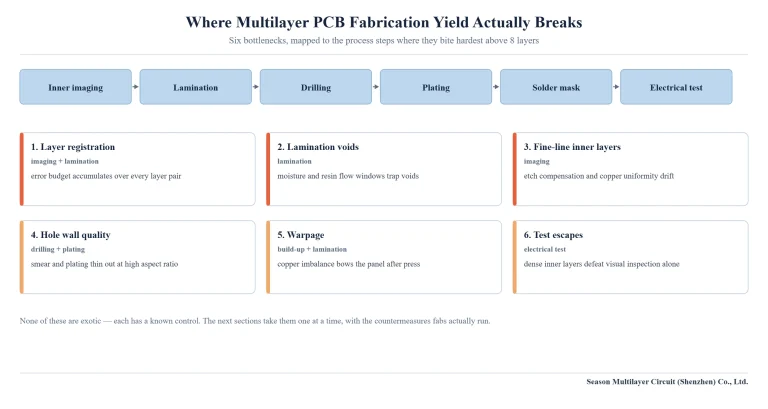
When auditing, pull the last three months of records rather than reading a process chart on the wall. A real control system leaves a paper trail of small corrections. A decorative one leaves only a slogan. The multilayer fabrication bottleneck review shows how similar discipline applies across the rest of the line.
Thickness, Ionic Contamination and Solderability Testing
Thickness is the variable most often confused with appearance. A bright silver surface can still be underspecified, and a slightly dull one can solder perfectly. X-Ray fluorescence sampling on representative locations is the only credible check, and the lower acceptance limit should be stated in writing rather than left to inspector judgement.
Ionic contamination matters because residues left after plating drive electrochemical migration under humidity. ROSE testing or ion chromatography gives a number that can be compared across lots. Solderability testing closes the loop: a wetting or dip-tin result after accelerated storage tells you whether the finish will still solder at the far end of the inventory window.
Ask how a failed result is handled. The right answer includes quarantining the lot, isolating the cause and retesting, not simply reclassifying the board. Acceptance classes follow IPC-A-600 and IPC-6012, with Class 2 as default and Class 3 available on request; the difference between them is summarized in the Class 2 versus Class 3 guide.
Packaging and Storage: The Sulfur Problem
Silver tarnish is silver sulfide, not oxidation of the copper underneath. It does not weaken the copper structure, but it changes pad appearance and narrows the wetting window. Because the trigger is environmental sulfur, the control lives in packing material and storage conditions rather than in the plating recipe.
Specify vacuum sealing, sulfur-barrier paper and desiccant, and require the packing instruction to accompany the shipment. Store panels dry and away from light, and use opened packs promptly. For inventory held over a long period, a solderability recheck before release is cheap insurance. This is the area where an immersion silver PCB manufacturer demonstrates whether it understands its own finish.
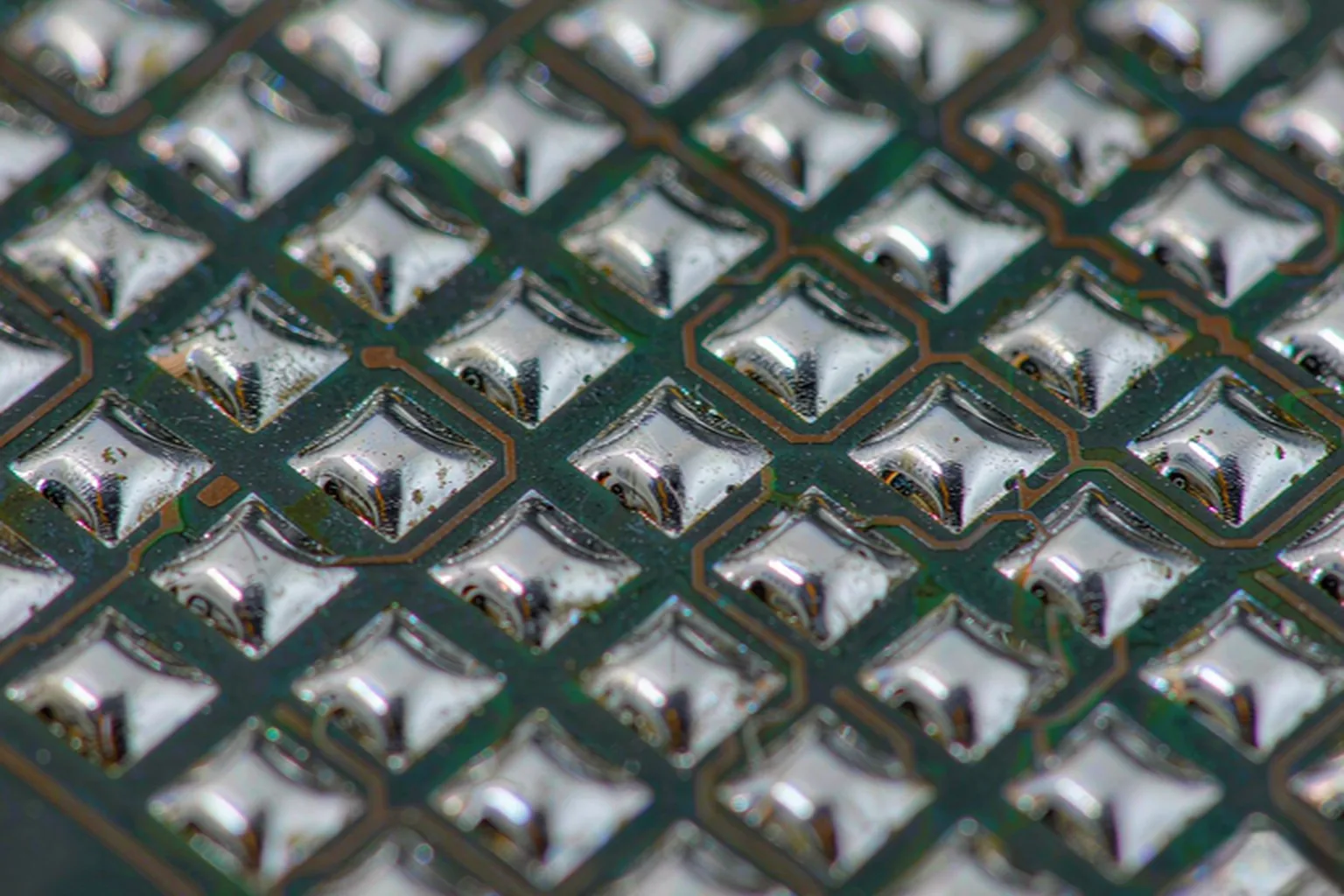
Leader laptops and office printers are common sulfur sources in a stockroom, which is why general electronics storage advice is not enough. Keep ImAg panels segregated from rubber, adhesives and sulfur-bearing packaging materials.
Prototype Lead Time and What to Confirm at Review
Prototype builds typically run 5 to 7 working days and production lots 15 to 20 working days, subject to engineering review of the specific stack and surface finish. These are planning ranges, not fixed commitments. Confirm the slot at quote stage because a special finish can move a board out of the standard line.
Outgoing inspection combines 100 percent electrical test and AOI appearance check, with silver surfaces free of tarnish and fingerprint contamination. Thickness and solderability records travel with the lot. Expedited slots are reviewed per project rather than promised as a blanket option. For the shop-floor sequence around plating and final inspection, see the PCB manufacturing process walkthrough.
One authoritative reference worth keeping beside the audit table is the IPC standards overview at IPC standards; acceptance criteria and test methods change, and the current revision governs. For lead-free compliance claims, UL Solutions publishes the relevant material and flammability context.
Frequently Asked Questions
How do I choose an immersion silver PCB manufacturer?
Audit four records: scheduled solution analysis (silver concentration, pH, chloride and sulfide), per-lot X-Ray thickness sampling to an IPC-4553 lower limit, vacuum anti-sulfur packing, and retained solderability plus ionic contamination results. Then apply the generic factory audit for equipment and quality system.
Is immersion silver better than ENIG for high-frequency boards?
Often yes. ImAg has no nickel underlayer, so the signal sees a lower-loss copper-to-silver interface. ENIG stores longer and resists tarnish better. The right choice depends on whether radio-frequency loss or inventory life is the tighter constraint, so ask the fabricator to evaluate the actual stackup.
Does immersion silver tarnish, and how is it prevented?
Yes. Silver reacts with sulfur to form silver sulfide, which yellows the surface and narrows the solderability window. Control comes from vacuum anti-sulfur packing, sulfur-barrier paper, desiccant, dry dark storage and prompt use after opening the pack. The tarnish does not damage the copper underneath.
What thickness should an immersion silver layer meet?
Thickness should be specified against the IPC-4553 acceptance limit and verified by X-Ray sampling at representative locations on each lot. Visual brightness is not a proxy for thickness. Ask for per-location readings and the stated lower limit, not a generic certificate of conformity.
How long can immersion silver PCBs be stored?
It depends on packing and conditions. Vacuum-sealed, sulfur-barrier packs kept dry and dark hold a usable solderability window far longer than opened boards. There is no universal number: use the supplier’s packing specification as the guide and run a solderability recheck on inventory before release.
Can immersion silver be used on HDI and multilayer boards?
Yes. The finish does not restrict layer count or structure. Production covers 2 to 30 layers, prototypes up to 64 layers by project review, and HDI, blind and buried vias or backdrilling can be combined with ImAg when the stackup requires them.
What causes solderability loss on immersion silver pads?
The common causes are a silver layer below the specified thickness, moisture exposure during storage and sulfur contamination that forms a tarnish film. Per-lot thickness sampling, a stated storage window and anti-sulfur packing address each cause, and a post-storage wetting test confirms the result.
What documents should ship with an immersion silver order?
Request the thickness sampling report, ionic contamination result, solderability record and packing specification, all tied to the production lot. Outgoing electrical test and AOI results should accompany the lot, along with the agreed acceptance class under IPC-A-600 or IPC-6012.
Send Your Stackup and Environment for a Finish Review
Immersion silver works well when the application, storage plan and packing requirements are settled before plating. Submit Gerber or ODB++ data with layer count, board and copper thickness, stackup, quantity, and a note on any humid or sulfur-bearing service environment. Engineering reviews the finish against the use case, confirms the acceptance class and returns a quote with the packing specification attached. Production covers 2 to 30 layers, with prototypes up to 64 layers reviewed per project.
Tel: (+86) 18681528532 (WhatsApp)
E-mail: roc@season-pcb.com