
PCB Rapid Sample: A Complete Guide to Speed Up Your Electronics R&D
In the fast-paced electronics industry, where product iteration speed directly determines market competitiveness, PCB rapid sample has become an indispensable core link in the R&D and production process. A PCB rapid sample refers to a small batch of prototype circuit boards produced before mass production, designed to verify the design rationality, functional stability, and performance reliability of the circuit board.
PCB rapid sample this key technology not only shortens the product development cycle significantly but also improves R&D efficiency and success rate, helping electronic enterprises reduce risks and seize market opportunities in the fierce competition. Whether you are a startup focusing on new product innovation or a large enterprise optimizing existing product lines, understanding and applying PCB rapid sample technology is crucial to gaining an edge in the industry.
With the continuous upgrading of electronic products and the increasing demand for customization, the role of PCB rapid sample has become more prominent. Unlike traditional mass production, PCB rapid sample focuses on “speed” and “verification”, allowing R&D teams to quickly test and adjust designs, avoid costly mistakes in mass production, and accelerate the process from design concept to market launch. In this comprehensive guide, we will detail the production process, core functions, unique advantages of PCB rapid sample, and answer common questions to help you fully leverage this technology to optimize your R&D workflow.
I.The Production Process of PCB Rapid Sample: Step-by-Step Explanation
Creating a high-quality PCB rapid sample requires following a standardized and efficient process, ensuring that each link is rigorous and accurate to meet the verification needs of R&D. Below is a detailed breakdown of the core steps, including professional details and practical tips to help you understand how a PCB rapid sample goes from design to finished product.
1. Circuit Board Design
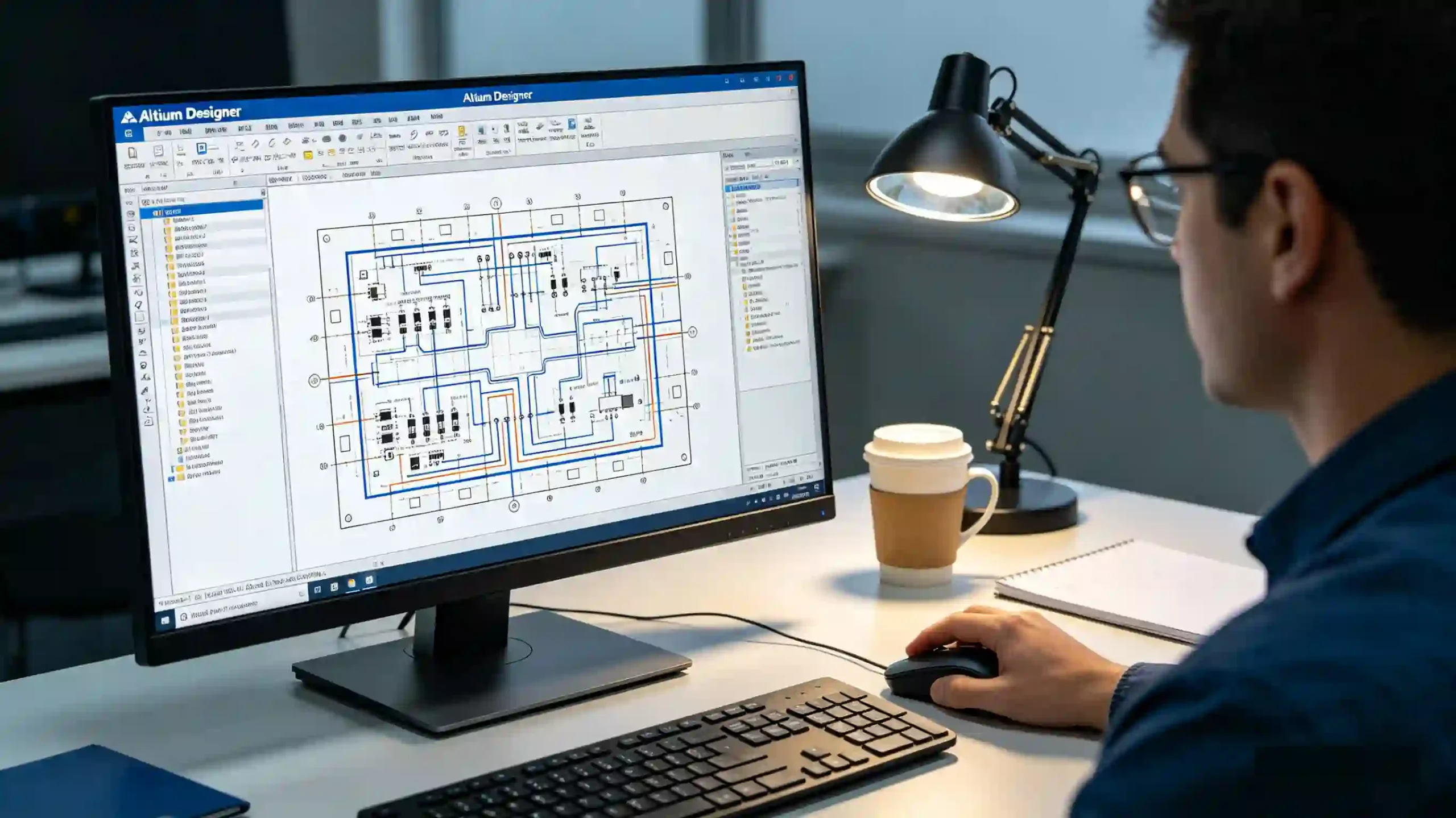
The first step in producing a PCB rapid sample is circuit board design, which lays the foundation for the entire sample production process. R&D engineers use professional EDA (Electronic Design Automation) software to design the circuit board, including determining the board size, component layout, wiring path, and solder pad distribution. Common EDA software includes Altium Designer, AutoCAD, KiCad, and Eagle, each with its own advantages in different scenarios—Altium Designer is widely used for complex multi-layer board design, while KiCad is popular among startups and hobbyists for its open-source and free features.
During the design process, engineers need to consider not only the functional requirements of the circuit but also the manufacturability of the PCB rapid sample, such as avoiding excessive wiring density, ensuring reasonable spacing between components, and complying with industry standards. This stage is critical because any design flaw will be amplified in subsequent links, so it is recommended to conduct preliminary design reviews before submitting the design file to the manufacturer.
2. PCB Rapid Prototyping
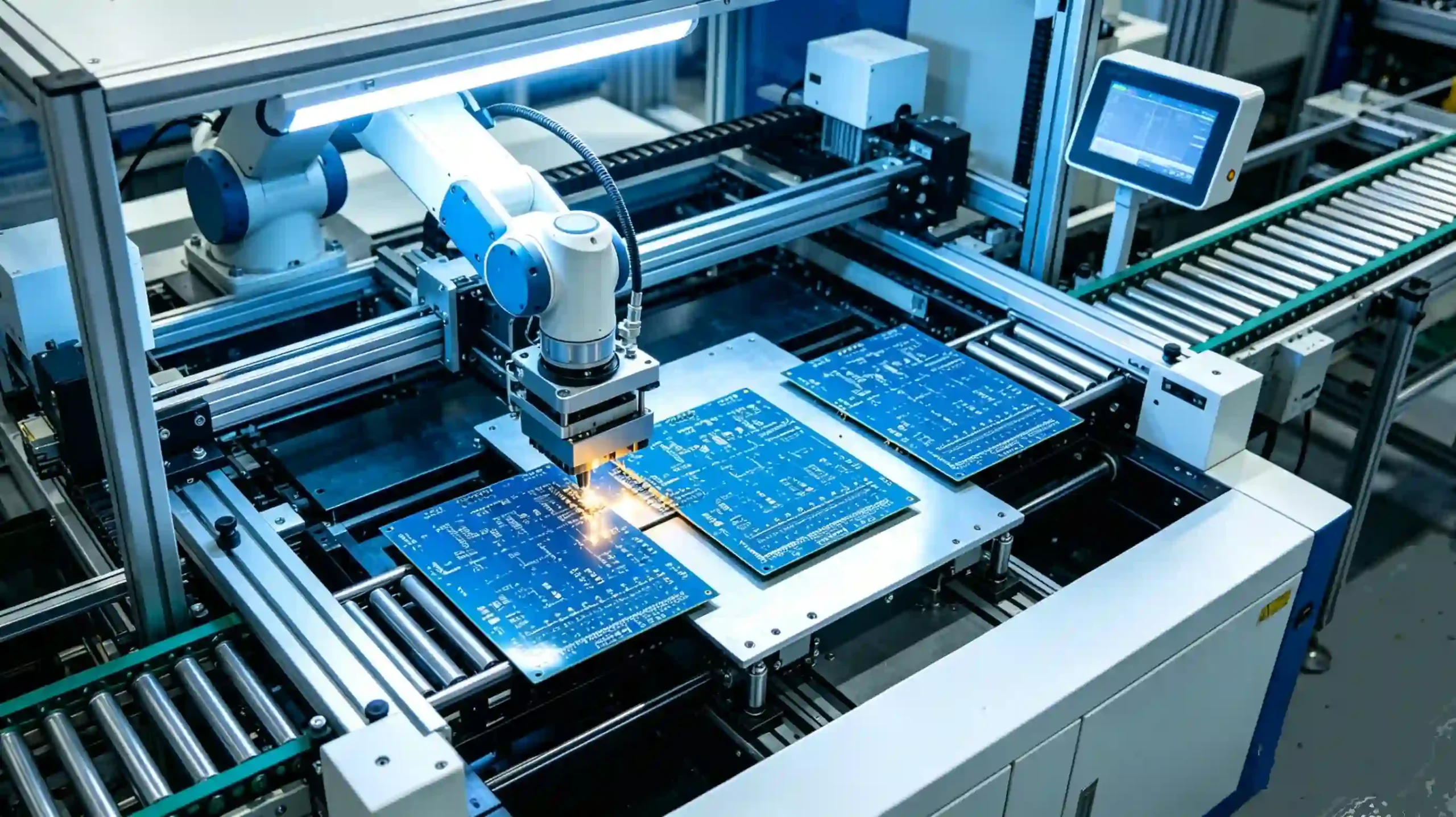
After completing the circuit design, the next step is to send the design file (usually in Gerber format, the standard format for PCB manufacturing) to a professional PCB manufacturer for rapid prototyping. PCB rapid sample manufacturing adopts optimized production processes and advanced equipment, which can significantly shorten the production cycle compared with traditional prototyping. Manufacturers usually offer three types of prototyping services to meet different urgent needs: regular prototyping (3-7 working days), rapid prototyping (1-3 working days), and expedited prototyping (24-48 hours), allowing customers to choose according to their project schedules.
During the prototyping process, manufacturers will conduct strict quality control, including checking the accuracy of the board size, the smoothness of the wiring, and the integrity of the solder pads, to ensure that the PCB rapid sample meets the design requirements. For complex multi-layer boards or special process requirements (such as blind buried holes, gold plating), manufacturers will also provide professional technical support to ensure the feasibility of the sample.
3. Component Procurement
While the PCB rapid sample is being manufactured, the R&D team needs to purchase the required electronic components according to the design file. Common components include resistors, capacitors, diodes, triodes, integrated circuits (ICs), connectors, and sensors. The procurement process requires strict confirmation of the component model, specification, and quantity to avoid mismatches that affect the assembly and testing of the PCB rapid sample.
To speed up the procurement process, many enterprises choose to cooperate with professional electronic component suppliers who can provide fast delivery services for small-batch components. In addition, for special or rare components, it is recommended to reserve a certain amount of inventory in advance to avoid delaying the progress of the PCB rapid sample project.
4. BOM (Bill of Materials) Creation
The Bill of Materials (BOM) is a detailed list of all components required for the PCB rapid sample, which is the core basis for component procurement, assembly, and cost control. The BOM should include detailed information such as component model, specification, quantity, manufacturer, and packaging type, ensuring that each component can be accurately identified and obtained.
Creating a standardized BOM can avoid confusion during the assembly process, reduce the risk of component missing or wrong installation, and also help the R&D team control the cost of the PCB rapid sample. Many EDA software can automatically generate BOM files based on the circuit design, which can be further edited and optimized according to actual needs.
5. Assembly
After obtaining the PCB rapid sample and all required components, the next step is assembly. Assembly is the process of soldering the components to the corresponding positions on the PCB according to the design requirements and BOM list. There are two main assembly methods: manual assembly and automated SMT (Surface Mount Technology) assembly. Manual assembly is suitable for small-batch PCB rapid samples with simple component layouts, while SMT assembly is more efficient and accurate, suitable for samples with dense components or complex layouts.
During the assembly process, it is necessary to pay attention to the soldering temperature and time to avoid damage to the components or the PCB. After assembly, a preliminary visual inspection should be conducted to check for missing soldering, false soldering, or component misalignment, ensuring the basic quality of the assembled PCB rapid sample.
6. Debugging and Testing
Debugging and testing are the core links of PCB rapid sample verification, aiming to confirm whether the functional and performance indicators of the sample meet the design requirements. The testing content includes functional testing, performance testing, and reliability testing. Functional testing verifies whether each module of the circuit works normally, such as signal transmission, power supply stability, and component coordination; performance testing focuses on indicators such as operating speed, power consumption, and temperature resistance; reliability testing simulates the actual use environment to test the service life and stability of the PCB rapid sample.
If problems are found during the testing process, the R&D team needs to analyze the cause, adjust the circuit design or component parameters, and then re-produce the PCB rapid sample for re-testing until all indicators meet the requirements. This iterative process is the key to improving the success rate of product R&D and avoiding risks in mass production.
7. Appearance Packaging
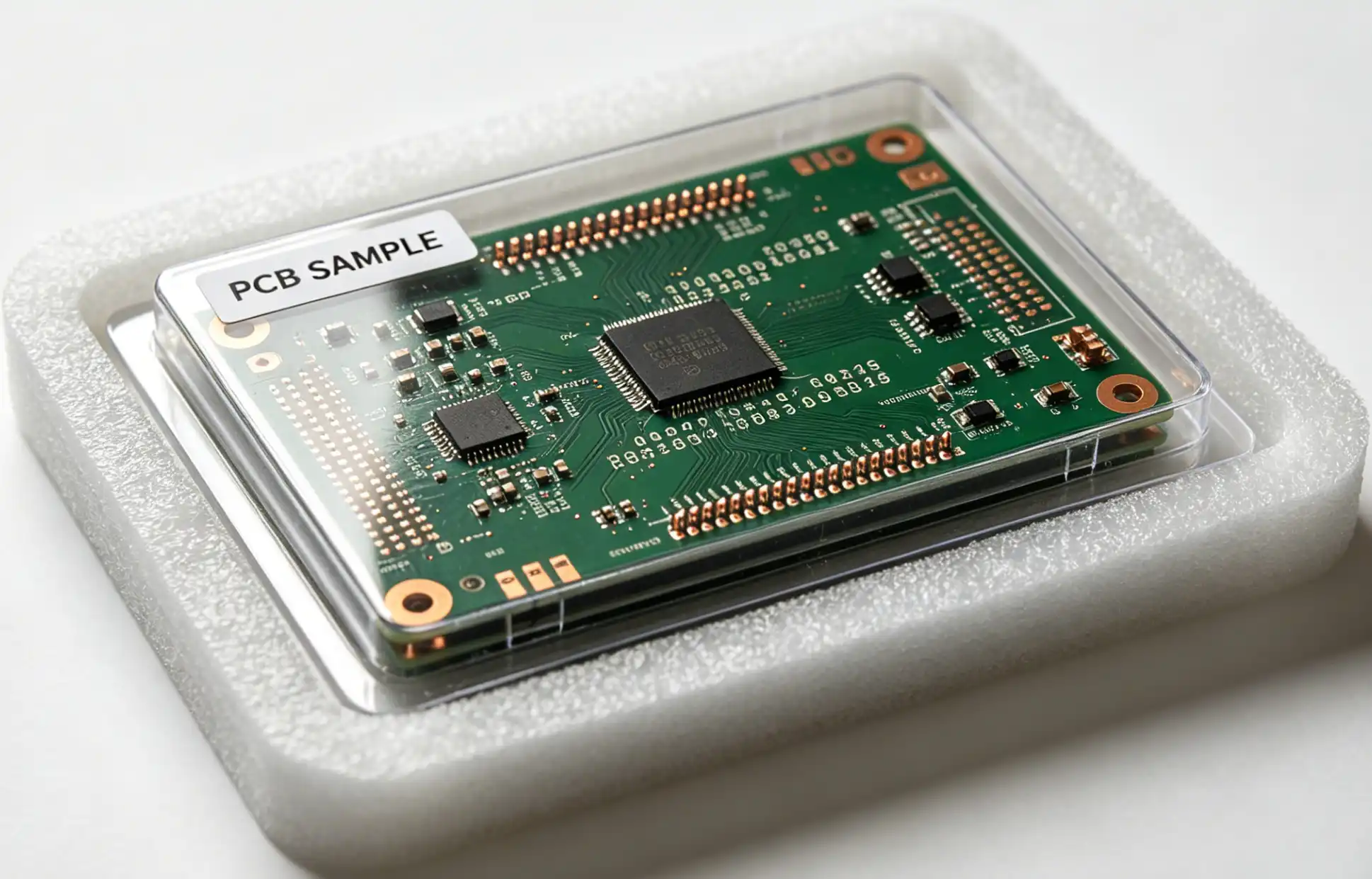
After the PCB rapid sample passes all debugging and testing, the final step is appearance packaging. The packaging purpose is to protect the sample from physical damage, dust, and moisture during storage and transportation, and also to facilitate identification and management. Common packaging methods include anti-static bags, bubble bags, and cartons, and for samples that need to be displayed or delivered to customers, additional packaging such as shells, panels, and nameplates can be added to improve the professionalism and appearance of the sample.
II.The Core Roles of PCB Rapid Sample in Electronics R&D
PCB rapid sample plays an irreplaceable role in the R&D and production of electronic products, which can be summarized into four key aspects. It not only solves the pain points of long R&D cycles and high risks but also provides strong support for the rapid iteration of products.
1. Design Verification
The most important role of PCB rapid sample is to verify the correctness and feasibility of the circuit board design. In the actual mass production process, if there are design flaws in the circuit board, such as unreasonable wiring, wrong component layout, or mismatched solder pad sizes, it will take a lot of time and cost to troubleshoot and repair, and even lead to the scrapping of the entire batch of products. By producing a PCB rapid sample, the R&D team can find and solve these design problems in advance, avoid risks and losses in mass production, and ensure that the design plan is feasible and reliable.
2. Functional Testing
Many functional characteristics of electronic products cannot be fully simulated by software. Only through actual physical testing can we accurately verify whether the circuit board meets the design requirements. For example, the signal interference between different modules, the stability of the power supply system, and the compatibility between components can only be truly reflected in the actual operation of the PCB rapid sample. By conducting functional testing on the sample, the R&D team can find potential functional problems, optimize the design scheme, and ensure that the final product can work stably and reliably.
3. Appearance Confirmation
In addition to functional and performance indicators, the appearance of the circuit board is also an important part of product design, especially for consumer electronic products. The appearance of the PCB includes the board size, color, solder pad finish, and the layout of components. If the appearance does not meet the requirements, it may affect the assembly of the product shell, the overall aesthetics, and even the user experience. By producing a PCB rapid sample, the R&D team can confirm the appearance of the circuit board in advance, adjust the design of the appearance details in a timely manner, and avoid the waste and loss caused by rework due to unqualified appearance in mass production.
4. Alleviating Delivery Pressure
In the electronics industry, the delivery cycle is often a key factor affecting customer cooperation. Many customers need to launch new products in a short time to seize market opportunities, which puts great delivery pressure on manufacturers. PCB rapid sample can significantly shorten the product R&D cycle by accelerating the design verification and testing process, allowing manufacturers to start mass production earlier and complete the delivery task on time. At the same time, the early resolution of design problems also reduces the rework time in mass production, further alleviating the delivery pressure and improving customer satisfaction.
III.The Unique Advantages of PCB Rapid Sample
Compared with traditional prototyping and direct mass production, PCB rapid sample has many obvious advantages, which make it widely used in the electronics industry. These advantages not only help enterprises save costs and improve efficiency but also lay a solid foundation for the success of product R&D.
1. Shortening Product Design and R&D Cycle
The biggest advantage of PCB rapid sample is its “speed”. Traditional prototyping usually takes 10-15 working days, while PCB rapid sample can be completed in 1-7 working days, and even in 24-48 hours for expedited services. This rapid production cycle allows the R&D team to quickly verify the design scheme, iterate the product design in a short time, and accelerate the process from design concept to market launch. For electronic products with a short life cycle, this advantage can directly determine the market competitiveness of the product.
2. Improving R&D Efficiency and Success Rate
PCB rapid sample allows the R&D team to find and solve design problems in the early stage of R&D, avoiding the situation where a large number of problems are found in the later stage of mass production, which greatly improves the R&D efficiency. At the same time, through repeated testing and optimization of the sample, the design scheme is continuously improved, and the success rate of product R&D is significantly improved. According to industry data, enterprises that use PCB rapid sample technology have a product R&D success rate that is 30%-50% higher than those that do not, and the R&D efficiency is increased by 40% on average.
3. Reducing R&D and Production Costs
Although PCB rapid sample requires a certain amount of prototyping and component costs, it can avoid the huge losses caused by design errors in mass production. For example, if a design flaw is not found in advance, the scrapping of a batch of PCBs may cost tens of thousands or even hundreds of thousands of yuan. PCB rapid sample only produces a small batch of samples (usually 1-10 pieces), which has low cost, but can effectively avoid the waste of raw materials and labor costs in mass production, and ultimately reduce the overall R&D and production costs of the product.
4. Improving Product Quality
Through the debugging and testing of PCB rapid sample, the R&D team can find and solve potential quality problems in advance, such as component mismatch, signal interference, and poor soldering, which avoids the generation of defective products in mass production. At the same time, the optimization of the design scheme based on the sample also improves the stability and reliability of the product, enhances the product quality, and helps enterprises establish a good brand image.
Conclusion
PCB rapid sample is a key technology that promotes the rapid development of the electronics industry. It not only shortens the product R&D cycle, improves efficiency and quality, but also reduces costs and risks, providing strong support for enterprises to innovate and compete in the market. By mastering the production process, core roles, and advantages of PCB rapid sample, and solving common problems in practice, you can fully leverage this technology to accelerate the R&D and launch of electronic products, and gain a greater competitive advantage in the industry.
FAQ:PCB Rapid Sample
Below are the three most common questions about PCB rapid sample, providing professional and practical answers to help you solve potential doubts in the process of using PCB rapid sample.
Q1: How long does it usually take to produce a PCB rapid sample?
A: The production cycle of PCB rapid sample depends on the complexity of the circuit board, the number of layers, and the prototyping service type. Generally speaking, regular PCB rapid sample takes 3-7 working days, rapid prototyping takes 1-3 working days, and expedited prototyping can be completed in 24-48 hours. For simple single-layer or double-layer boards with few components, the cycle can be shorter; for complex multi-layer boards (more than 8 layers) or special processes (such as blind buried holes, gold plating), the cycle may be appropriately extended by 1-2 days.
Q2: What files do I need to provide to the manufacturer to produce a PCB rapid sample?
A: The core files required for PCB rapid sample production are Gerber files, which include all design information of the circuit board, such as wiring, solder pads, and holes. In addition, it is recommended to provide the BOM list (Bill of Materials) and component placement diagram to facilitate the manufacturer to confirm the component layout and provide assembly services if needed. If there are special process requirements (such as surface finish, board thickness, or impedance control), you also need to provide a detailed technical specification document to ensure that the sample meets your design requirements.
Q3: Can the PCB rapid sample be directly used for mass production?
A: No, the PCB rapid sample is mainly used for design verification, functional testing, and appearance confirmation in the R&D stage, and cannot be directly used for mass production. After the PCB rapid sample passes all tests and the design scheme is finalized, the manufacturer needs to adjust the production process according to the mass production requirements, such as optimizing the board making process, improving the assembly efficiency, and conducting mass production quality control. However, the design scheme verified by the PCB rapid sample can be directly used as the basis for mass production, which greatly shortens the mass production preparation cycle.