P3.91 Pad Board
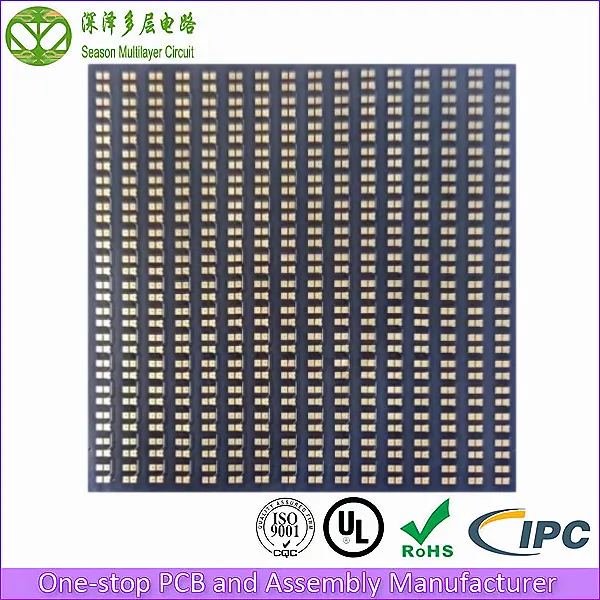
LED Pad Board
Layer: 2L
Material: PI
Board Thickness: 0.1mm
Min Via Diameter: 0.2mm
Copper Thickness: 18μm
Trace Width/Spacing: 5/5mil
Surface Finish: ENIG1U”
P3.91 pad board, double-sided FPC, the board uses Shengyi glue-free rolled copper. The product is mainly used for the maintenance of LED rental screen lamp surfaces.
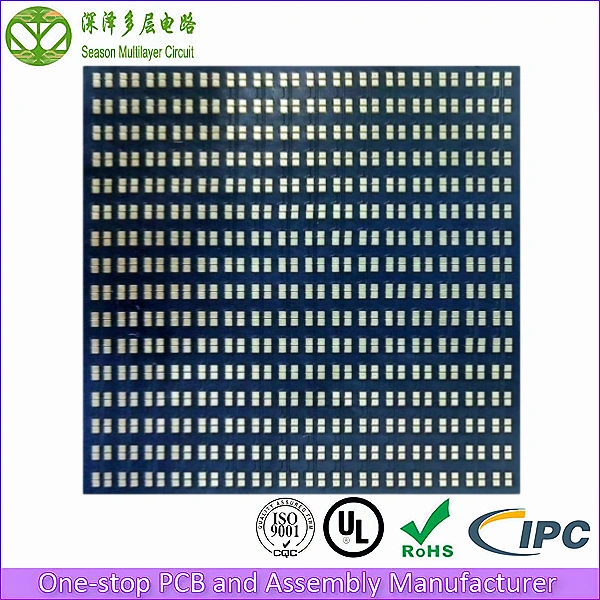
P3.91 Pad Board: The Ultimate Guide to LED Display Repair FPC Board
In the fast-paced world of LED display maintenance, having the right tools can make all the difference between a quick, cost-effective repair and a time-consuming, expensive replacement. The P3.91 Pad Board stands out as a game-changer in this field—a specialized Flexible Printed Circuit (FPC) board designed exclusively for LED display repair. As a popular choice for manufacturing high-demand LED repair pad paper, the P3.91 Pad Board combines portability, eco-friendliness, and ease of processing, making it an indispensable tool for maintenance professionals across industries. This comprehensive guide will explore everything you need to know about the P3.91 Pad Board, from its core definition and key features to its practical applications and frequently asked questions, helping you understand why it’s the top choice for LED display repair.
I.What is the P3.91 Pad Board (LED Display Repair Pad Paper)?
The P3.91 Pad Board is a cutting-edge FPC board specifically engineered for repairing LED displays, often used to create LED repair pad paper—a essential consumable for quick and efficient maintenance. Unlike traditional rigid circuit boards, this flexible solution is crafted from high-quality Polyimide (PI) material, which is not only lightweight and eco-friendly but also boasts excellent insulating and high-temperature resistance properties. At its core, the P3.91 Pad Board features a conductive metal film on its surface, allowing it to seamlessly replace damaged or worn-out LED display pads, restoring functionality without the need for full module replacement.
One of the most notable advantages of the P3.91 Pad Board is its customizability. Every aspect, from color and size to thickness, can be tailored to match the specific requirements of different LED display models and repair scenarios. Whether you’re dealing with a small indoor LED screen or a large outdoor display, the P3.91 Pad Board can be customized to fit perfectly, ensuring a precise and reliable repair. Its ultra-thin design (typically around 0.1mm thick) also ensures that repaired areas remain flush with the rest of the screen, maintaining visual uniformity and preventing uneven lighting issues.
II.Key Features and Advantages of the P3.91 Pad Board
The P3.91 Pad Board has gained widespread popularity among LED maintenance professionals due to its unique combination of features and benefits, which address the most common pain points in LED display repair. Below are its core advantages:
1.Eco-Friendly and Lightweight
Made from recyclable, environmentally friendly materials—including a paper-based substrate and PI material—the P3.91 Pad Board minimizes environmental impact while being incredibly lightweight. This portability makes it easy for technicians to carry multiple boards to job sites, reducing the burden of heavy equipment and ensuring flexibility during repairs. The use of recyclable materials also aligns with global sustainability goals, making it a responsible choice for businesses and maintenance teams.
2.Rapid Repair Capability
Time is critical in LED display repair, especially for commercial or public displays where downtime translates to lost revenue or reduced engagement. The P3.91 Pad Board’s customizability allows it to be tailored to specific display models in advance, enabling technicians to quickly locate faults and complete repairs in a fraction of the time required for traditional methods. Whether dealing with a single damaged LED bulb or a larger circuit issue, the P3.91 Pad Board streamlines the repair process, minimizing downtime and maximizing productivity.
3.Efficient and Precise Soldering
The conductive metal film on the surface of the P3.91 Pad Board ensures fast, accurate soldering between the circuit board and LED bulbs. This film is designed to facilitate optimal heat transfer, reducing the risk of overheating or damage to sensitive components. The board’s structure—featuring two layers with through-holes for conduction—ensures a stable connection between the PCB signal and the LED bulb, guaranteeing reliable performance after repair. Additionally, high-quality versions often use a gold-plating process to enhance oxidation resistance, ensuring long-lasting solder joints.
4.High Stability and Durability
LED displays operate in a wide range of environments, from hot, humid outdoor settings to controlled indoor spaces. The P3.91 Pad Board is engineered to withstand these conditions, with excellent insulation and high-temperature resistance that prevents deformation or failure during soldering and long-term use. This stability ensures that repaired displays maintain consistent performance, even in harsh environments, reducing the need for repeated repairs and extending the lifespan of the LED screen.
5.Strong Customizability
No two LED display repairs are the same, which is why the P3.91 Pad Board offers exceptional customizability. It can be tailored to different sizes, shapes, and thicknesses to fit various LED display models, including those with different pixel pitches and bulb sizes. Whether you’re repairing a P3.91 indoor display, outdoor billboard, or vehicle-mounted screen, the P3.91 Pad Board can be customized to match the exact specifications of the damaged area, ensuring a perfect fit and reliable repair.
6.Cost-Effective Solution
Compared to traditional LED pad replacements or full module repairs, the P3.91 Pad Board is significantly more cost-effective. It eliminates the need to replace entire LED modules, reducing material costs and labor time. For businesses and maintenance teams, this translates to lower repair expenses and higher profit margins, while still delivering high-quality, long-lasting results. Its affordability and efficiency make it an ideal choice for both small-scale repairs and large-scale maintenance projects.
III.Applications of the P3.91 Pad Board
The versatility of the P3.91 Pad Board makes it suitable for a wide range of LED display repair scenarios, spanning indoor, outdoor, and specialized applications. Below are the most common use cases:
1.Outdoor LED Display Repair
Outdoor LED displays—such as billboards, stadium screens, and outdoor concert displays—are exposed to harsh weather conditions, including rain, dust, and extreme temperatures, which often lead to bulb damage or circuit failures. The P3.91 Pad Board’s durability and weather-resistant properties make it ideal for repairing these displays, allowing technicians to quickly fix damaged areas without taking the entire screen offline for extended periods. Its high-temperature resistance also ensures that repairs hold up in direct sunlight and hot environments.
2.Indoor LED Display Repair
Indoor LED displays, including those used in shopping malls, conference rooms, control rooms, and retail stores, are prone to wear and tear from regular use, accidental damage, or poor installation. The P3.91 Pad Board’s lightweight design and precise customizability make it perfect for repairing these displays, ensuring minimal disruption to indoor spaces and restoring optimal lighting and visual performance. Its thin profile also ensures that repaired areas blend seamlessly with the rest of the screen, maintaining a professional appearance.
3.Automotive LED Display Repair
LED displays are increasingly used in vehicles, including car dashboards, infotainment systems, and exterior lighting. These displays are subject to vibration, temperature fluctuations, and mechanical stress, which can cause pad damage over time. The P3.91 Pad Board’s flexibility and durability make it suitable for automotive repairs, as it can withstand vibration and extreme temperatures while providing a reliable connection. Repairing with the P3.91 Pad Board improves the functionality of automotive LED displays, enhancing driving safety and user experience.
4.LED Video Wall Repair
LED video walls in commercial spaces, airports, hotels, and event venues are large, complex systems where even a small damaged area can impact the entire display. The P3.91 Pad Board’s customizability allows technicians to repair individual sections of the video wall without replacing entire panels, reducing downtime and repair costs. Its efficient soldering capability ensures that repairs are quick and reliable, restoring the video wall’s visual impact and commercial value efficiently.
5.Cinema LED Display Repair
Cinema LED displays require exceptional visual clarity and performance, as any fault can ruin the Viewing experience. The P3.91 Pad Board’s precise design and high stability make it ideal for repairing these high-end displays, ensuring that repaired areas maintain the same brightness, contrast, and color accuracy as the rest of the screen. This helps cinemas minimize downtime and deliver a consistent, immersive Viewing experience for audiences.
Conclusion
The P3.91 Pad Board has revolutionized the LED display repair industry, offering a flexible, cost-effective, and reliable solution for maintaining a wide range of LED displays. Its unique combination of eco-friendliness, portability, customizability, and durability addresses the key challenges faced by maintenance professionals, making it the go-to choice for quick and efficient repairs. Whether you’re repairing an outdoor billboard, indoor video wall, automotive display, or cinema screen, the P3.91 Pad Board delivers consistent, high-quality results that reduce downtime and repair costs.
As LED displays continue to grow in popularity across industries, the demand for reliable repair solutions like the P3.91 Pad Board will only increase. Its ability to adapt to different repair scenarios, combined with its cost-effectiveness and performance, makes it an essential tool for any maintenance team looking to streamline their operations and deliver exceptional results. Invest in the P3.91 Pad Board today and experience the difference it can make in your LED display repair processes.
FAQ : P3.91 Pad Board
1. What is the difference between the P3.91 Pad Board and traditional LED repair pads?
The P3.91 Pad Board is a flexible FPC board made from lightweight, eco-friendly PI material, while traditional LED repair pads are often rigid and less customizable. Unlike traditional pads, the P3.91 Pad Board can be tailored to specific display sizes, shapes, and thicknesses, offers faster soldering, better high-temperature resistance, and is more cost-effective. Its ultra-thin design also ensures repaired areas remain flush with the screen, maintaining visual uniformity—something traditional rigid pads often fail to achieve.
2. Can the P3.91 Pad Board be used for all types of LED displays?
While the P3.91 Pad Board is primarily designed for P3.91 pixel pitch LED displays (a popular size for indoor and outdoor applications), its high customizability allows it to be adapted for other LED display models with different pixel pitches and bulb sizes (such as 1010, 0808, or 2121 bulbs). It is suitable for indoor, outdoor, automotive, video wall, and cinema LED displays, making it a versatile solution for most LED repair needs. However, it’s always recommended to confirm the display’s specifications (pixel pitch, bulb size) before customizing the board to ensure a perfect fit.
3. How to ensure a successful repair with the P3.91 Pad Board?
To ensure a successful repair, follow these key steps: First, confirm the exact specifications of the damaged LED display (pixel pitch, bulb size, and damaged area dimensions) to customize the P3.91 Pad Board accordingly. Second, clean the damaged area thoroughly to remove dust, debris, or old solder, ensuring a clean surface for soldering. Third, align the P3.91 Pad Board precisely with the damaged circuit, using a small amount of solder or flux to secure it temporarily. Finally, use a soldering iron or hot air gun to solder the board to the LED bulb and PCB, ensuring a stable connection. Additionally, always check the board’s polarity to match the original circuit, as incorrect polarity can cause bulb failure. Following these steps will ensure a reliable, long-lasting repair.