
Key Requirements for High-Quality PCB Prototyping
In the fast-evolving electronics industry, PCB prototyping serves as a foundational step for new product development, circuit verification, and technical iteration. Printed Circuit Boards act as the core carrier that connects and transmits signals between various electronic components, directly determining the stability and performance of electronic devices. Whether for HDI rapid prototyping or conventional circuit board trial production, standardized operation and strict requirement compliance are essential to avoid design flaws, production delays, and unnecessary cost losses. To help engineers, developers, and electronic industry beginners complete efficient and defect-free PCB prototyping, this article breaks down the core requirements and critical guidelines throughout the entire workflow.
I. Pre-Production Preparation for PCB Prototyping
Adequate preparation is the first guarantee for smooth PCB prototyping. Comprehensive planning in the early stage can effectively reduce design revisions and improve the overall yield of prototype boards.
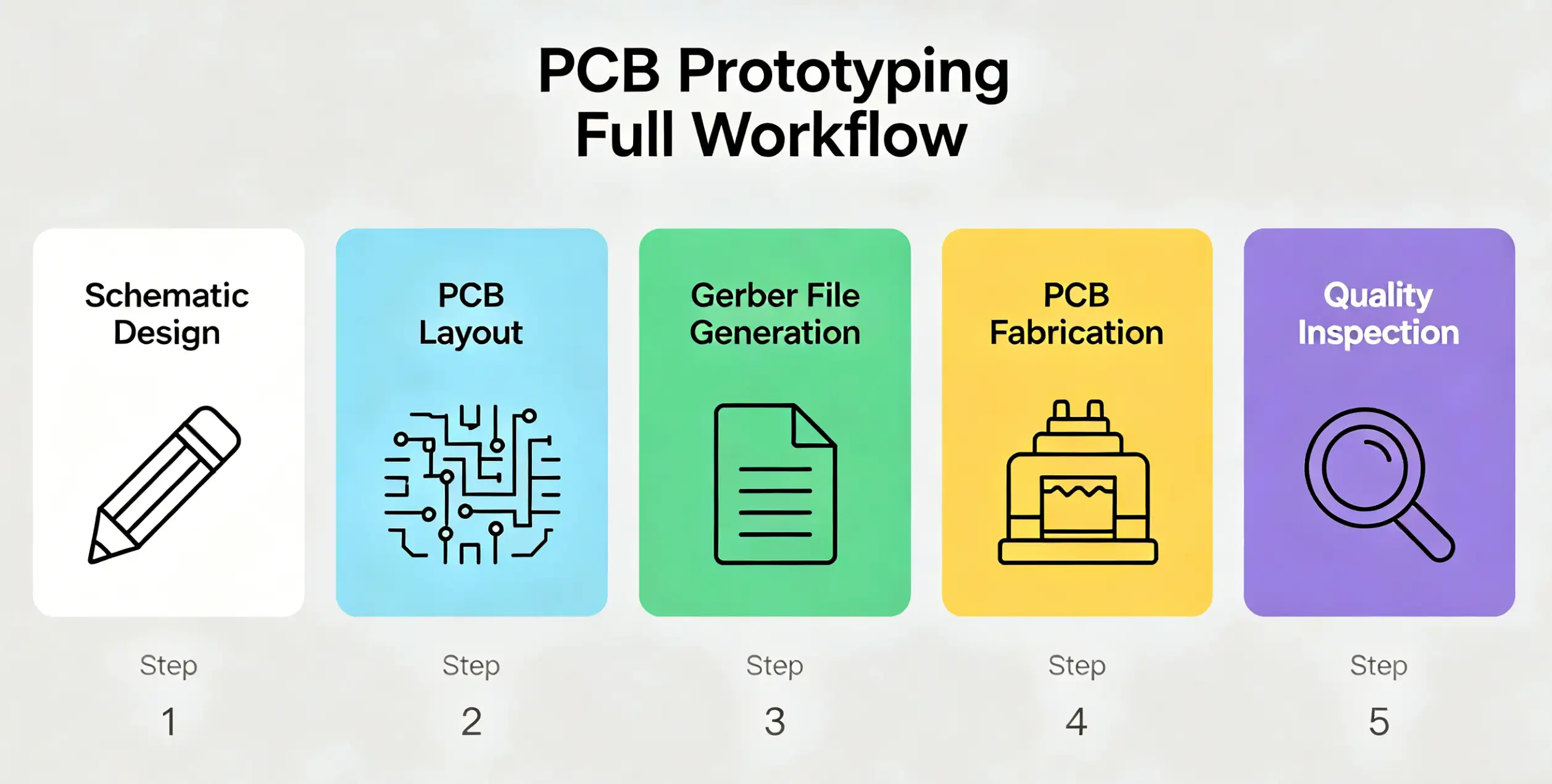
1.Clarify Detailed Design Specifications
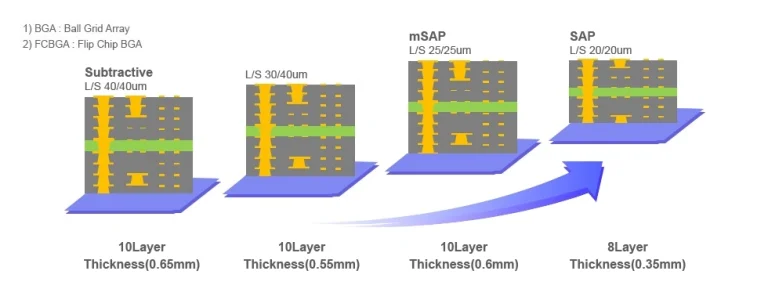
Before launching PCB prototype production, it is necessary to refine all design parameters in advance. Core details include circuit board dimensions, layer structure design, routing schemes, component layout planning, hole size standards, and impedance control needs. For high-precision scenarios such as HDI boards, ultra-fine line width and microvia design requirements also need to be clearly marked. Clear design standards ensure that the finished PCB prototype fully matches actual application demands and lays a reliable foundation for subsequent mass production conversion.
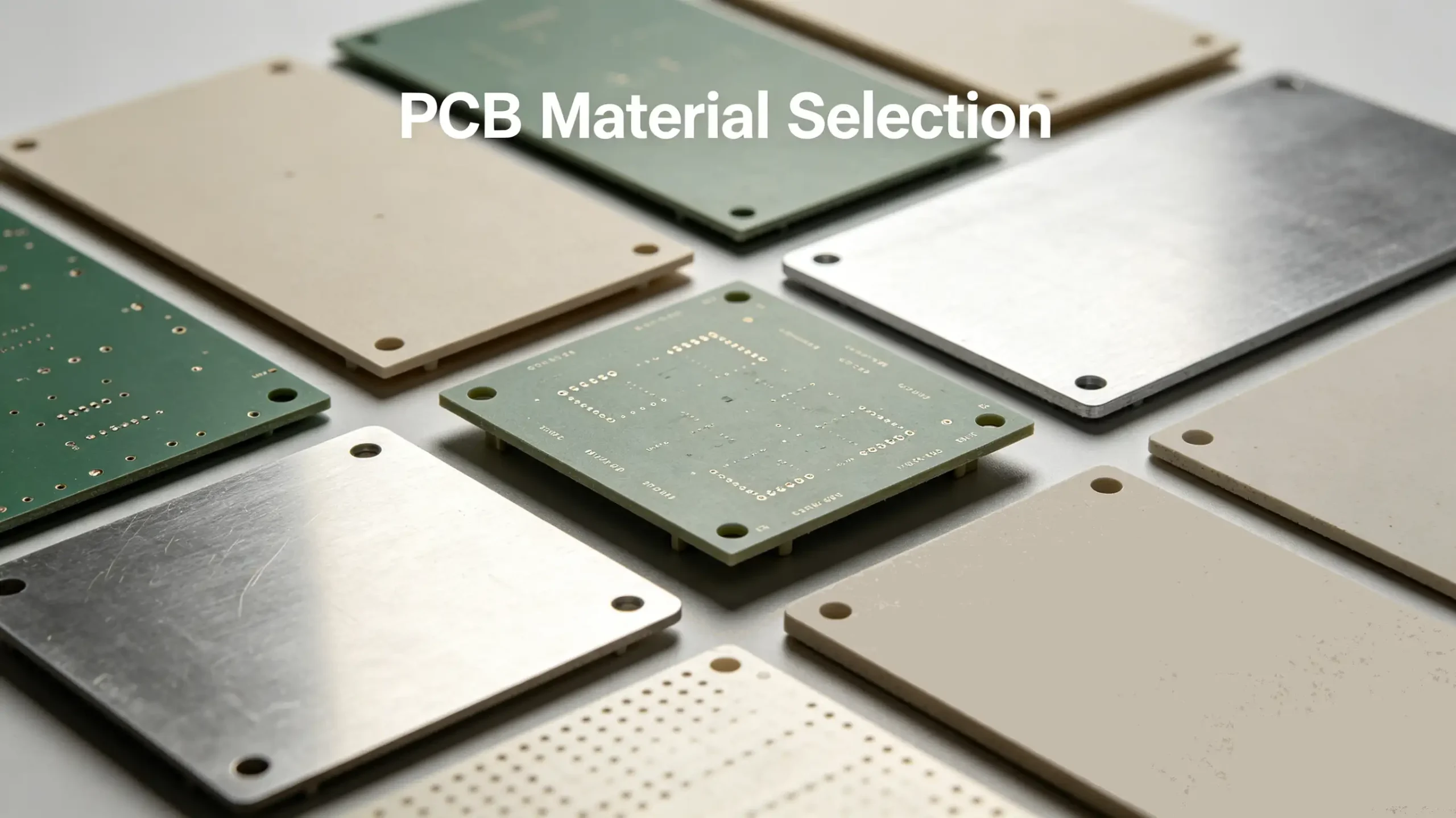
2.Select Suitable Substrate Materials
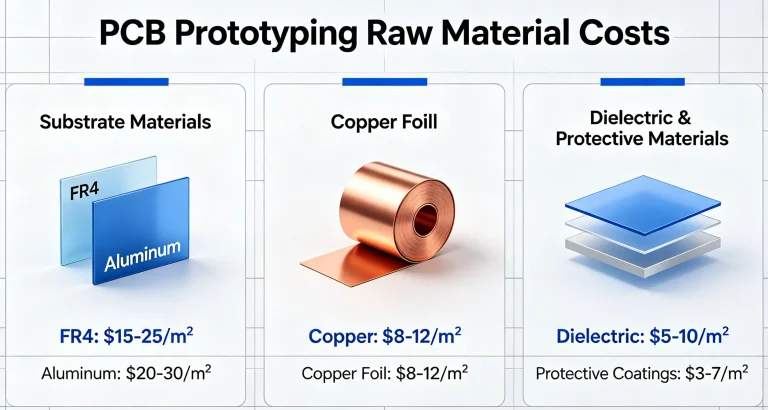
Material selection directly affects the electrical performance, heat resistance, and service life of PCB prototypes. FR-4 substrate remains the mainstream choice for most civilian and industrial electronic products due to its balanced insulation, stability, and cost performance. For special application scenarios, customized materials are required: aluminum substrates for high-heat-dissipation power equipment, ceramic substrates for high-temperature and high-frequency environments, and flexible substrates for wearable electronic devices. Engineers must select materials based on working conditions to prevent performance degradation caused by material mismatch.
3.Master Core Production Processes
Different manufacturing processes bring distinct differences in PCB prototype quality. It is vital to understand the characteristics, advantages, and limitations of mainstream processes, including surface treatment (HASL, ENIG, OSP), solder mask color, and drilling technology. Combining design goals with process feasibility can optimize structural details, avoid process bottlenecks, and make the design more manufacturable.
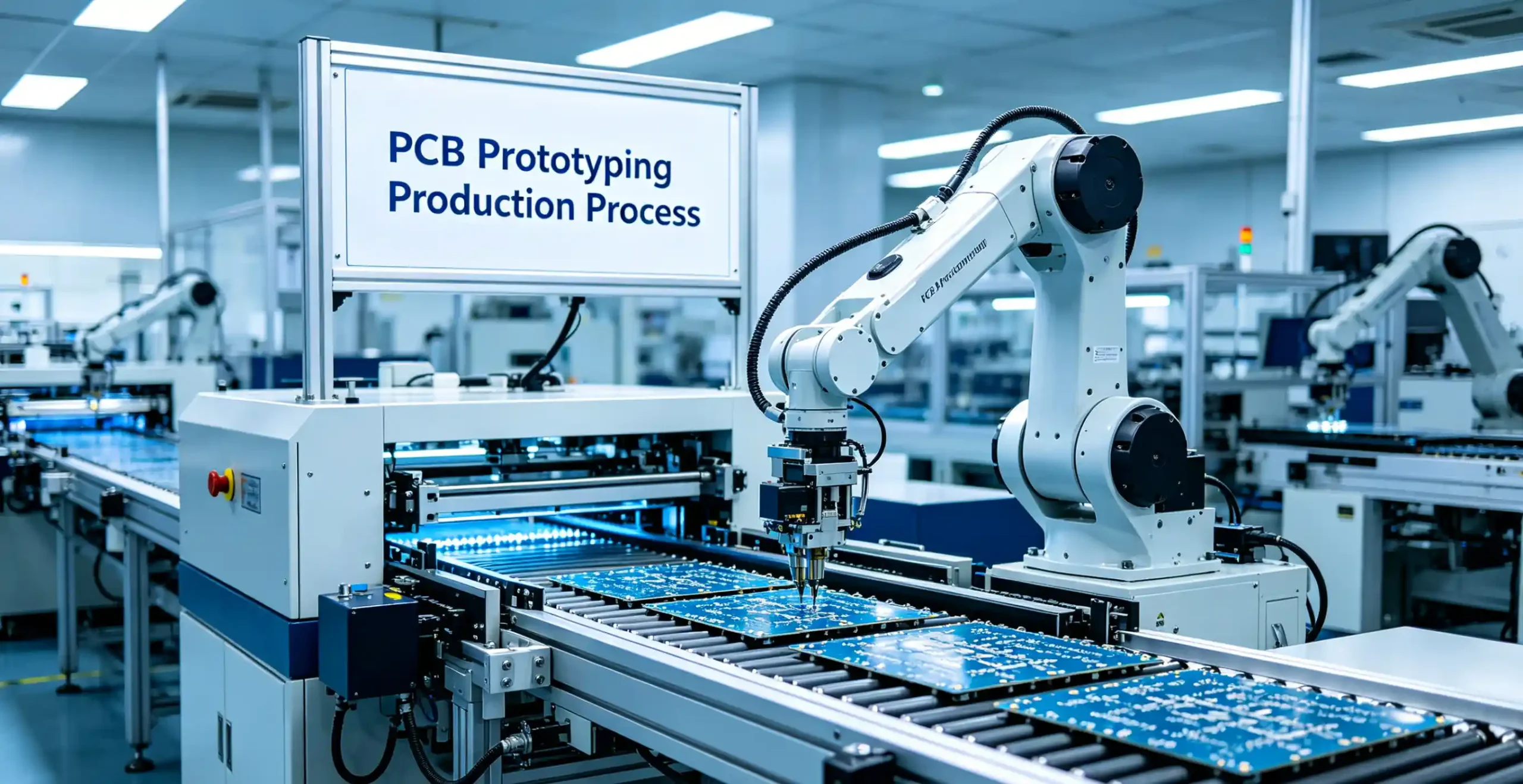
4.Screen and Confirm a Reliable Supplier
Choosing a qualified PCB prototype manufacturer is a key prerequisite for quality assurance. In the early communication stage, fully deliver design documents, special process requirements, and delivery cycles to the supplier, ensuring accurate information docking and avoiding misunderstandings that affect prototype quality.
II. Core Criteria for Choosing a PCB Prototyping Supplier
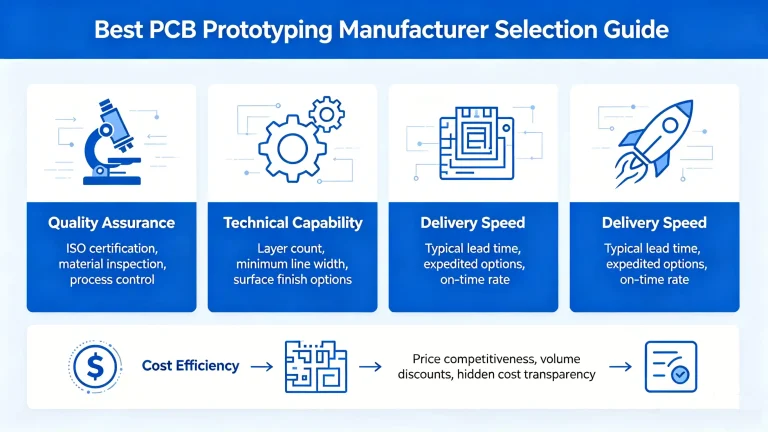
The capability of the manufacturer determines the quality, delivery speed, and cost control of PCB prototyping. When selecting a partner, focus on the following five core indicators:
1.Industry Reputation and Credibility
A reputable PCB prototyping supplier usually has rich industry experience and positive customer feedback. You can evaluate its credibility by checking official qualification certificates, customer reviews, and industry word-of-mouth. Manufacturers with a good market reputation often have standardized production management and stable service capabilities.
2.Strict Quality Control System
Complete quality management runs through raw material procurement, production processing, finished product testing, and other links. Professional suppliers will implement strict inspections for each production process, formulate unified production standards, and effectively control defects such as short circuits, open circuits, and dimensional deviations of PCB prototypes.
3.Professional Technical Support
PCB prototyping often involves complex design and process problems. A manufacturer with a professional technical team can provide one-stop services such as design review, DFM optimization, and technical consultation. Timely technical support can quickly solve design conflicts and process difficulties, ensuring the project progresses on schedule.
4.Stable Delivery Capacity
For product research and development teams, the delivery cycle of PCB prototypes is crucial for the overall R&D progress. It is necessary to confirm the manufacturer’s production capacity, rapid response mechanism, and emergency delivery solutions in advance. Clear delivery time agreements help arrange subsequent component welding, functional testing, and other work reasonably.
5.Reasonable Cost Performance
On the premise of ensuring quality and service, cost control is also an important consideration for PCB prototyping. A high-quality supplier will provide transparent quotations, no hidden charges, and customized cost-saving solutions according to order quantity and process requirements, helping enterprises reduce R&D costs.
III. Key On-Site Requirements During PCB Prototyping
In the formal production stage of PCB prototypes, efficient communication and standardized detail control cannot be ignored. Customers need to provide complete and accurate design drawings, Gerber files, and technical specifications to the manufacturer. All special processing needs, including special surface treatment, customized silkscreen content, and edge trimming, should be clearly noted in the technical documents.
During production, focus on controlling core precision indicators: dimensional tolerance, routing accuracy, component positioning consistency, and surface treatment uniformity. Both parties need to maintain real-time communication to adjust details in time for unexpected process problems. Strict process supervision in the production stage can greatly improve the qualification rate of PCB prototypes.
IV. Quality Inspection Standards for Finished PCB Prototypes
After the completion of PCB prototyping, comprehensive quality testing is an indispensable link to verify compliance. The main inspection items are as follows:
- Circuit Precision Inspection: Check routing width, hole position accuracy, and component layout size to ensure all indicators meet design drawings.
- Conductivity Testing: Use professional testing equipment to check circuit connectivity and eliminate short circuits or open circuit failures.
- Insulation Performance Testing: Detect the insulation between lines and layers to prevent leakage and circuit breakdown caused by poor insulation.
- Appearance and Craft Inspection: Check for scratches, solder mask falling off, silkscreen blurriness, and surface treatment defects.
Once unqualified products are found, communicate with the supplier in a timely manner for rework or remaking to ensure the prototype meets testing and use standards.
V. Delivery and Mass Production Conversion of PCB Prototypes
After confirming that the PCB prototype passes all tests and meets design requirements, the project enters the final delivery and mass production preparation stage. Manufacturers need to formulate a reasonable production plan, calibrate production equipment, and verify process parameters to ensure the consistency of mass production products and prototypes.
During this period, maintaining close communication between suppliers and customers helps synchronize production progress, feed back quality data in real time, and adjust production schemes according to customer feedback. Strictly abiding by the delivery time agreement and delivering high-quality products on time can help R&D teams quickly complete performance testing, product iteration, and market promotion.
Conclusion
Standardized requirements run through the whole process of PCB prototyping, from early preparation, supplier selection, and production processing to quality inspection and final delivery. Abiding by these key rules can effectively improve the success rate of prototype production, shorten R&D cycles, and reduce unnecessary costs. Whether you are an electronic design beginner or a professional R&D engineer, mastering these PCB prototyping requirements will help you complete circuit board development work more efficiently and steadily.
FAQ:Key Requirements For PCB Prototyping
Q1: What are the most essential design documents required for PCB prototyping?
A1: The core documents include complete Gerber files, drill files, layer structure instructions, material parameter specifications, and detailed technical requirements for surface treatment. Providing complete files can avoid production errors and accelerate the progress of PCB prototyping.
Q2: Why is FR-4 the most commonly used material for standard PCB prototyping?
A2: FR-4 substrate features excellent insulation performance, stable chemical resistance, good mechanical strength, and cost advantages. It can adapt to most conventional working environments and electronic product needs, making it the preferred material for mainstream PCB prototyping projects.
Q3: How to shorten the lead time of urgent PCB prototyping without sacrificing quality?
A3: First, complete DFM design optimization in advance to reduce process adjustment time. Second, choose a manufacturer with rapid prototyping production lines and clear urgent order processes. Meanwhile, confirm all design and process details at one time to avoid repeated revisions, which can effectively shorten the delivery cycle.