What is Substrate-Like PCB (SLP)? Opportunities, Technology & Future Trends
In the fast-evolving world of electronics, the demand for smaller, more powerful, and highly integrated devices is driving innovation in printed circuit board (PCB) technology. One of the most transformative advancements in this space is the substrate-like PCB (SLP), a next-generation rigid PCB that bridges the gap between traditional high-density interconnect (HDI) boards and semiconductor IC substrates.
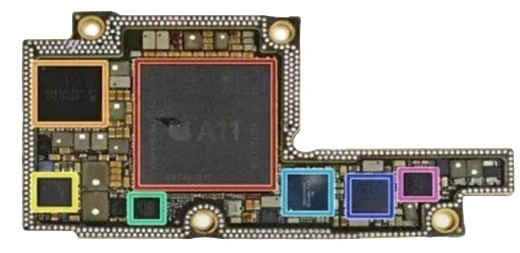
As industries ranging from consumer electronics to automotive and healthcare push for greater miniaturization and performance, substrate-like PCB has emerged as a critical component, redefining how electronic devices are designed and manufactured. This comprehensive guide will break down everything you need to know about SLP, including its definition, key opportunities, core technologies, manufacturing processes, and future trends—helping you understand why this technology is becoming indispensable in modern electronics.
I.What is Substrate-Like PCB (SLP)? Definition & Core Characteristics
Substrate-like PCB, commonly abbreviated as SLP, is a high-end rigid PCB that combines the modularity of traditional PCBs with the precision of semiconductor substrates. Unlike standard PCBs, substrate-like PCB is engineered to deliver ultra-fine line widths and spacing, making it ideal for devices that require high integration in limited space.
To put its capabilities into perspective: traditional HDI boards typically have a line width/line spacing of 40/50 microns, while substrate-like PCB narrows this to 20/35 microns, with advanced implementations achieving minimum line widths/spacings of less than 30 microns—and some cutting-edge models even reaching 15–20 microns.
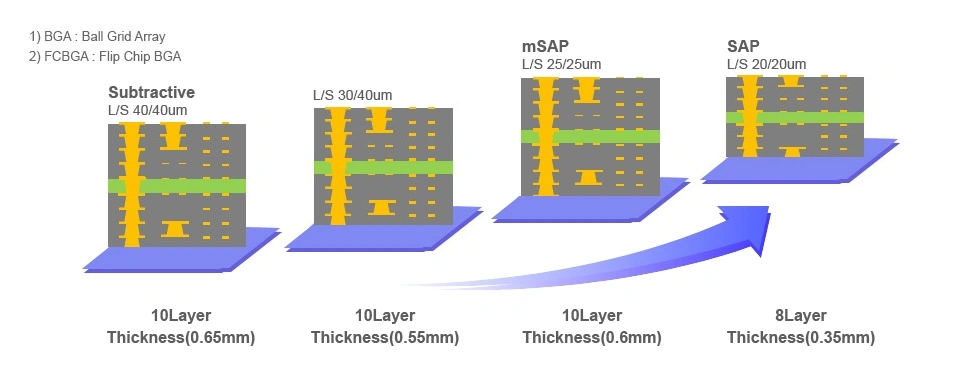
A key distinction of SLP is its position in the electronics ecosystem: it is more advanced than HDI boards but does not meet the strict technical specifications of IC substrates (used for semiconductor packaging). While IC substrates are designed to directly connect bare chips, SLP retains the core function of PCBs—supporting and connecting various active and passive components—thus remaining within the PCB category.
This unique positioning gives SLP a competitive edge: it offers the high density of IC substrates at a lower cost, making it accessible for a wide range of applications. For example, in smartphones, a SLP can accommodate twice as many electronic components as an HDI board of the same size, enabling the sleek, powerful designs we see in modern flagship devices.
Another defining feature of SLP is its compatibility with advanced packaging technologies, such as system-in-package (SIP) and fan-out wafer-level packaging (FOWLP), which further enhances its ability to support high-integration devices. Its hybrid nature—combining PCB modularity with substrate precision—makes it a versatile solution for today’s most demanding electronic applications.
II.Key Opportunities for SLP in Global Markets
The global substrate-like PCB market is experiencing rapid growth, driven by technological advancements and increasing demand across multiple industries. Below are the primary opportunities that are fueling the adoption of substrate-like PCB worldwide:
1. Booming Demand from Consumer Electronics
The consumer electronics industry is the largest driver of substrate-like PCB demand, accounting for nearly 39% of the global market share in 2025. As 5G, artificial intelligence (AI), and the Internet of Things (IoT) continue to evolve, smartphones, wearable devices, and portable electronics are becoming smaller, more powerful, and more feature-rich. These devices require PCBs that can support high component density without sacrificing performance—and SLP is perfectly suited to meet this need.
For instance, over 62% of flagship smartphones launched globally now incorporate SLP structures, thanks to their superior density and 25% thinner profile compared to conventional PCBs. Wearable devices, such as smartwatches and fitness trackers, also rely heavily on SLP for its compact size and high integration, allowing manufacturers to create lightweight, comfortable products without compromising functionality. With global consumer electronics sales projected to grow steadily, the demand for SLP in this sector will remain strong.
2. Expansion in Automotive Electronics
The automotive industry is undergoing a digital transformation, with electric vehicles (EVs), autonomous driving, and in-car infotainment systems driving demand for high-reliability, high-density PCBs. Substrate-like PCB is increasingly being used in automotive electronics due to its exceptional stability, durability, and ability to support complex circuits in harsh environments (such as extreme temperatures and vibration).
Applications include EV battery management systems (BMS), advanced driver-assistance systems (ADAS), and in-car connectivity modules. In the United States alone, the automotive electronics sector uses more than 145 million substrate-like PCB components annually. As the global shift toward EVs accelerates and autonomous driving technology advances, the demand for substrate-like PCB in automotive applications is expected to grow at a rapid pace.
3. Growth in Healthcare and Industrial Applications
Substrate-like PCB is also gaining traction in healthcare and industrial sectors, where reliability and precision are critical. In medical devices—such as portable diagnostic tools, wearable health monitors, and implantable devices—substrate-like PCB’s small size and high integration enable the development of compact, user-friendly products that can deliver accurate data. Industrial applications, including industrial IoT sensors, robotics, and automation equipment, also benefit from substrate-like PCB’s ability to support high-density circuits in harsh industrial environments.
Additionally, the military and aerospace sectors rely on substrate-like PCB for its ruggedness and high performance, using it in communication systems, radar, and other critical equipment that requires reliable operation in extreme conditions. These sectors value substrate-like PCB for its ability to withstand harsh environments while maintaining signal integrity and component stability.
III.Core Technologies of Substrate-Like PCB
The performance of substrate-like PCB is enabled by its advanced core technologies, with a particular focus on compatibility with system-in-package (SIP) encapsulation and ultra-fine line manufacturing. Below is a detailed breakdown of the key technologies that define substrate-like PCB:
1. Compatibility with SIP (System in a Package) Technology
One of the primary drivers of substrate-like PCB demand is its seamless compatibility with SIP (System in a Package) technology—a system-level encapsulation method that integrates multiple functional chips (such as processors, memory, MEMS, and optical devices) into a single package to form a complete system or subsystem. According to the International Technology Roadmap for Semiconductors (ITRS), SIP is emerging as a key trend in the electronics industry, as the development of SOC (System on Chip) has hit technical bottlenecks due to the increasing difficulty of semiconductor manufacturing process upgrades.
SOC integrates all functional circuits onto a single chip, but its development is limited by manufacturing complexity and cost. In contrast, SIP offers a more flexible and cost-effective solution by integrating multiple chips into one package—and substrate-like PCB is the ideal carrier for SIP. Due to the high internal wiring density of SIP, traditional PCBs cannot meet the density requirements, but substrate-like PCB’s ultra-fine line widths and high integration make it the perfect match for SIP encapsulation. This compatibility has made substrate-like PCB a cornerstone of advanced electronic device design, enabling smaller, more powerful systems.
2. Ultra-High-Density Interconnect (UHDI) Technology
Substrate-like PCB’s ability to achieve ultra-fine line widths and spacing is made possible by advanced interconnect technologies, including the modified semi-additive process (MSAP) and laser direct imaging (LDI). MSAP is a key manufacturing process that builds copper traces layer by layer with sub-20 micron resolution, creating traces with near-vertical sidewalls and minimal undercutting—critical for maintaining signal integrity in ultra-fine pitch routing. LDI replaces traditional photomasks with laser-patterned photoresist, enabling micron-level accuracy and consistent quality across large production runs.
Additionally, substrate-like PCB incorporates embedded passive components (resistors and capacitors) within the substrate, saving surface space and further increasing integration density. These technologies work together to enable substrate-like PCB to achieve interconnect densities exceeding 20,000 traces per square centimeter—far higher than traditional HDI boards.
IV.Manufacturing Processes of Substrate-Like PCB
The manufacturing of substrate-like PCB is a complex, precision-driven process that requires advanced equipment, high-quality materials, and strict quality control. The two core manufacturing steps are line manufacturing and lamination manufacturing, both of which are critical to ensuring the performance and reliability of the final product. Below is a detailed overview of these processes:
1. Line Manufacturing: The Foundation of Substrate-Like PCB
Line manufacturing is the most critical step in substrate-like PCB production, as it determines the line width, line spacing, and overall precision of the board. Unlike traditional PCB manufacturing, which uses subtractive processes, substrate-like PCB predominantly uses the modified semi-additive process (MSAP) to create ultra-fine copper traces. The process begins with a thin copper seed layer (0.5–2 microns), followed by selective electroplating to build the desired conductor pattern, and concludes with flash etching to remove the seed layer. This sequence ensures that the traces have precise dimensions and minimal signal loss.
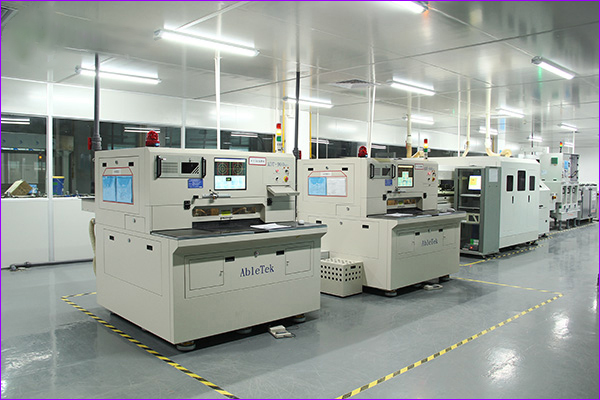
To achieve the required precision, line manufacturing relies on automated production lines and advanced equipment, such as laser direct imaging (LDI) machines and precision electroplating systems. These tools ensure consistent quality and efficiency, even when producing ultra-fine lines of 20 microns or less. Currently, domestic manufacturers have made significant progress in line manufacturing, but there is still room for improvement in terms of precision and production scale—especially for lines smaller than 25 microns.
2. Lamination Manufacturing: Ensuring Layered Integration
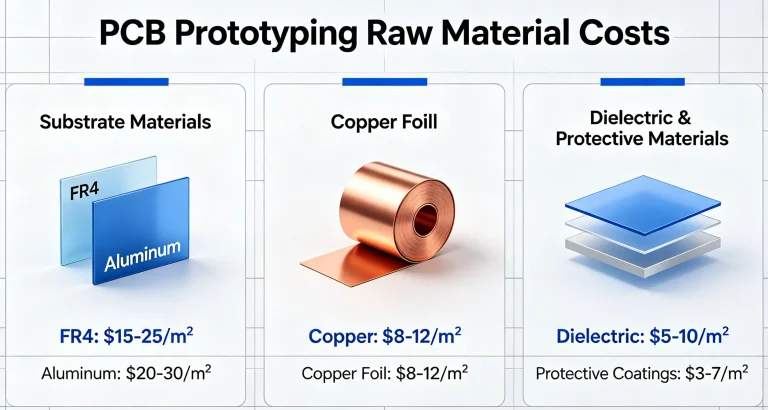
Lamination manufacturing is another key step in substrate-like PCB production, involving the stacking and bonding of multiple thin film layers to create a multi-layered board. Substrate-like PCB typically uses thinner dielectric layers (40–60 microns) compared to HDI boards (75–100 microns), which helps reduce the overall thickness of the board while increasing integration density. The materials used for lamination include low-loss dielectrics (such as polyimide and liquid crystal polymer (LCP)) for high-frequency signal integrity, ultra-thin copper foils (3–5 microns) to minimize signal attenuation, and thermally conductive adhesives to mitigate heat buildup in power-dense applications.
The lamination process requires precise temperature and pressure control to ensure that the layers bond firmly without air bubbles or defects, which could compromise the board’s performance. Automated lamination equipment is used to maintain consistency, and strict quality control measures are implemented to check for layer alignment and bonding quality. Like line manufacturing, domestic manufacturers have developed capabilities in lamination manufacturing but continue to invest in technology to improve precision and efficiency.
3. Material Selection for Substrate-Like PCB
The choice of materials is critical to the performance of substrate-like PCB. Common substrate materials include glass-reinforced epoxy (FR-4) for cost-sensitive applications, and BT resin or Ajinomoto Build-up Film (ABF) for high-frequency, high-performance needs. High-speed and low-loss laminates accounted for 40.94% of the substrate-like PCB market share in 2025, reflecting the growing demand for high-frequency compatibility in 5G and automotive applications. The selection of materials depends on the specific application, with factors such as signal integrity, thermal management, and cost playing key roles.
V.Future Trends of Substrate-Like PCB Market
The global substrate-like PCB market is poised for robust growth in the coming years, driven by technological advancements, expanding application areas, and increasing demand for high-integration devices. According to market research, the global substrate-like PCB market is expected to grow from USD 1.6 billion in 2026 to approximately USD 5.4 billion by 2035, with a compound annual growth rate (CAGR) of 14.49%. Below are the key trends that will shape the future of substrate-like PCB:
1. Sustained Growth in Market Demand
As 5G, IoT, AI, and autonomous driving continue to penetrate various industries, the demand for substrate-like PCB will keep growing. The consumer electronics sector will remain the largest market, but automotive and telecommunications (5G) applications will be the fastest-growing segments—with the 5G sector projected to grow at a CAGR of 8.17% between 2026 and 2031. Additionally, the increasing adoption of chiplet-based designs and heterogeneous integration will further drive demand for substrate-like PCB, as these technologies require high-density substrates to connect multiple chips into a single system.
2. Continuous Technological Advancements
The future of substrate-like PCB will see continuous improvements in manufacturing technology, with a focus on achieving even finer line widths (below 20 microns), higher layer counts, and better signal integrity. Advancements in MSAP, LDI, and laser drilling technologies will enable substrate-like PCB to meet the growing demands of high-performance devices. Additionally, the development of new materials—such as high-temperature-resistant and low-loss laminates—will expand the application scope of substrate-like PCB to more extreme environments, such as aerospace and industrial automation.
3. Improved Production Efficiency and Cost Reduction
As automation technology and precision manufacturing equipment become more advanced, the production efficiency of substrate-like PCB will increase significantly. This will lead to lower production costs, making substrate-like PCB more accessible to mid-range and entry-level devices—expanding its market reach beyond high-end consumer electronics and automotive applications. Additionally, the optimization of supply chains and the localization of manufacturing (especially in Asia Pacific, which accounts for 83.64% of the global market share) will further reduce costs and improve market competitiveness.
4. Growing Competition and Industry Collaboration
The substrate-like PCB market is becoming increasingly competitive, with manufacturers focusing on technological innovation and quality improvement to gain an edge. For domestic manufacturers, the key to success will be strengthening R&D capabilities, cultivating professional talent, and improving core competitiveness. Additionally, collaboration between upstream material suppliers, PCB manufacturers, and downstream device makers will be critical to driving industry growth—ensuring that substrate-like PCB technology aligns with the evolving needs of end-users.
VI.Conclusion: Substrate-Like PCB (SLP) – The Future of High-Integration Electronics
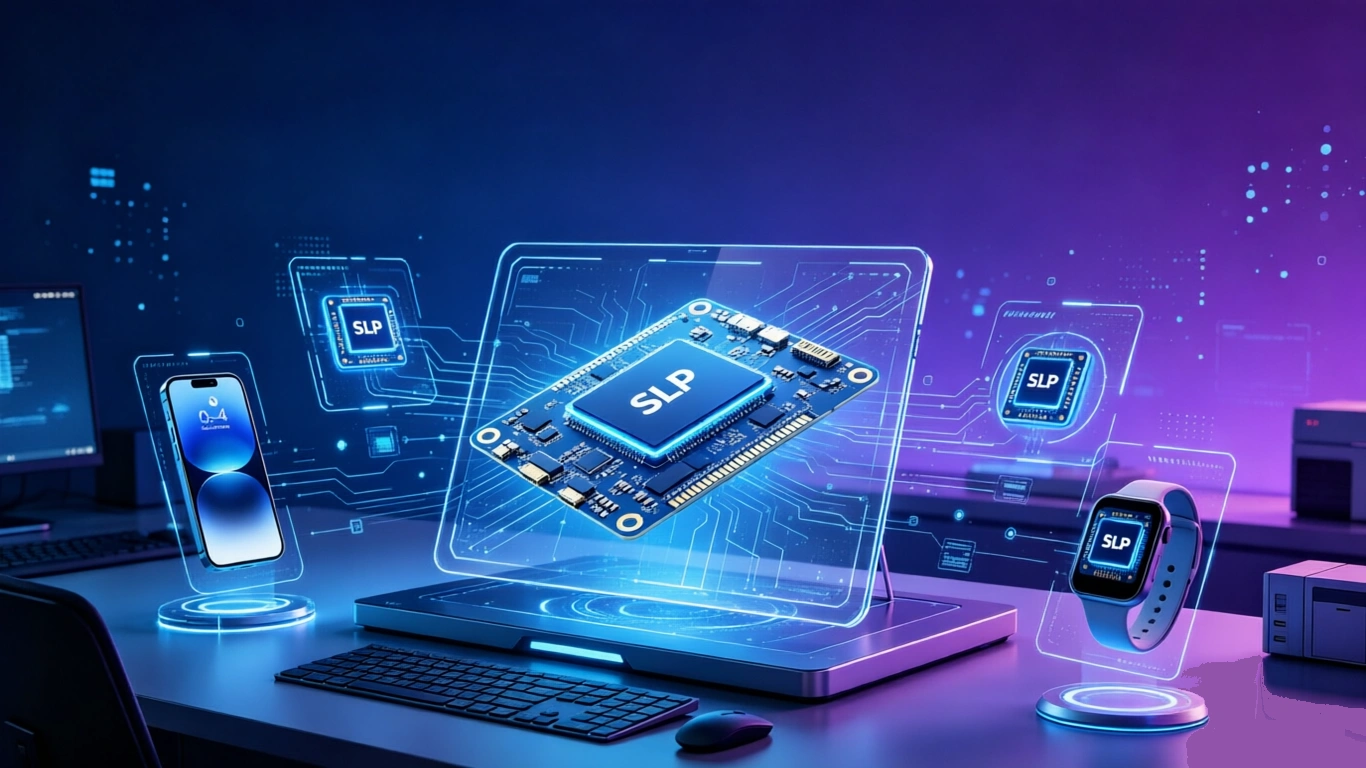
Substrate-like PCB (SLP) is more than just a next-generation PCB technology—it is a catalyst for innovation in the electronics industry. By bridging the gap between HDI boards and IC substrates, substrate-like PCB offers the perfect balance of high density, cost-effectiveness, and versatility, making it indispensable for modern electronic devices. From smartphones and wearables to EVs and medical equipment, substrate-like PCB is enabling smaller, more powerful, and more reliable products that define our digital lives.
As the global market continues to grow and technology advances, substrate-like PCB will play an increasingly important role in shaping the future of electronics. For businesses and manufacturers, understanding the opportunities, technologies, and trends of substrate-like PCB is key to staying competitive in a rapidly evolving market. Whether you are a device manufacturer looking to enhance product performance or a technology enthusiast interested in the latest advancements, substrate-like PCB is a technology worth watching closely.
If you are looking to integrate substrate-like PCB into your products or want to learn more about its applications and manufacturing, contact our team of experts today to get personalized guidance and support.