
Critical Knowledge: What is Multi-layer PCB
In the fast-paced world of electronics, where devices are becoming smaller, more powerful, and more complex, the Multi-layer PCB (Printed Circuit Board) stands as a cornerstone component. Acting as the “nervous system” of electronic devices, Multilayer PCB samples play a crucial role in enabling internal connections, optimizing layout efficiency, and supporting the advanced functions of modern electronics. From smartphones and computers to medical equipment and aerospace systems, Multilayer PCB technology is integral to nearly every electronic device we rely on today. This article will delve into the definition, importance, applications, development trends, and future outlook of Multilayer PCB, providing a comprehensive guide for anyone interested in this essential electronic component.
1. What is a Multi-layer PCB?
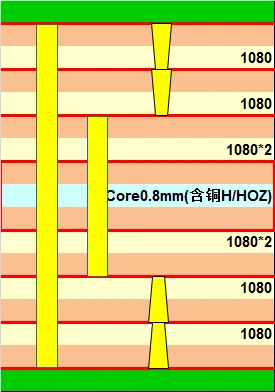
A Multilayer PCB is a type of printed circuit board composed of two or more insulating substrate layers, each featuring conductive traces (wires) for circuit connections and pads for mounting electronic components. Unlike single-layer or double-layer PCBs, which have limited space for wiring, Multilayer PCBs stack multiple substrate layers together, separated by insulating materials, to create a more compact and efficient circuit layout. The insulating material between each layer is typically fiberglass-reinforced epoxy resin (known as PP prepreg) or similar high-performance insulating materials, which ensure electrical isolation between layers while maintaining structural integrity.
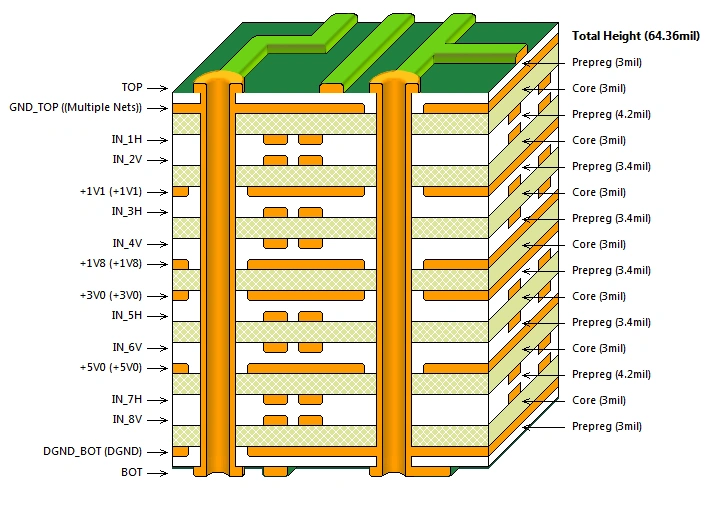
The core structure of a Multilayer PCB includes outer conductive layers (on the top and bottom) and inner conductive layers (sandwiched between insulating layers), connected by plated through-holes (PTH) or vias that allow electrical signals to pass through the layers. This layered design eliminates the need for excessive wiring on a single surface, making it possible to accommodate more complex circuits in a smaller footprint. Essentially, a Multilayer PCB is defined by its ability to integrate multiple circuit layers into a single, unified board, balancing functionality, space efficiency, and performance.
2. The Importance of Multi-layer PCB in Modern Electronics
Multilayer PCB has become indispensable in modern electronics due to its unique advantages that address the growing demands of device miniaturization, performance optimization, and reliability. Below are the key reasons why Multilayer PCB is critical to the electronics industry:
2.1 Enhanced Performance
Multilayer PCB allows for more complex and dense circuit designs, which directly contributes to improved performance and functionality of electronic devices. By separating signal layers, power layers, and ground layers, Multilayer PCB minimizes signal interference (crosstalk) and ensures stable signal transmission—critical for high-speed electronic devices such as smartphones, servers, and 5G equipment. This layered design also enables engineers to optimize circuit paths, reducing signal delay and improving overall device efficiency. For example, high-frequency devices like 5G base stations require Multilayer PCBs with dedicated signal layers to maintain signal integrity and support fast data transmission rates.
2.2 Space Saving
One of the most significant benefits of Multilayer PCB is its ability to save valuable space in electronic devices. As consumer electronics (such as smartphones, tablets, and wearables) become smaller and more compact, the need for efficient space utilization has never been greater. Multilayer PCB stacks multiple circuit layers vertically, eliminating the need for large, bulky single-layer or double-layer boards. This space-saving design allows manufacturers to create smaller, lighter devices without compromising on functionality. For instance, a modern smartphone’s motherboard, which houses hundreds of components, relies on Multilayer PCB technology to fit all necessary circuits into a tiny, slim form factor.
2.3 Improved Reliability
The insulating layers between each conductive layer in a Multilayer PCB effectively reduce electromagnetic interference (EMI) and crosstalk between circuits, significantly improving the reliability and stability of electronic devices. Unlike single-layer PCBs, where wires are exposed and prone to interference, Multilayer PCB’s layered structure shields sensitive signals from external noise and internal interference. This is particularly important for critical applications such as medical devices, aerospace equipment, and industrial control systems, where even minor signal disruptions can lead to serious consequences. Additionally, the compact design of Multilayer PCB reduces the risk of wire breakage and connection failures, extending the lifespan of electronic devices.
2.4 Customization Flexibility
Multilayer PCB can be fully customized to meet the specific design requirements of different electronic devices. Manufacturers can adjust the number of layers (from 4 layers to 50+ layers), the thickness of substrate and copper layers, the layout of traces and pads, and the type of insulating materials to suit the unique needs of each application. For example, consumer electronics may use 4-6 layer Multilayer PCBs for cost-effectiveness, while high-end aerospace equipment may require 10+ layer PCBs with high-temperature resistant materials. This customization flexibility makes Multilayer PCB suitable for a wide range of industries and applications, from basic consumer electronics to advanced industrial and military systems.
3. Common Applications of Multi-layer PCB
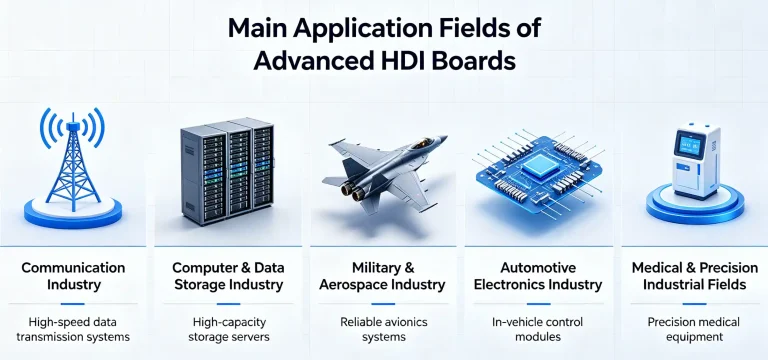
Due to its versatility, performance, and space-saving benefits, Multi-layer PCB is widely used in various electronic devices across multiple industries. Below are the most common applications of Multi-layer PCB:
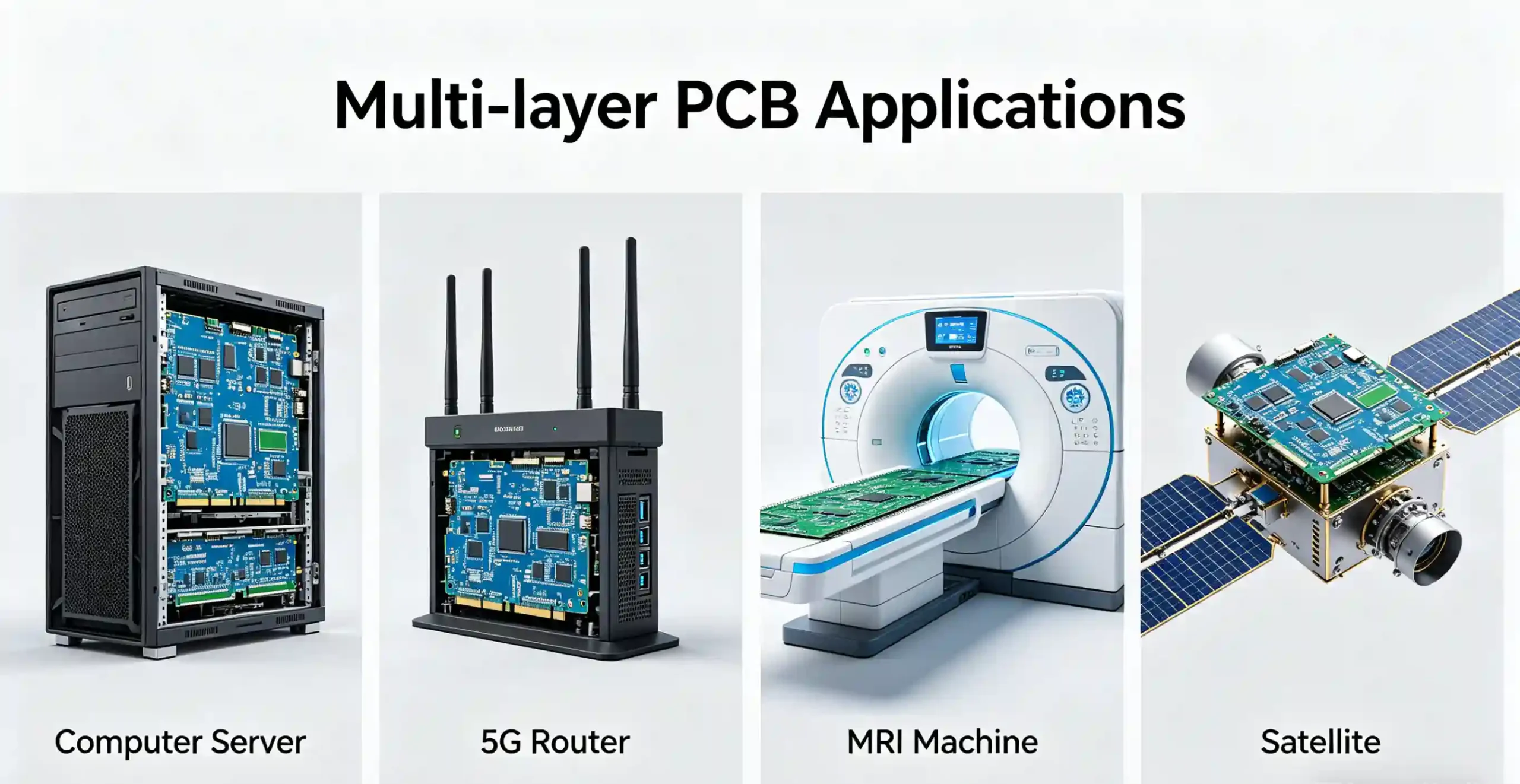
3.1 Computers and Servers
Multi-layer PCB is the backbone of computer systems and servers, used in motherboards, memory cards, hard drives, graphics cards, and other critical components. High-performance servers, which require fast data processing and stable signal transmission, rely on 8-16 layer Multi-layer PCBs to accommodate complex circuits and multiple power layers. For example, DDR5 memory modules and PCIe 6.0 interfaces in modern servers require Multi-layer PCBs with dedicated signal layers to ensure high-speed data transfer without interference.
3.2 Communication Devices
With the rise of 5G, IoT (Internet of Things), and high-speed communication technologies, Multi-layer PCB has become essential in communication devices such as modems, routers, switches, smartphones, and satellite communication equipment. 5G devices, in particular, require Multi-layer PCBs with high signal integrity and low EMI to support fast data transmission rates (up to 10 Gbps) and multiple frequency bands. Routers and switches also use Multi-layer PCBs to handle multiple network connections and data streams simultaneously, ensuring stable and reliable network performance.
3.3 Medical Equipment
In the medical industry, Multi-layer PCB is used in a wide range of complex medical devices, including medical imaging equipment (X-ray machines, MRI scanners), heart pacemakers, artificial joints, blood glucose monitors, and diagnostic devices. These devices require high reliability, precision, and miniaturization—all of which are provided by Multi-layer PCB. For example, heart pacemakers use small, high-reliability Multi-layer PCBs to house the circuit that controls the pacemaker’s function, ensuring stable operation inside the human body. Medical imaging equipment relies on Multi-layer PCBs to process and transmit high-resolution images with minimal signal distortion.
3.4 Aerospace and Defense
The aerospace and defense industries demand electronic components that can withstand extreme environments (high temperature, pressure, vibration) and deliver high performance and reliability. Multi-layer PCB is used in aircraft control systems, rocket guidance systems, satellite electronics, and military communication devices. These applications often require Multi-layer PCBs with 10+ layers, made from high-temperature resistant materials (such as polyimide) to withstand the harsh conditions of space and high-altitude flight. For example, satellite electronics use Multi-layer PCBs to handle complex communication and navigation circuits, ensuring stable operation in the vacuum of space.
4. Development Trends of Multi-layer PCB
As technology advances, the Multi-layer PCB industry is evolving to meet the growing demands of emerging technologies such as 5G, IoT, AI (Artificial Intelligence), and green energy. Below are the key future trends shaping the development of Multi-layer PCB:
4.1 Higher Performance and Reliability
With the rapid development of 5G, IoT, and AI, Multi-layer PCB will need to deliver higher performance, lower power consumption, higher reliability, and longer service life. To meet the demands of high-speed data transmission and signal processing, Multi-layer PCB will need to have better signal integrity, lower transmission delay, and smaller EMI. Additionally, as electronic devices become smaller and more compact, Multi-layer PCB designs will move toward higher density, with thinner substrate layers, finer copper traces (down to 3mil), and smaller vias. For example, high-end servers and AI chips require Multi-layer PCBs with 16+ layers to support complex circuit layouts and high-current power delivery.
4.2 Green and Eco-Friendly Manufacturing
Environmental protection and sustainable development have become global priorities, and the Multi-layer PCB industry is shifting toward greener manufacturing practices. This includes using non-toxic, environmentally friendly materials (such as biodegradable plastics and halogen-free flame retardants), reducing waste emissions, and improving resource utilization. PCB manufacturers are also adopting energy-efficient equipment and processes to reduce energy consumption and carbon emissions. For example, many manufacturers are switching from traditional lead-based solders to lead-free solders to comply with environmental regulations such as RoHS (Restriction of Hazardous Substances).
4.3 Intelligence
With the integration of AI and big data technologies, future Multi-layer PCBs will have stronger intelligent capabilities. This includes features such as remote monitoring, fault diagnosis, and automatic optimization, which will improve production efficiency and product quality. For example, intelligent Multi-layer PCBs can monitor their own performance in real time, detect potential faults (such as trace damage or via corrosion), and send alerts to manufacturers or users. This will reduce maintenance costs and extend the lifespan of electronic devices.
4.4 Multifunctional Integration
To meet the needs of diverse application scenarios, future Multi-layer PCBs will integrate more functions, such as multi-channel signal transmission, multi-level protection, and thermal management. For example, Multi-layer PCBs used in electric vehicles will integrate power management, signal transmission, and thermal dissipation functions into a single board, reducing the size and weight of the vehicle’s electronic system. Additionally, Multi-layer PCBs will be designed to support multiple communication protocols (such as 5G, Wi-Fi 7, and Bluetooth) to meet the needs of IoT devices.
4.5 Technological Innovation Driving Market Growth
Continuous technological innovation will open up more market space for Multi-layer PCB. The development of new materials (such as low-Dk/Df materials for high-frequency applications) and new manufacturing processes (such as laser drilling and MSAP technology) will improve the performance of Multi-layer PCB and reduce production costs. For example, the use of Rogers 4350B substrate in Multi-layer PCBs for high-frequency applications reduces signal loss and improves overall performance. These innovations will drive the growth of the Multi-layer PCB market, especially in high-end applications such as AI, 5G, and aerospace.
4.6 Policy Support Boosting Industry Development
Governments around the world are introducing a series of policies to promote the development of the electronic information industry, including financial support, tax incentives, and R&D subsidies. These policies will help reduce the production costs of PCB manufacturers, improve their competitiveness, and drive the development of the Multi-layer PCB market. For example, many countries are investing in the development of domestic PCB industries to reduce reliance on imports and support the growth of emerging technologies such as 5G and AI.
5. The Future of Multi-layer PCB: HDI Circuit Boards
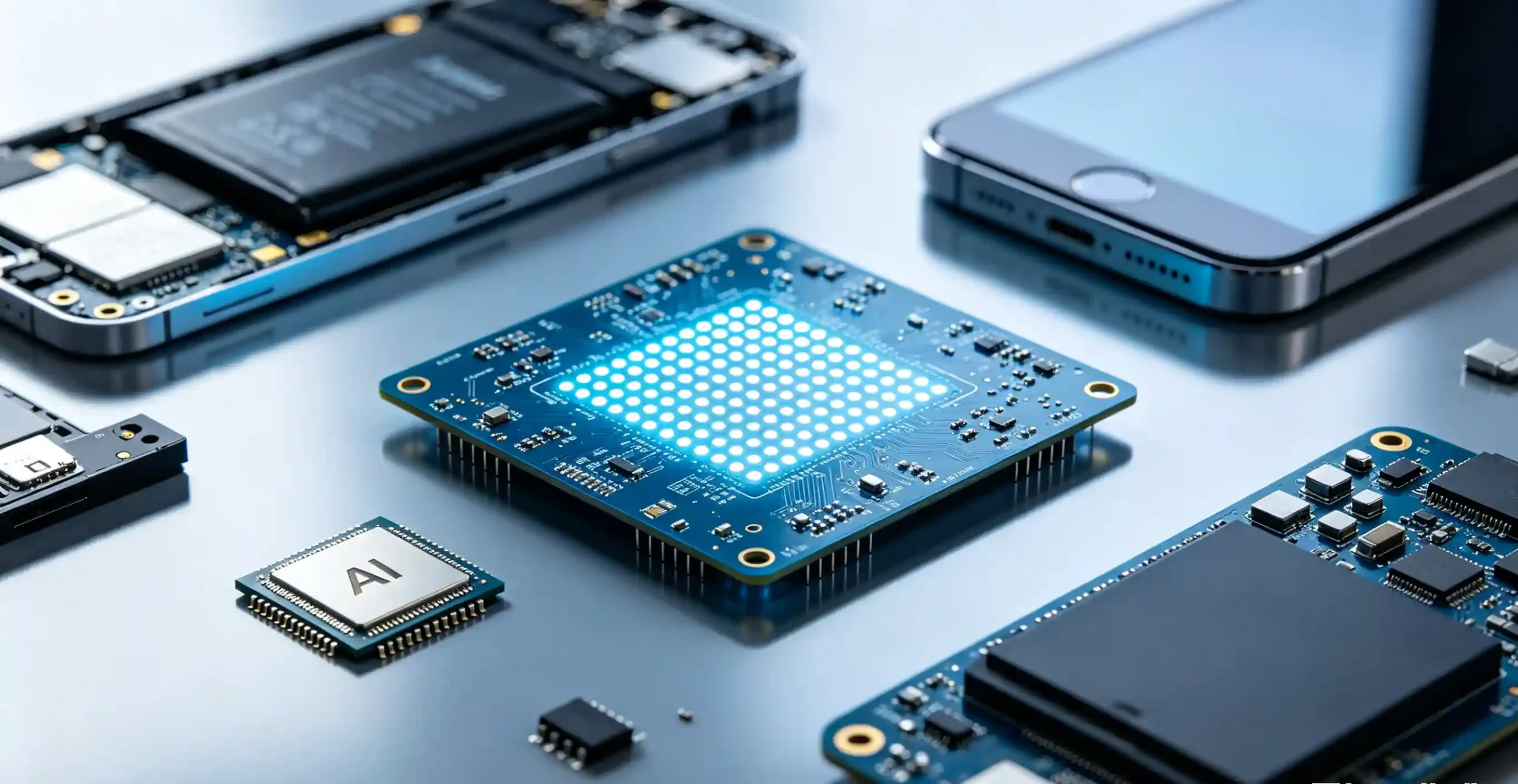
In summary, the future development of Multi-layer PCB will focus on higher performance and reliability, green manufacturing, intelligence, multifunctional integration, technological innovation, and policy support. These trends will drive the continuous development and progress of the Multi-layer PCB market. However, the realization of these trends requires joint efforts from governments, enterprises, research institutions, and consumers to promote the sustainable development of the industry.
As chip technology continues to advance, the PCB industry is moving from traditional Multi-layer PCB to HDI (High-Density Interconnect) circuit boards. HDI boards are the future trend of the PCB industry, offering higher density, finer traces, smaller vias, and better signal integrity than traditional Multi-layer PCBs. HDI boards are particularly suitable for high-end electronic devices such as smartphones, AI chips, and medical equipment, where miniaturization and high performance are critical. Unlike traditional Multi-layer PCBs, HDI boards use laser-drilled microvias (50-100μm) to connect layers, enabling denser component placement and faster signal transmission.
988PCB has been producing HDI circuit boards since 2014, with nearly 12 years of experience in the industry. Our HDI technology is mature, our processes are sophisticated, and our quality is stable. We can provide customers with HDI quick samples, HDI prototyping, and HDI mass production, meeting the diverse needs of various industries. As the demand for high-performance, miniaturized electronic devices grows, HDI boards will gradually replace traditional Multi-layer PCBs in high-end applications, becoming the core of the future PCB industry.
FAQ About Multi-layer PCB
Q1: What is the difference between a Multi-layer PCB and a single-layer/double-layer PCB?
A1: The main difference lies in the number of conductive layers. A single-layer PCB has only one conductive layer, a double-layer PCB has two conductive layers (top and bottom), while a Multi-layer PCB has three or more conductive layers stacked together with insulating layers in between. Multi-layer PCB offers better space efficiency, higher circuit density, less signal interference, and better performance than single-layer or double-layer PCBs, making it suitable for complex, high-performance electronic devices.
Q2: How many layers can a Multi-layer PCB have?
A2: The number of layers in a Multi-layer PCB can range from 4 layers (common in consumer electronics) to 50+ layers (used in high-end aerospace and military applications). The number of layers is determined by the complexity of the circuit, the performance requirements of the device, and the available budget. For example, consumer electronics like routers typically use 4-6 layer Multi-layer PCBs, while high-end servers and AI chips may use 16+ layer Multi-layer PCBs.
Q3: Why is Multi-layer PCB important for 5G and IoT devices?
A3: 5G and IoT devices require high-speed data transmission, low signal interference, and miniaturization—all of which are provided by Multi-layer PCB. Multi-layer PCB’s layered design separates signal layers from power/ground layers, minimizing EMI and crosstalk, which is critical for 5G’s high-frequency signals. Additionally, Multi-layer PCB’s space-saving design allows IoT devices to be smaller and more compact, while its high circuit density supports the multiple functions required by IoT applications (such as sensing, communication, and data processing).