
Key Outstanding Characteristics of High-Quality Automotive Electronic PCBs
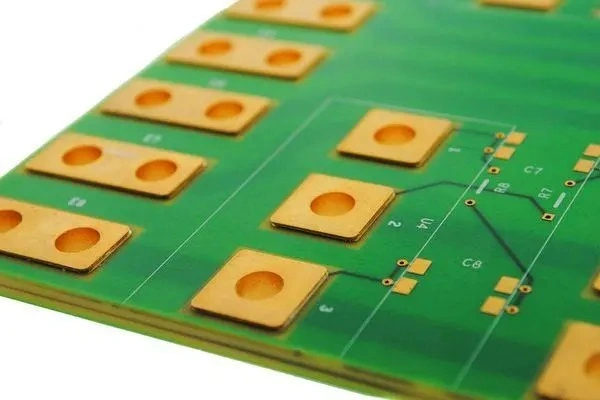
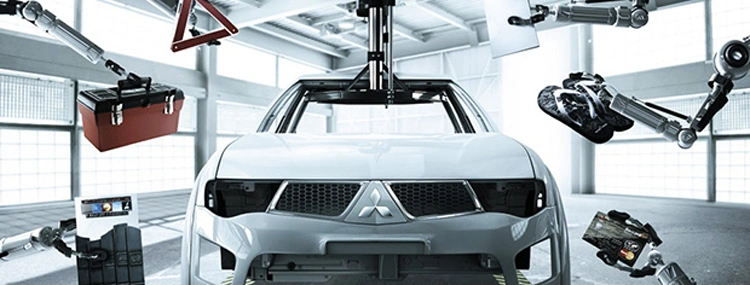
In the modern automotive industry, automotive electronic PCB serves as the foundational core of vehicle electrical systems, undergoing continuous innovation and optimization to match evolving automotive technology. Unlike standard commercial PCBs, automotive electronic PCBs are engineered to withstand extreme operating conditions, featuring exceptional temperature stability, chemical resistance, high reliability, environmental adaptability, strong anti-interference performance, and sophisticated circuit design. These critical attributes deliver stable, efficient, and dependable support for automotive electrical systems, laying a solid foundation for vehicle safety, intelligence, and long-term performance.
I. Excellent Temperature Fluctuation Resistance
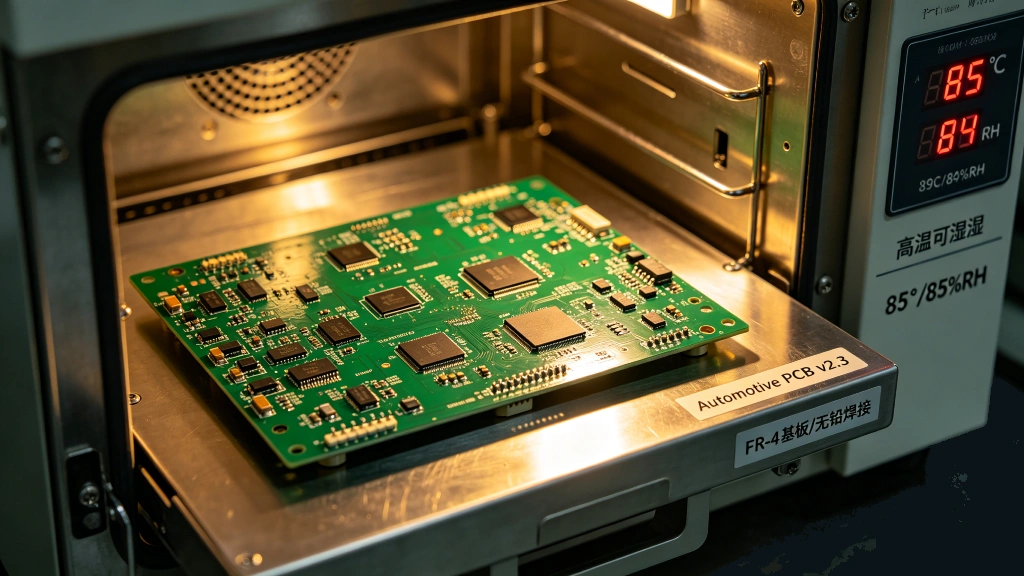
Automotive electronic PCBs must maintain stable performance across a wide temperature range to ensure consistent vehicle operation under all driving scenarios. To achieve this, manufacturers select specialized substrate materials that deliver reliable functionality even in high-temperature and high-humidity environments. These advanced materials effectively prevent common failures such as warping, delamination, and performance degradation, extending service life and ensuring uninterrupted operation of automotive electronics.
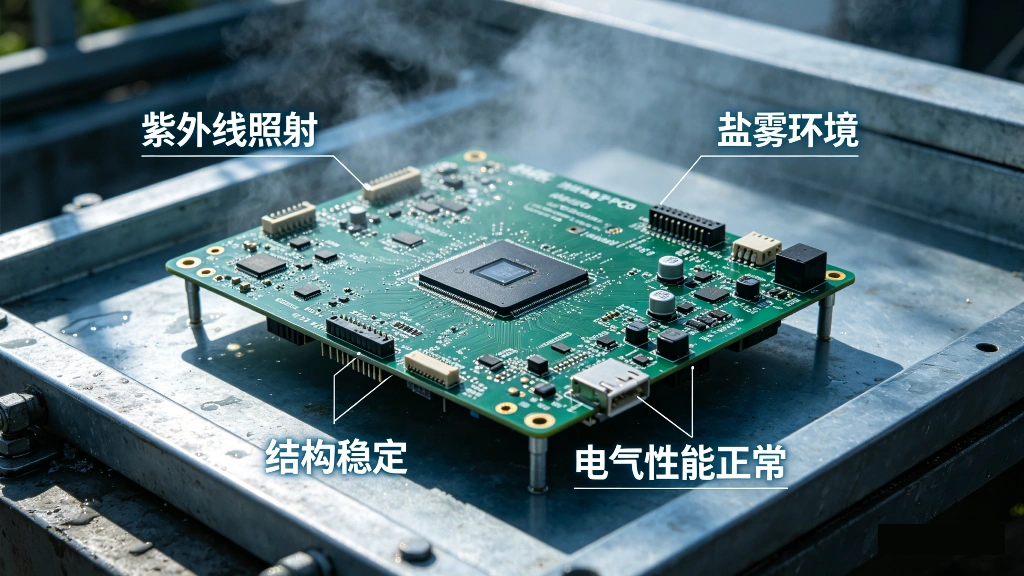
Beyond high-temperature resistance, automotive electronic PCBs are also designed to resist moisture, salt spray, and UV radiation. Many applications use modified engineering materials and high-temperature-resistant wires that undergo special surface treatment, preserving excellent electrical properties and structural stability in harsh environments. This robust design ensures long-term reliability when exposed to ultraviolet rays and corrosive environmental factors.
II. Superior Chemical Corrosion Resistance
In real-world driving conditions, automotive electronic PCBs are frequently exposed to corrosive substances including acids, alkalis, salts, oil contaminants, and fuel vapors. Without effective corrosion protection, these substances can severely damage circuit structures and compromise electrical performance. For this reason, automotive electronic PCB production relies heavily on materials with outstanding corrosion-resistant properties.
Epoxy resin and fiberglass are among the most widely used materials, offering high mechanical strength, excellent corrosion resistance, and superior insulation. Fiberglass further enhances thermal stability and structural rigidity, reinforcing both durability and reliability. For more demanding applications, manufacturers also employ polyimide, polyester films, and other high-performance materials, which provide exceptional heat resistance and insulation to meet strict requirements of automotive electronic control systems.
III. Ultra-High Reliability & Stability
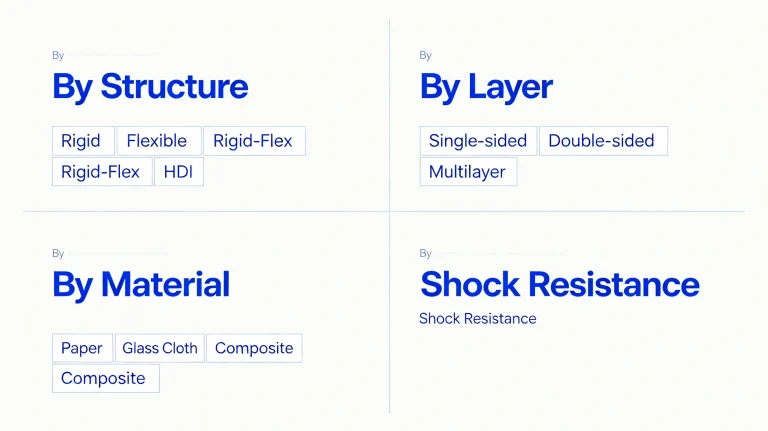
Reliability is a defining feature of automotive electronic PCB, as any failure can directly affect driving safety and system stability during long-term operation. To meet stringent automotive standards, manufacturers utilize high-performance base materials and advanced production techniques. Multilayer PCB structures are commonly adopted to boost mechanical strength and electrical performance, while high-thermal-conductivity insulating materials help dissipate heat efficiently and maintain stable functionality under sustained high temperatures.
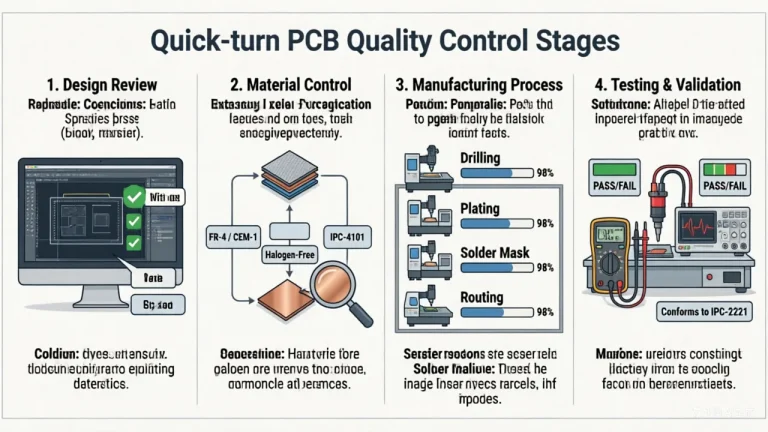
During development, manufacturers also balance production cost, quality control, dimensional accuracy, and appearance standards to accommodate diverse vehicle models and customized electrical system designs, ensuring compatibility and consistency across different automotive platforms.
IV. Strong Adaptability to Complex Environments
Automotive electronic PCBs operate in highly variable environments, including extreme heat, high humidity, severe cold, dryness, dust, and water exposure. To maintain functionality under such conditions, specialized manufacturing processes are implemented to improve environmental adaptability and structural stability.
Waterproofing and dustproofing are essential protective features. Special coatings, waterproof membranes, and enclosure designs prevent moisture and dust intrusion, avoiding short circuits and component damage. Similarly, vibration and shock resistance are critical, as vehicles endure constant mechanical stress during travel. Reinforced substrates, shock-absorbing pads, and impact-resistant layers help prevent cracking, loosening, or detachment, ensuring stable performance even under intense vibration.
V. Excellent Anti-Interference Capability
Modern vehicles are equipped with numerous electronic systems, creating a complex electromagnetic environment. Automotive electronic PCB must feature strong anti-electromagnetic interference (EMI) performance to ensure signal integrity and stable system operation.
Shielding is a widely applied technique, where a metal layer is integrated into the PCB outer layers to block external electromagnetic radiation and isolate internal signal transmission. Another effective method is optimized grounding design, which connects PCB grounding terminals to the vehicle chassis and separates signal ground from power ground. This configuration minimizes electromagnetic interference, reduces signal noise, and enhances overall stability of the automotive electrical system.
VI. Complex & Precision Circuit Design
Circuit design for automotive electronic PCBs is highly sophisticated, requiring comprehensive consideration of environmental, functional, and safety factors.
Temperature management remains a primary concern, as automotive electronics generate significant heat during operation, demanding thermally stable layout and material selection. Humidity and dust control are equally important: designs must prevent electrostatic discharge and short circuits in dry conditions, while resisting oxidation and corrosion in humid environments.
To fulfill advanced automotive functions, circuit layouts must be highly precise and reliable, capable of withstanding vibration, shock, and temperature cycling without performance loss. Every aspect—from trace routing and component placement to layer stacking and impedance control—is carefully engineered. Only through holistic design optimization can automotive electronic PCB meet the rigorous demands of modern vehicle electrical systems.
Conclusion
As the cornerstone of automotive electrical systems, automotive electronic PCB stands out for its exceptional temperature stability, chemical corrosion resistance, high reliability, wide environmental adaptability, strong anti-interference performance, and complex precision design. Together, these characteristics ensure stable, efficient, and safe operation of vehicle electronics, supporting the continued advancement of automotive intelligence, electrification, and driving safety.