Advanced HDI Board: The Definitive Future of Modern High-Performance Electronic Devices
With the rapid advancement of global electronic technology, consumer and industrial electronic devices are evolving toward miniaturization, lightweight design, ultra-fast operation, and long-term operational reliability. Traditional printed circuit boards (PCBs) can no longer meet the rigorous demands of high-end electronic equipment due to their limited wiring density, slow signal transmission, and simple structural design.
As a cutting-edge circuit substrate solution, the Advanced HDI Board (High-Density Interconnect Board) has emerged as a core component supporting the iteration of next-generation electronic products. Adopting sophisticated microvia and microcircuit manufacturing technologies, Advanced HDI Boards deliver high-density wiring, high-speed signal transmission, and exceptional structural stability. This article comprehensively elaborates on the definition, core features, professional manufacturing processes, and wide application fields of Advanced HDI Boards, revealing their irreplaceable value in modern and future electronic systems.
1、What Is an Advanced HDI Board? Definition & Core Technology
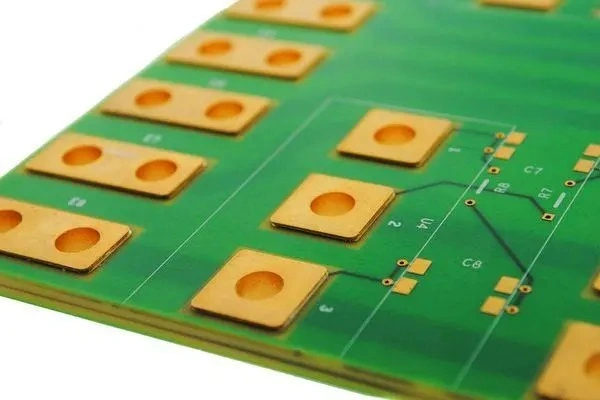
HDI stands for High Density Interconnect, an advanced PCB manufacturing technology designed to break through the limitations of conventional circuit connection solutions. Different from standard PCBs with large vias and sparse circuits, HDI technology utilizes microvia, micro-line, and narrow-spacing fabrication methods to achieve high-precision, high-frequency, and high-reliability circuit interconnections.
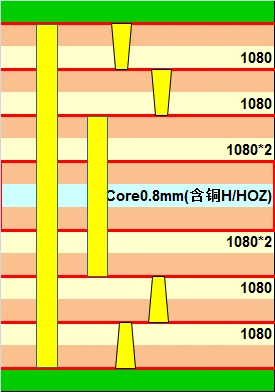
8-Layer 2-Stage HDI (Stacked Via)
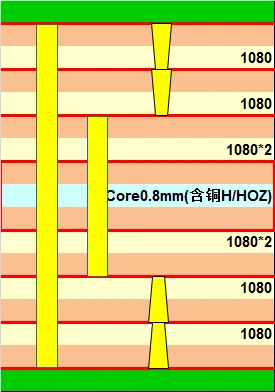
8-Layer 2-Stage HDI (Stacked Via)
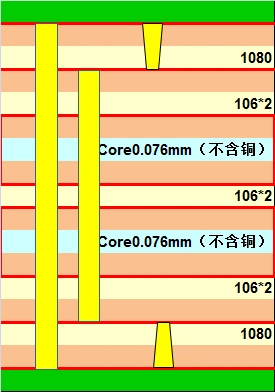
8-Layer 1-Stage HDI(Standard)
In the global electronics manufacturing industry, only second-stage and above HDI products are defined as Advanced HDI Boards. Unlike entry-level 1st-stage HDI boards with simple blind via structures, Advanced HDI Boards require two or more rounds of blind via fabrication, adopting professional stacked via and staggered via processes. These sophisticated manufacturing techniques greatly improve circuit integration density, eliminate signal interference caused by crowded wiring, and maximize the utilization of limited board space, making them the preferred substrate for high-precision and high-performance electronic devices.
2、Key Features of Advanced HDI Boards That Outperform Traditional PCBs
The widespread adoption of Advanced HDI Boards in high-end industries stems from their comprehensive performance advantages over conventional PCBs and ordinary HDI boards. Their five core characteristics perfectly match the upgrading trends of modern electronic equipment:
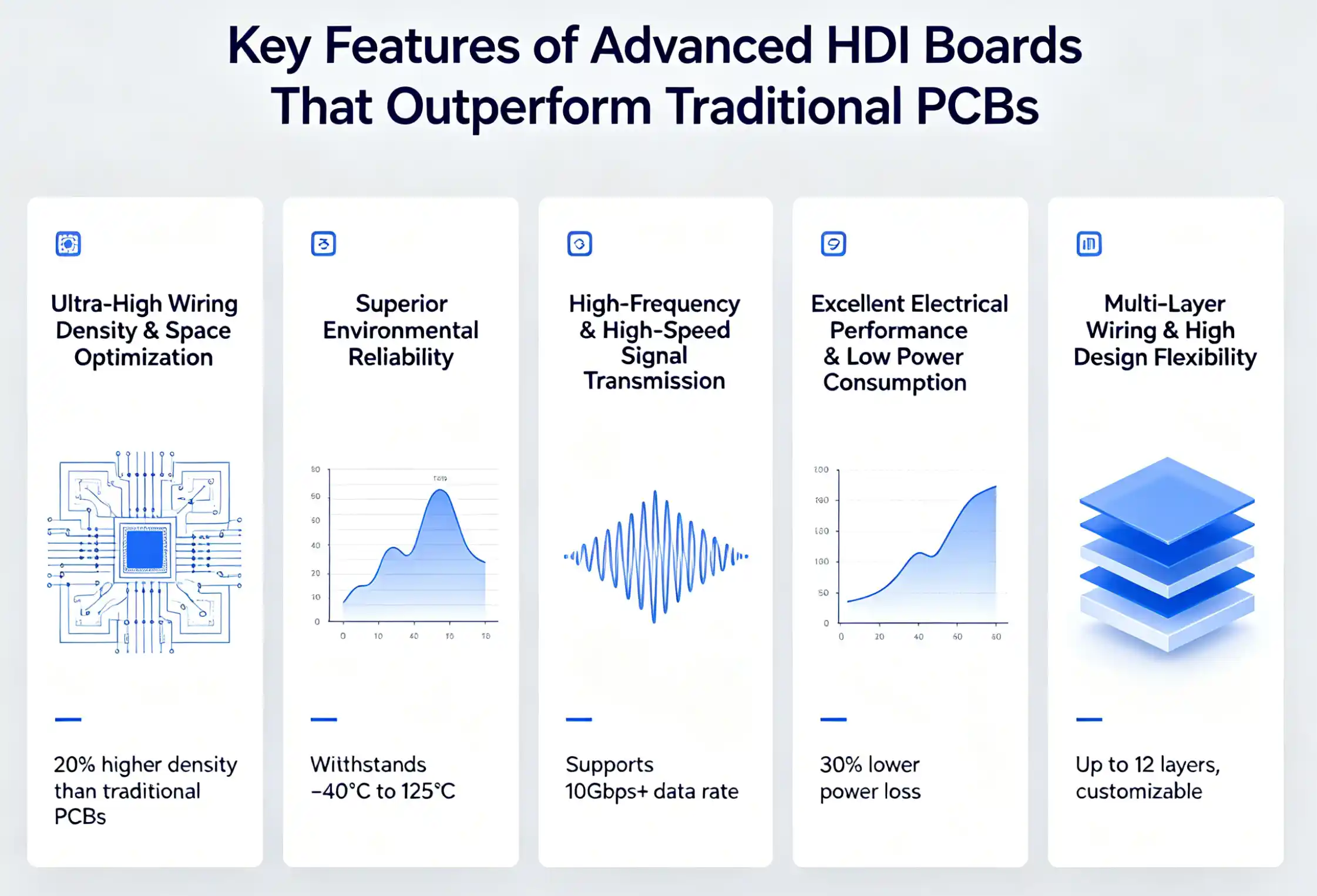
1. Ultra-High Wiring Density & Space Optimization
Advanced HDI Boards adopt micron-scale circuits and microvia structures, achieving several times higher wiring density than traditional PCBs. Within a fixed board size, they can integrate more electronic components and circuit lines without expanding the volume or weight of electronic devices. This feature enables the miniaturization and functional expansion of compact devices such as smartphones, smart wearables, and miniature medical instruments, solving the long-standing space limitation problem of traditional circuit boards.
2. Superior Environmental Reliability for Harsh Working Conditions
Manufactured with high-purity, high-stability base materials and standardized precision processes, Advanced HDI Boards feature excellent structural stability, anti-aging performance, and deformation resistance. They can maintain stable electrical performance under extreme temperatures, high-frequency vibration, humid and corrosive environments, and long-term continuous operation. This outstanding environmental adaptability fully meets the strict reliability standards of military, aerospace, automotive, and industrial-grade electronic equipment.
3. High-Frequency & High-Speed Signal Transmission
Tailored for high-frequency and high-speed circuit design scenarios, Advanced HDI Boards effectively reduce signal delay, crosstalk, and transmission loss. They support real-time mass data transmission and high-speed operational processing, perfectly adapting to the technical requirements of 5G communication, cloud servers, autonomous driving, and high-precision industrial control systems. This high-frequency performance is the key to ensuring efficient and stable operation of modern high-speed electronic devices.
4. Excellent Electrical Performance & Low Power Consumption
Thanks to uniform impedance design, high-precision circuit layout, and high-conductivity base materials, Advanced HDI Boards deliver stable and accurate signal transmission. They effectively reduce operating power consumption and heat generation of electronic equipment, improving battery life for portable devices and lowering operational energy consumption for industrial equipment. The combination of high performance and low energy consumption makes them eco-friendly and cost-effective circuit substrates.
5. Multi-Layer Wiring & High Design Flexibility
Advanced HDI Boards support integrated multi-layer lamination and multi-dimensional wiring, enabling precise interconnection between different circuit layers. They can carry complex circuit logic and multi-functional hardware architectures that traditional single-layer and double-layer PCBs cannot support. The high design flexibility provides sufficient technical space for the innovative development of high-end intelligent equipment and precision electronic products.
3、Professional Manufacturing Process of Advanced HDI Boards
The superior comprehensive performance of Advanced HDI Boards relies on a strict, standardized, and refined manufacturing workflow. Each processing step directly determines the precision, stability, and service life of the finished board. The complete production process is as follows:
1. High-Quality Substrate Selection
Substrate quality is the foundation of board performance. Advanced HDI Boards exclusively adopt high-grade raw materials including high-heat-resistant fiberglass cloth and modified epoxy resin. These materials feature high insulation, low deformation rate, excellent corrosion resistance, and thermal stability, ensuring long-term operational durability and structural reliability of the circuit boards.
2. High-Precision Circuit Fabrication via Laser Direct Imaging
Replacing traditional mechanical imaging technology, laser direct imaging (LDI) is applied for circuit patterning. This advanced technology produces ultra-fine circuit lines and ultra-narrow line spacing with higher flatness and precision. It not only improves circuit accuracy but also enhances production efficiency, supporting mass manufacturing of high-density precision Advanced HDI Boards.
3. Precision Microvia Processing (Blind & Buried Vias)
To maximize wiring density, Advanced HDI Boards adopt blind via and buried via micro-processing technology instead of traditional large-diameter through-holes. A blind via penetrates the surface circuit layer without passing through the entire substrate, realizing surface layer interconnection. A buried via is embedded inside the board, penetrating the inner substrate to connect multi-layer internal circuits. The microvia design saves board space and further optimizes circuit integration.
4. Professional Surface Treatment
The board surface undergoes electroplating and chemical plating treatment to enhance electrical conductivity, oxidation resistance, and corrosion resistance. Meanwhile, surface treatment increases the hardness and wear resistance of circuit lines, preventing poor contact and line oxidation caused by long-term operation. This process significantly improves the overall reliability and service life of Advanced HDI Boards.
5. Multi-Layer Precision Lamination
According to customized circuit design schemes, multiple single-layer circuit boards are laminated under constant temperature and pressure. This process ensures tight fitting and precise interconnection between different layers, realizing smooth and interference-free cross-layer signal transmission and forming an integrated high-density multi-layer circuit structure.
6. Strict Testing & Verification
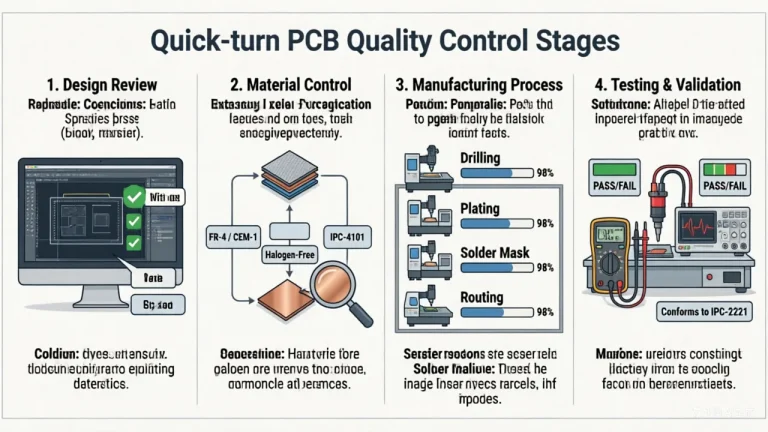
All finished Advanced HDI Boards undergo comprehensive performance tests before delivery, including electrical performance testing, mechanical strength testing, high and low temperature environmental adaptation testing, and corrosion resistance testing. Full-dimensional quality inspection eliminates defective products and ensures every board meets international high-end industry standards.
4、Main Application Fields of Advanced HDI Boards
Benefiting from high density, high-speed transmission, high reliability, and low power consumption, Advanced HDI Boards have been widely applied in various high-end core industries, becoming an indispensable core substrate for precision electronic equipment:
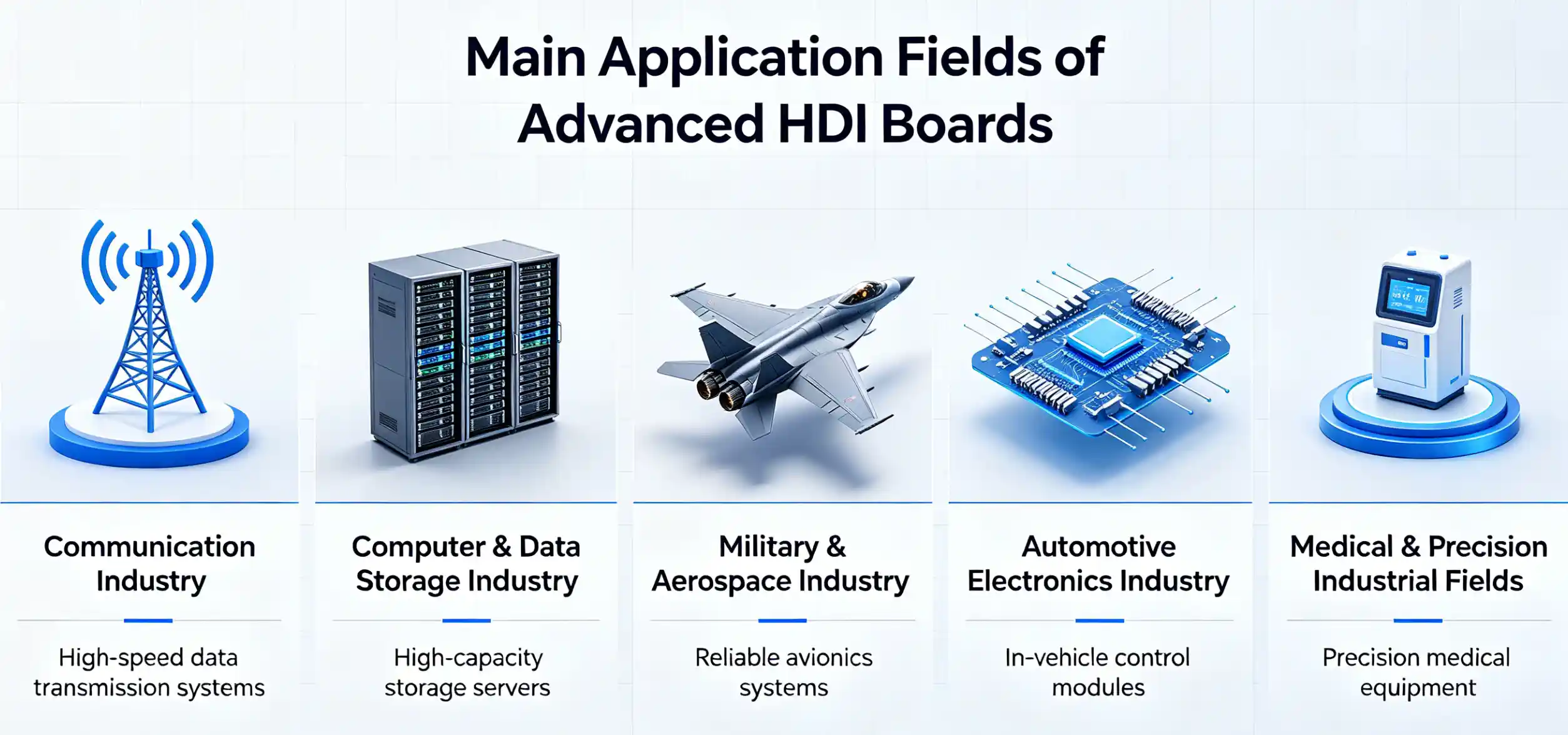
1. Communication Industry
5G smartphones, communication base stations, high-speed routers, and portable communication terminals require ultra-stable and low-latency data transmission. Advanced HDI Boards support multi-band high-frequency signal transmission, effectively reducing signal loss and network delay, and are the core hardware foundation for 5G and next-generation communication technology upgrading.
2. Computer & Data Storage Industry
High-performance servers, workstations, and thin-and-light laptops demand efficient circuit architecture to support high-speed computing and multi-task operation. Advanced HDI Boards optimize circuit transmission efficiency, reduce operating power consumption, and ensure long-term stable high-speed operation of computer and data processing equipment.
3. Military & Aerospace Industry
Military radar, precision missile equipment, aerospace devices, and satellite terminals operate in extreme and complex environments with strict requirements for equipment stability, anti-interference ability, and signal accuracy. Advanced HDI Boards deliver ultra-high reliability and stable high-frequency transmission performance, fully meeting the rigorous standards of military and aerospace fields.
4. Automotive Electronics Industry
With the rapid development of intelligent vehicles, automotive electronic control systems, autonomous driving radars, smart cockpit systems, and vehicle-mounted sensors require high durability and anti-vibration performance. Advanced HDI Boards adapt to complex vehicle working conditions such as temperature differences and vibration, ensuring the safe and stable operation of intelligent automotive electronic systems.
5. Medical & Precision Industrial Fields
Advanced medical devices, intelligent wearable devices, and industrial precision instruments require miniaturization, high precision, and low signal interference. The ultra-high density and stable electrical performance of Advanced HDI Boards perfectly meet the stringent requirements of precision equipment, promoting the intelligent and miniaturized upgrading of medical and industrial devices.
6、Development Summary & Future Trends
As a cutting-edge technology in the global PCB industry, Advanced HDI Boards break through the performance bottlenecks of traditional circuit boards. Their core advantages of high-density wiring, high-frequency high-speed transmission, ultra-high reliability, multi-layer integration, and low power consumption make them essential substrates for modern miniaturized, intelligent, and high-speed electronic equipment. Currently, Advanced HDI Boards have covered core high-end industries including communication, computer, military, automotive, medical, and aerospace, becoming a key cornerstone of the global electronic hardware industry.
With the continuous breakthroughs in 5G communication, artificial intelligence, autonomous driving, and aerospace technology, the market requirements for electronic equipment precision, transmission speed, stability, and lightweight design will continue to increase. In the future, the manufacturing technology of Advanced HDI Boards will be further optimized, with higher wiring density, stronger signal transmission performance, and better environmental adaptability. Their application scenarios will continue to expand, providing continuous innovative power for the upgrading and development of the global electronic industry.
FAQs About Advanced HDI Boards
1. What is the difference between Advanced HDI Board and ordinary HDI Board?
The core difference lies in manufacturing standards and performance. Advanced HDI Boards refer to second-order and above HDI products with two or more blind via fabrication processes, adopting stacked via or staggered via technologies for higher wiring density and signal stability. Ordinary 1st-order HDI Boards have simpler via structures, lower circuit integration, and weaker high-frequency transmission performance, which can only meet the needs of mid-range consumer electronics, while Advanced HDI Boards are tailored for high-end industrial, military, aerospace, and high-precision electronic devices.
2. Why are Advanced HDI Boards suitable for high-frequency high-speed electronic devices?
Advanced HDI Boards adopt high-purity low-loss substrates and precision microcircuit layout, which effectively reduce signal crosstalk, transmission loss, and delay under high-frequency operating conditions. Their optimized multi-layer interconnection structure ensures stable and continuous high-speed data transmission. These unique properties enable them to perfectly adapt to high-frequency scenarios such as 5G communication, server computing, and autonomous driving radar systems, which cannot be realized by traditional PCBs and ordinary HDI boards.
3. What are the main application limitations of Advanced HDI Boards?
Due to sophisticated manufacturing processes, strict material selection, and rigorous quality testing, Advanced HDI Boards have higher production costs and longer production cycles than conventional PCBs. Therefore, they are mainly applied in high-end precision electronic equipment with high performance requirements. For low-end, low-frequency, and ordinary consumer electronic products with low wiring density requirements, ordinary PCBs or entry-level HDI boards are more cost-effective choices.