
The Types of PCB: Complete Classification, Features & Applications 2026
1. General Classification Overview of PCB
Printed Circuit Boards (PCB) act as the fundamental carrier for electronic components and circuit connections in the modern electronics industry. With the continuous upgrading of electronic technology, various PCB designs have emerged to fit diverse working conditions. There are multiple types of PCB on the market, categorized by different industrial standards. Understanding the types of PCB is critical for electronic engineers, procurement personnel, and manufacturers to select the most suitable circuit boards for specific projects.
Generally speaking, the common classification methods cover structure, layer count, substrate material, and mechanical durability. In terms of structural design, the types of PCB include rigid PCB, flexible PCB, rigid-flex PCB, and HDI PCB. According to the number of conductive layers, PCBs are divided into single-sided PCB, double-sided PCB, and multilayer PCB. Based on substrate materials, manufacturers commonly use paper substrates, glass fiber substrates, composite substrates, and special engineering substrates. Some industrial circuit boards are also classified by vibration resistance and shock resistance. Each category among the types of PCB possesses unique physical characteristics, production costs, and application boundaries, requiring reasonable selection based on actual usage environments.
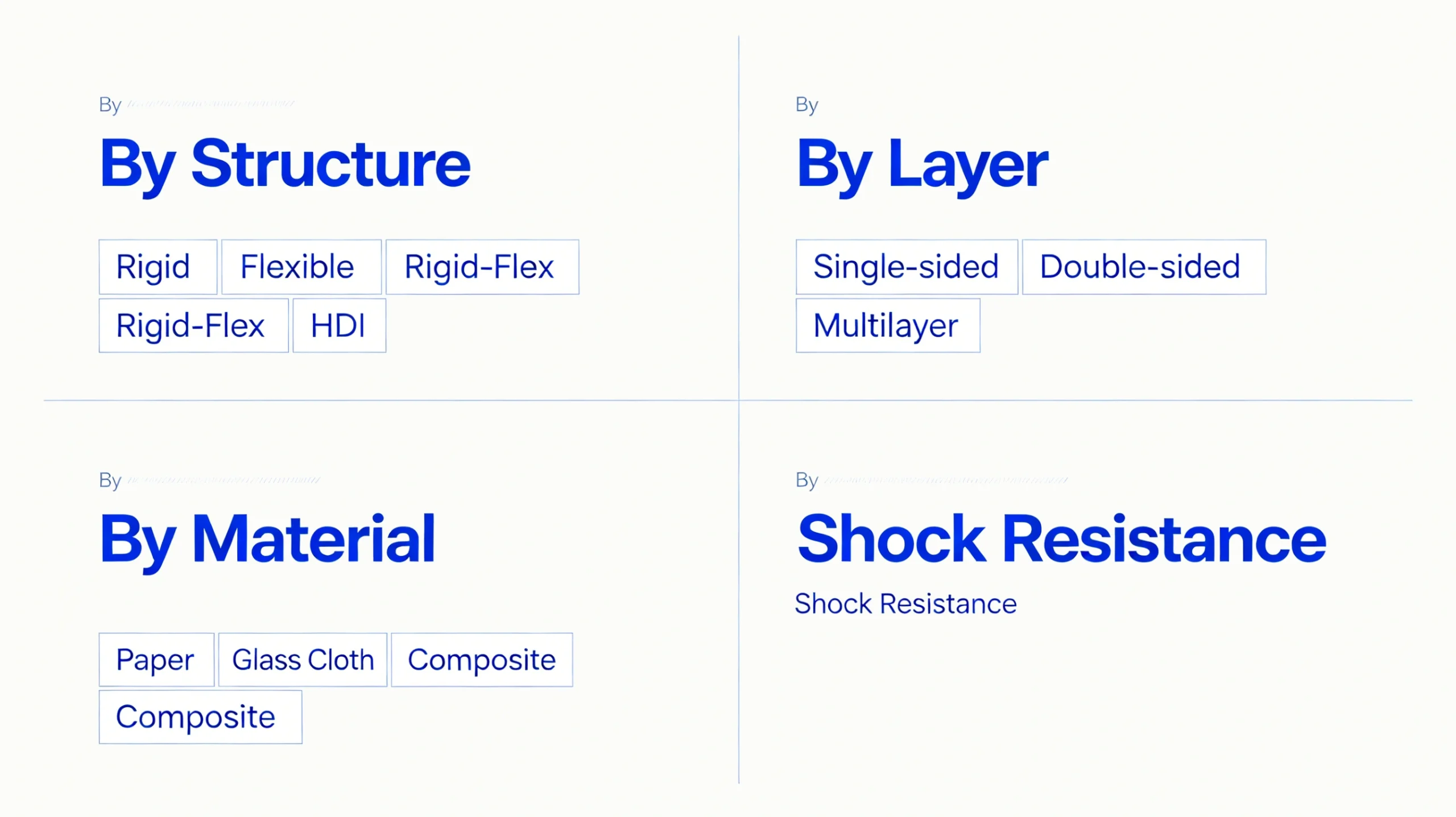
As an indispensable electronic component, the structure and material of a PCB directly determine the stability, service life, and overall performance of electronic products. Below is a detailed introduction covering classification, features, advantages, limitations, and typical application scenarios of mainstream types of PCB.
2. Common Types of PCB and Their Characteristics
2.1 Single-Sided PCB
Single-sided PCB is the most basic and simplest type among all types of PCB. It only contains conductive copper traces and circuit patterns on one side, while the opposite side remains a blank insulating substrate without any wiring or soldered components. Thanks to its uncomplicated structure, single-sided PCB features easy production workflows and low manufacturing costs, making it ideal for mass production of low-cost simple electronic devices.
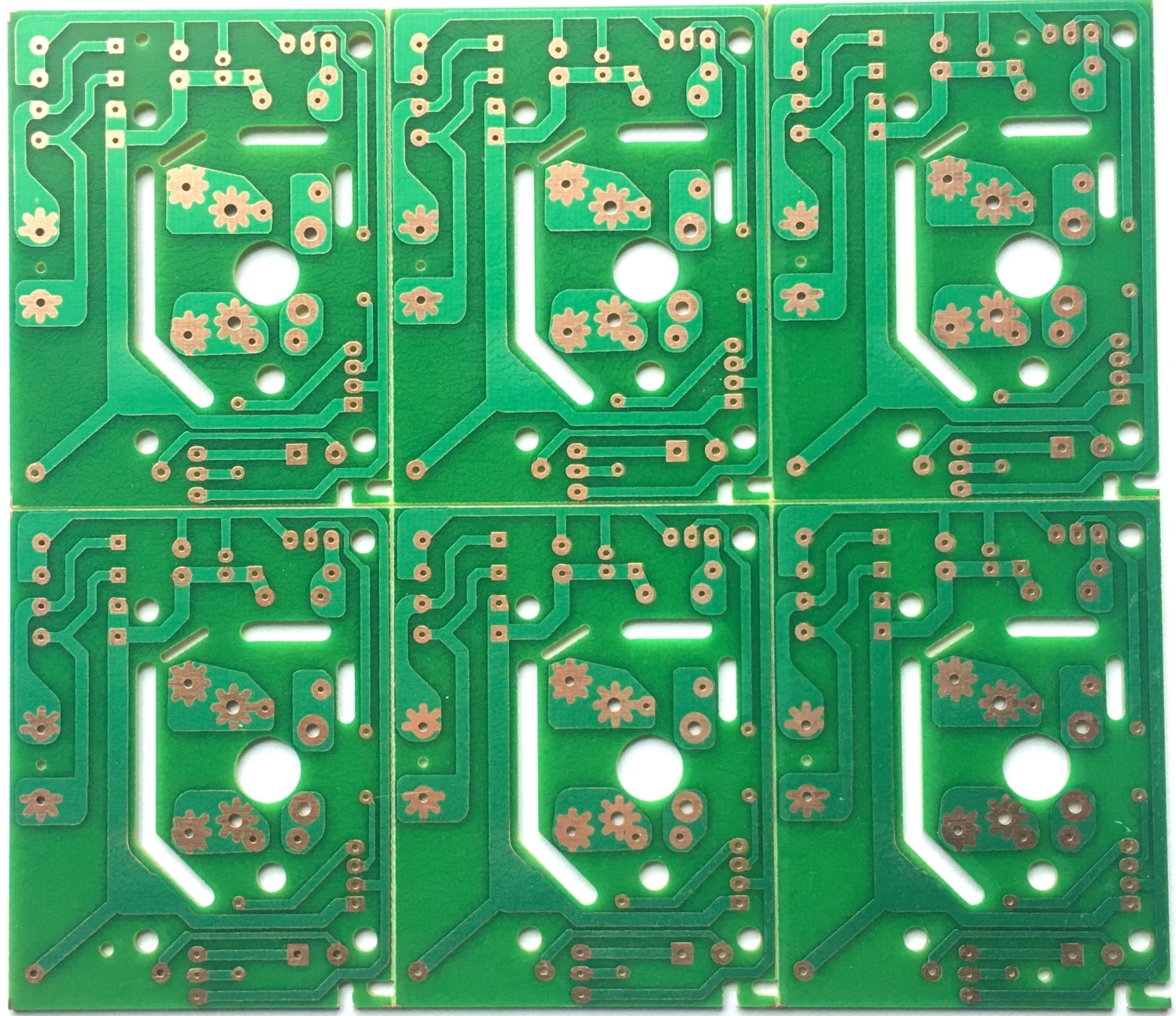
However, single-sided PCB has noticeable limitations in space utilization and circuit complexity. Its single-layer structure cannot support high component density or intricate circuit design. Therefore, it is never adopted for high-performance sophisticated electronics. Common single-sided PCB variants include paper-based boards, semi-fiberglass boards, and full fiberglass boards, widely used in small home appliances, electronic toys, and basic remote control equipment.
2.2 Double-Sided PCB
Double-sided PCB is engineered with conductive circuits on both top and bottom substrate surfaces. The double-layer circuits are interconnected through plated through-holes, effectively improving wiring space and component layout flexibility. Compared with single-sided PCB, this board type can accommodate more electronic parts and support moderately complex circuit logic.
Since double-sided PCB requires extra manufacturing procedures such as hole metallization and double-sided etching, its production cost is higher than single-sided PCB. In the electronic manufacturing industry, most double-sided circuit boards adopt fiberglass substrates. They are extensively applied in medium-complexity equipment, including industrial sensors, communication modules, and basic automotive electronic components.
2.3 Multilayer PCB
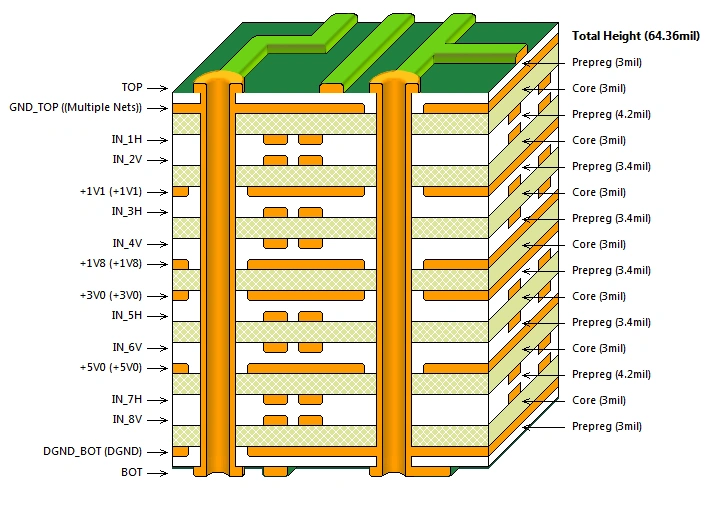
Multilayer PCB consists of three or more stacked conductive layers with insulating dielectric materials sandwiched between each circuit layer. Most commercial multilayer PCBs use high-quality FR4 substrates that ensure stable insulation and excellent mechanical hardness. Through precise lamination and interlayer conduction technology, multilayer PCB achieves ultra-high circuit integration.
Although multilayer PCB involves complicated production processes and relatively high prices, it delivers superior signal quality and stable electrical performance. It is widely used in high-end electronic devices requiring high density and reliability, such as computers, servers, and network switches. Up to now, FR4 multilayer PCB remains one of the most mainstream types of PCB in industrial and commercial electronics.
2.4 HDI PCB
HDI (High-Density Interconnect) PCB is a high-precision circuit board designed for miniaturization trends in the electronics industry. Different from conventional PCBs, HDI PCB adopts advanced blind hole and buried hole technology instead of traditional through-holes, greatly increasing wiring density and saving internal board space. This optimized structure effectively reduces signal loss and enhances transmission stability.
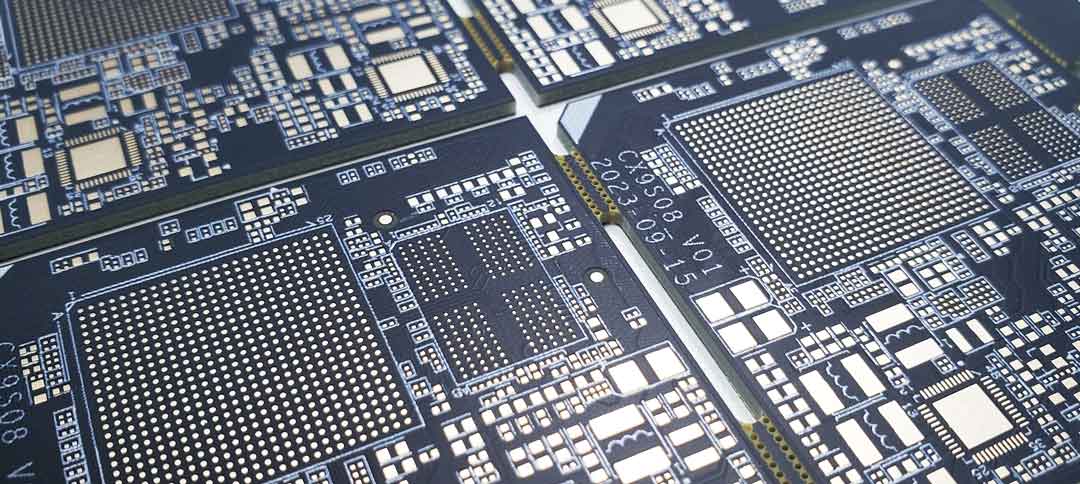
Due to strict craftsmanship requirements and high-grade raw materials, HDI PCB has relatively high manufacturing costs. Nevertheless, its compact structure makes it irreplaceable for portable high-end products. It is widely utilized in communication devices, smartphones, automotive electronics, digital cameras, and precision computer accessories.
2.5 FPC (Flexible PCB)
FPC, also known as flexible PCB, is a bendable and foldable circuit board manufactured with flexible polymer substrates. Unlike rigid circuit boards, FPC can withstand repeated bending, twisting, and deformation without damaging internal copper circuits. Its ultra-thin, lightweight, and highly flexible features solve the installation limitations of rigid PCBs in irregular product structures.
The production process of FPC includes precision film pressing, exposure, and etching, resulting in moderate to high production costs. Currently, flexible PCB is commonly used in wearable gadgets, medical precision instruments, intelligent robots, and foldable consumer electronics, achieving miniaturized design without sacrificing signal performance.
2.6 Rigid-Flex PCB
Rigid-flex PCB is a composite circuit board formed by laminating rigid substrates and flexible substrates under standardized temperature and pressure conditions. It perfectly combines the mechanical strength of rigid PCB and the bending capability of FPC, possessing dual advantages that single-structure circuit boards cannot achieve.
The manufacturing workflow of rigid-flex PCB is extremely rigorous, covering flexible board fabrication, high-precision lamination, drilling, electroplating, and strict quality inspection. The flexible section undergoes insulation layer manufacturing, copper foil processing, film coating, and exposure development. After independent production, rigid and flexible parts are tightly pressed into one integrated circuit board.
Compared with traditional PCBs, rigid-flex PCB provides higher flexibility and mechanical reliability. It adapts perfectly to high-density wiring, high-frequency operation, and high-speed transmission scenarios. Additionally, its optimized production process reduces industrial waste, realizing eco-friendly manufacturing. It is widely applied in mobile phones, communication hardware, automotive electronics, and digital imaging devices.
2.7 Aluminum Substrate PCB
Aluminum substrate PCB is a typical metal-clad copper board with outstanding heat dissipation performance. A standard single-sided aluminum substrate contains three core layers: a conductive copper circuit layer, an insulating thermal layer, and an aluminum metal base. The white solder mask side is designed for LED pin soldering, while the aluminum base side is coated with thermal gel to accelerate heat conduction.
For high-end industrial applications, double-sided and multilayer aluminum substrates are also available. The double-sided version adopts a symmetrical sandwich structure, while multilayer aluminum substrates combine ordinary circuit boards with aluminum bases. Relying on excellent thermal conductivity, aluminum substrate PCB is mainly used in LED lighting, automotive lamps, and high-power heat-generating electronic modules.
2.8 Copper Substrate PCB
Copper substrate PCB is a high-end metal-based circuit board with higher thermal conductivity than aluminum substrates. It is specially designed for high-frequency circuits, extreme temperature environments, precision communication equipment, and architectural electronic decoration industries.
To guarantee strong current-carrying capacity, the circuit layer of copper substrate uses thick copper foil ranging from 35μm to 280μm. The thermally conductive insulating layer is the core technology of copper substrates, composed of high-performance thermal conductive fillers and polymer materials. This layer features an ultra-low thermal resistance of 0.15, excellent viscoelasticity, and thermal aging resistance, capable of enduring severe mechanical and thermal stress. The copper base supports conventional mechanical processing such as drilling, punching, and cutting.
2.9 High-Speed PCB
High-speed PCB is manufactured with specialized high-speed substrate materials, featuring low signal delay, large bandwidth, high stability, and ultra-fast transmission capability. Its production requires advanced manufacturing equipment, including high-precision drilling machines, automatic electroplating systems, and professional surface treatment devices.
Circuit layout design plays a decisive role in high-speed PCB production. Engineers must fully consider signal integrity, electromagnetic compatibility, and transmission rate to avoid signal distortion and interference. This PCB type is widely applied in 5G communication infrastructure, data centers, cloud servers, aerospace equipment, and semiconductor packaging. According to industrial requirements, high-speed PCB can be processed into multilayer, flexible, and rigid-flex structures.
2.10 High-Frequency PCB
High-frequency PCB is customized for high-frequency and microwave working environments, suitable for equipment operating above 300MHz (wavelength below 1 meter) and microwave devices over 3GHz (wavelength below 0.1 meters). Although its basic production process is similar to ordinary PCBs, it has extremely strict physical and chemical requirements. The substrate must maintain low and stable dielectric constant (Dk) and dielectric loss (Df), while precise impedance control is also essential.
High-frequency PCB is an indispensable component of modern wireless communication systems. It is widely used in satellite communication, automotive ADAS systems, and radio frequency equipment. For instance, high-frequency PCB transmits sensor data and control signals in automotive ADAS to ensure fast and accurate data interaction. Moreover, it is commonly adopted in millimeter-wave devices, such as 77GHz vehicle-mounted radar antennas, requiring excellent electrical performance and chemical stability.
3. FAQ About The Types of PCB
Q1: What are the most widely used types of PCB in industrial production?
Among all types of PCB, FR4 multilayer PCB and double-sided fiberglass PCB dominate the industrial market. They balance production cost, mechanical strength, and electrical stability, making them ideal for consumer electronics, industrial control devices, and general communication hardware. Single-sided PCB remains popular for low-budget simple electronic products.
Q2: How to choose suitable types of PCB for electronic projects?
The selection depends on three key factors: circuit complexity, working environment, and budget. Choose single-sided PCB for simple low-power circuits; select double-sided PCB for medium-complexity projects; use HDI, FPC, or rigid-flex PCB for high-precision and flexible installation demands. For high-heat-dissipation equipment, aluminum or copper metal substrate PCB is the optimal solution.
Q3: What is the core difference between high-speed PCB and high-frequency PCB?
High-speed PCB focuses on minimizing signal delay to achieve ultra-fast data transmission, mainly used for servers and data centers. In contrast, high-frequency PCB is optimized for stable high-frequency signal transmission, requiring low dielectric loss. It is widely used in radar, satellite communication, and automotive radio frequency systems.