
Factors to Consider When Choosing a PCB Prototyping Manufacturer
Selecting a PCB prototyping manufacturer is a critical step in the research, development, and production processes of electronic products. Choosing a suitable PCB prototyping manufacturer can provide reliable support for product development and manufacturing. This article details the key factors to consider when selecting a PCB prototyping manufacturer, including pricing, production capacity, technical capabilities, customer feedback, and service attitude, while offering expanded insights to help you make an informed decision.
1. Pricing of PCB Prototyping Factories
Price is one of the most important factors to consider when choosing a PCB prototyping manufacturer. Comparing prices among different manufacturers allows you to select a provider that offers reasonable costs without compromising quality. It is also essential to evaluate whether the pricing aligns with current market rates to avoid falling into low-price traps that may indicate subpar materials or workmanship. When comparing prices, consider the following elements:
- Material Costs: PCB prototyping material costs include substrates, copper foil, electronic components, etc. These costs may vary between manufacturers based on material quality and sourcing.
- Processing Fees: Processing fees cover expenses like tooling (e.g., stencil creation) and manufacturing labor. Differences in equipment efficiency and operational overhead can lead to variations in these fees.
- Brand Premium: Manufacturers with stronger brand recognition and reputation may charge higher prices, often reflecting proven reliability, advanced technology, or superior customer support.
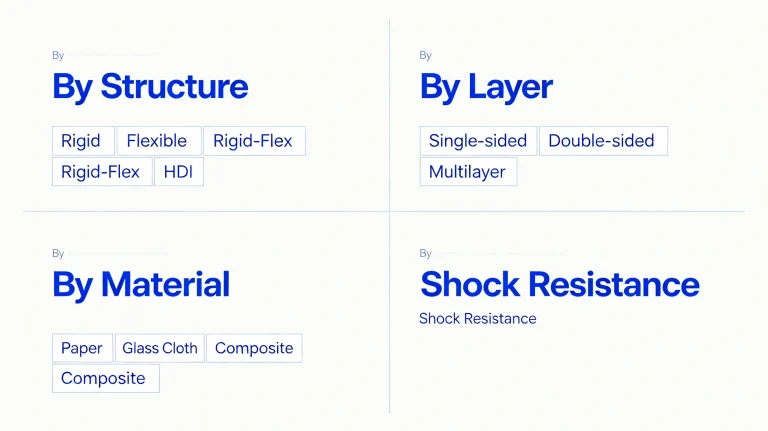
- Technical Expertise: Factories with more advanced technical capabilities, such as handling HDI (High-Density Interconnect) boards or complex multilayer designs, may command higher prices due to their specialized skills and equipment.

2. Production Capacity of PCB Prototyping Manufacturers
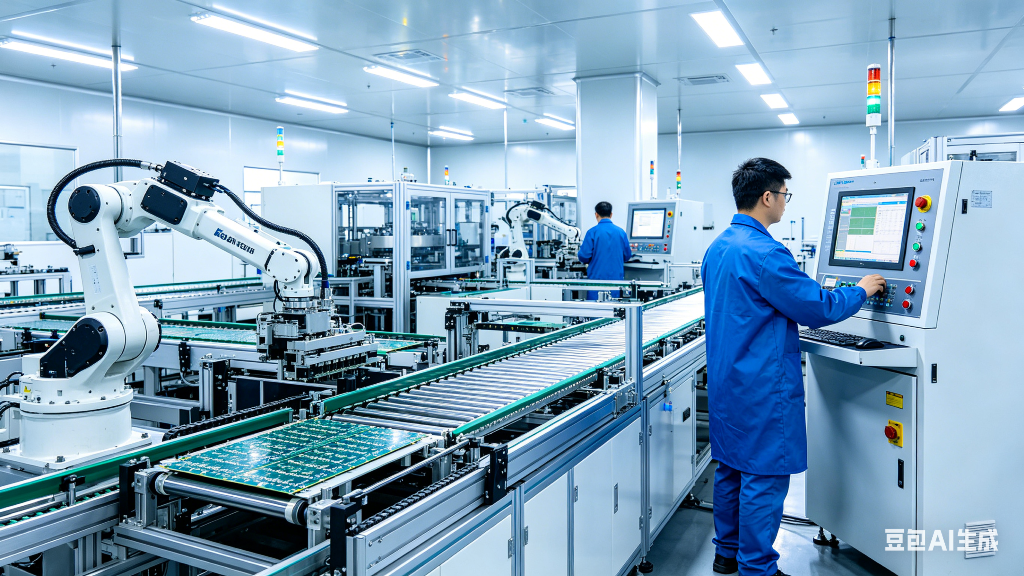
Choosing a manufacturer that can meet your production demands is crucial. Assess the factory’s equipment, production lines, and workforce technical proficiency to ensure they can deliver products that meet quality standards on time. When evaluating production capacity, consider:
- Equipment Modernity: Whether the manufacturer’s machinery is up-to-date and capable of meeting high-precision, high-efficiency PCB prototyping requirements (e.g., laser direct imaging, automated optical inspection).
- Production Line Scale: Whether the production line scale is sufficient to handle large-volume orders or rapid turnaround requests without bottlenecks.
- Employee Technical Skill Level: Whether the technical staff possesses the expertise to promptly address production challenges and ensure process stability.
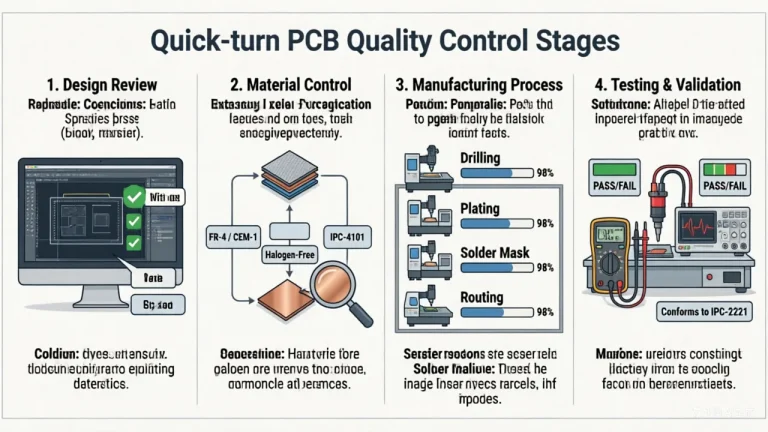
- Quality Control Systems: Whether the manufacturer has a robust quality control system (e.g., IPC standards compliance, thorough testing protocols) to effectively monitor and manage quality throughout production.
3. Technical Capabilities
PCB prototyping requires advanced technology and specialized equipment, making it vital to select a manufacturer with strong technical prowess. Investigate the manufacturer’s R&D capabilities, production techniques, and quality control measures to ensure your product achieves high quality and optimal performance. When assessing technical capabilities, examine:
- R&D Strength: Whether the manufacturer has a strong R&D team capable of supporting special technical requirements, such as impedance control, signal integrity analysis, or flexible PCB design.
- Production Processes: Whether the manufacturing processes are advanced and efficient, balancing productivity with consistent output quality.
- Quality Assurance: Whether the quality management system is comprehensive, ensuring products consistently meet specifications through stages like electrical testing, thermal stress testing, and dimensional verification.
4. Customer Feedback
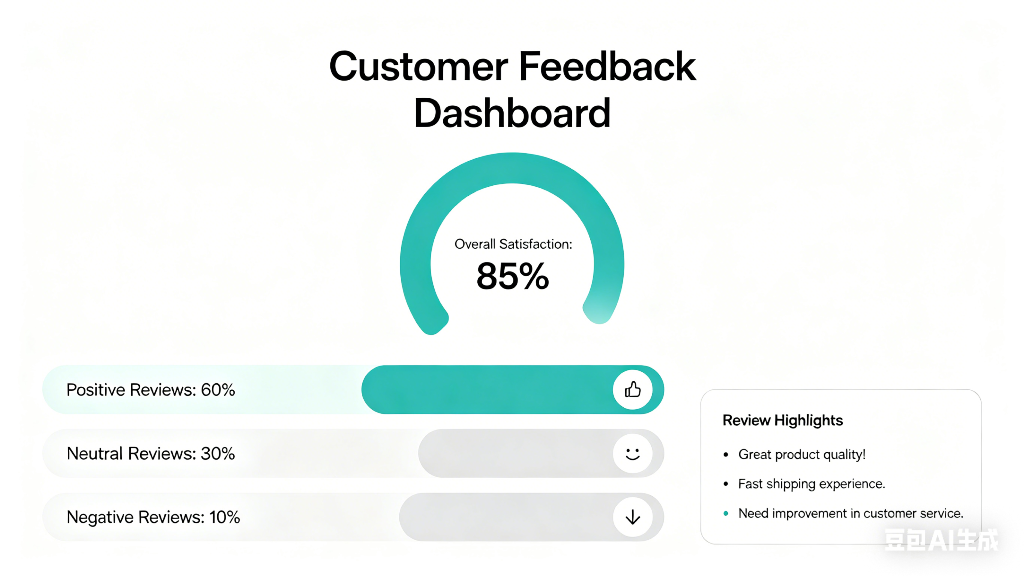
Customer reviews and reputation are key indicators of a manufacturer’s service quality. Research feedback through multiple channels—such as online reviews, case studies, or industry references—to better gauge the manufacturer’s product and service standards. When evaluating customer feedback, consider:
- Customer Satisfaction Levels: Higher satisfaction rates typically reflect better product quality and reliable performance.
- Issue Reporting and Resolution: How the manufacturer handles negative feedback or complaints can reveal their problem-solving effectiveness and commitment to improvement.
- Complaint Channels and Responsiveness: Whether the manufacturer provides accessible channels for feedback and demonstrates timely, proactive resolution of customer concerns.
5. Service Attitude
Excellent service reflects a manufacturer’s professionalism and accountability. Evaluate their pre-sales, during-sales, and after-sales support to determine if they respond promptly and offer effective solutions. Key service aspects include:
- Pre-sales Service: Whether the manufacturer offers thorough consultations, feasibility analyses, and design-for-manufacturability (DFM) feedback to align with your project needs.
- During-sales Service: Whether communication during production is timely and detailed, keeping you informed on progress and any adjustments needed.
- After-sales Service: Whether post-delivery support is robust, including warranties, troubleshooting assistance, and continuous technical support.
Conclusion
Selecting the right PCB prototyping manufacturer involves a holistic evaluation of multiple factors: competitive pricing, scalable production capacity, proven technical expertise, positive customer feedback, and outstanding service attitude. By thoroughly comparing manufacturers based on these criteria, you can identify the most suitable partner to ensure your products achieve high quality and reliable performance. Establishing a stable, long-term collaboration with a trusted manufacturer can also strengthen your competitive edge in the market.