
Guide to Choosing a PCB Supplier
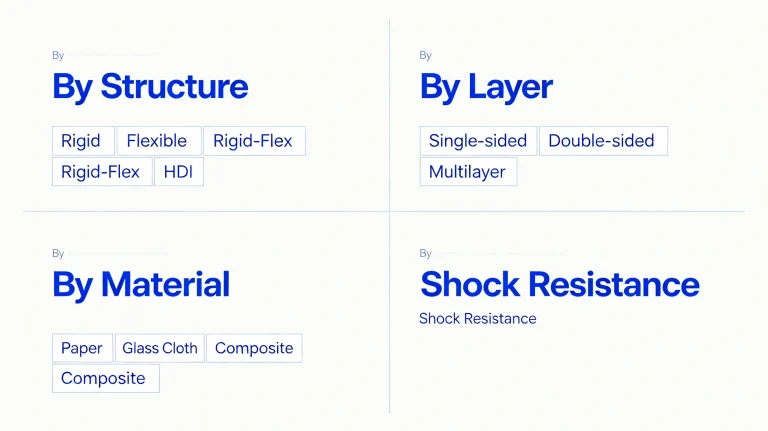
In the dynamic world of electronics, the Printed Circuit Board (PCB) is one of the most critical components. Serving as the backbone, it connects and supports various electronic parts. A reliable PCB supplier offers diverse solutions — from single-sided and double-sided boards to complex multilayer boards, available in various sizes, shapes, and colors — to power everything from consumer gadgets to industrial systems.
Selecting the optimal PCB supplier is a strategic decision. Here is a comprehensive guide to navigate this choice, ensuring you acquire high-quality, dependable PCBs that fully meet your project requirements.

I、 Key Factors for Choosing a PCB Supplier
1. Quality
Quality stands as the foremost priority. An excellent PCB supplier consistently delivers boards that adhere to stringent international quality and environmental standards. Certifications like ISO 9001 (Quality Management) and ISO 14001 (Environmental Management) are strong indicators of a supplier’s commitment to a robust production process.
2. Price
Price is a practical factor that cannot be ignored. While competitiveness is key, true value lies in finding a partner who offers fair pricing without compromising on quality. A thorough cost-benefit analysis across different suppliers helps align your choice with both budget and project needs.
3. Delivery Time
Time-to-market is crucial in electronics. Fast, reliable, and on-schedule delivery is essential. A capable supplier has efficient manufacturing capacity and strong supply chain management to support your project timeline and prevent production delays.
4. Customer Service
Exceptional customer service is a hallmark of a great partner. This includes prompt response times, proactive communication, and access to expert advice and solutions. A supportive service team ensures smooth collaboration and effective troubleshooting throughout your project lifecycle.
5. Technical Capability
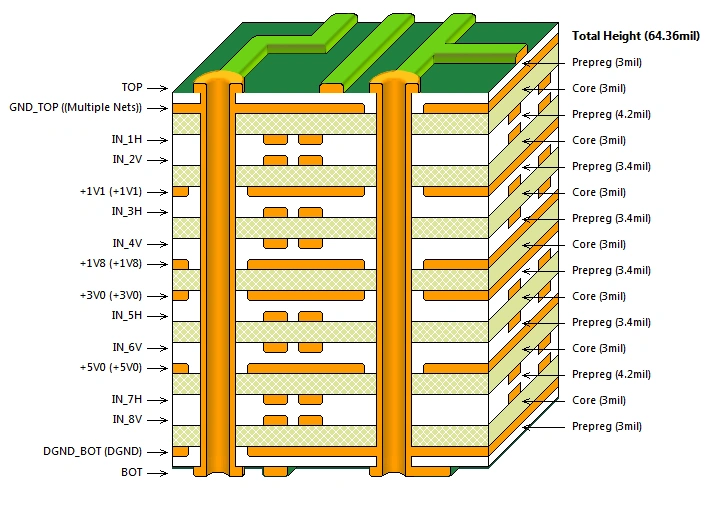
For complex or advanced PCB designs—be it a 12-layer high-density interconnect board or a flex-rigid design—deep technical expertise is vital. Your ideal supplier should offer comprehensive support, from professional design feedback (layout, routing) to material consultation, ensuring manufacturability and performance.
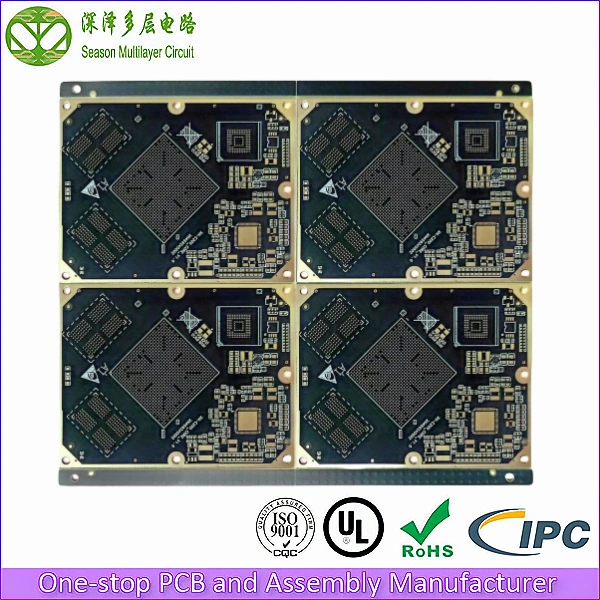
12-layer 1-step HDI
Layer Count: 12L(1+10+1)
Material: FR4 Tg170
Board Thickness: 1.2mm
Panel Size: 140*120mm/4
Outer Layer Copper Thickness: 1OZ
Inner Layer Copper Thickness: HOZ
Min Via Diameter: 0.20mm
Microvia Hole Size: 0.1mm
Trace Width/Spacing: 3/3mil
Min BGA Pad: 0.20mm
Surface Finish: ENIG1-2U’’
12-Layer 1-Step HDI core pcb,RK3588 core board, designed for industrial control applications.
II、The 5-Step Framework to Identify Your Ideal Partner
1. Conduct a Comprehensive Supplier Comparison
The procurement journey begins with a systematic evaluation. Do not settle for the first option. Perform a head-to-head analysis of potential partners based on the five core factors mentioned above: quality, price, delivery time, customer service, and technical capability. Assess their quality consistency, cost structure, production capacity schedules, service-level responsiveness, and experience with projects similar to yours. A thorough comparison provides a solid foundation for a successful long-term partnership.
2. Select the Supplier That Best Fits Your Specific Needs
After the initial comparison, deeper engagement is crucial. Communicate directly with the shortlisted suppliers to discuss your project’s specific requirements, technical challenges, and expectations. Understanding their core competencies, service nuances, and willingness to support your unique needs will reveal the best strategic fit.
3. Verify Manufacturing Processes & Quality Standards; Request Samples
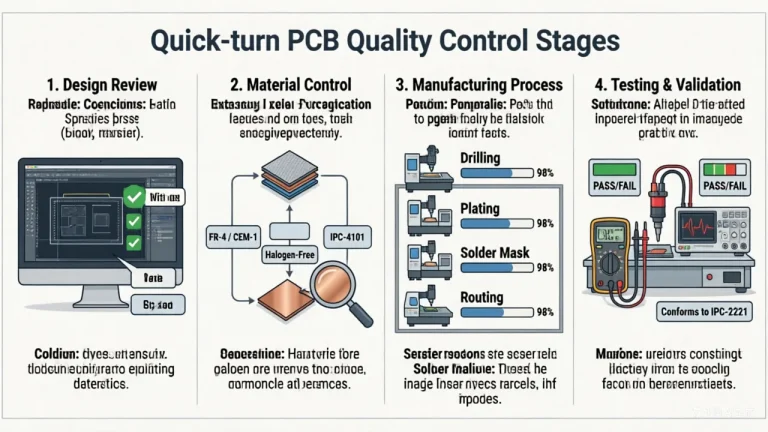
Move beyond promises to verify performance. Understand a supplier’s production workflow, quality control measures, and testing protocols. Crucially, always request physical samples for your own testing and evaluation. Assess these samples on structural integrity, electrical performance, solderability, and surface finish. For instance, a reliable partner should guarantee precise specifications for complex boards, such as a 12-layer FR4 board with features including controlled impedance, specific copper weights, and micro-vias. This hands-on verification helps confirm quality and build the confidence needed for a major commitment.
4. Formalize the Partnership with a Clear Contract
Once you’ve selected your preferred supplier, formalize the agreement through a detailed contract. This document should unambiguously define all critical terms:
- Quality Standards: Specify all technical requirements and acceptable tolerances.
- Delivery Timeline: Define clear milestones for prototyping and full production runs.
- Pricing Structure: Outline all costs, payment terms, and potential change orders.
- Service Terms: Clarify post-sales support, return/refund policies, and communication protocols.
A well-defined contract protects both parties, manages expectations, and sets the stage for smooth, long-term cooperation.
5. Foster a Long-Term Relationship with Regular Performance Reviews
Supplier selection is not a one-time event; it’s the start of a relationship. Commit to building a strategic, long-term partnership. This ensures a stable, secure supply chain and fosters innovation through mutual understanding.
Implement periodic performance reviews based on the original selection criteria:
- Quality: Ongoing defect rate analysis and reliability testing of received PCBs.
- Price: Regular benchmarking against the market to ensure continued cost-effectiveness.
- Delivery Time: Monitoring adherence to schedules and on-time-in-full (OTIF) metrics.
- Customer Service: Evaluating responsiveness, issue resolution effectiveness, and communication clarity.
Consistent evaluation allows for continuous improvement, solidifying the partnership and ensuring your projects have the PCB foundation needed for long-term success.
Conclusion
Choosing the right PCB supplier is one of the most critical decisions for any electronic device project. By focusing on a holistic set of factors (Quality, Price, Delivery, Service, Technology) and following a structured 5-step process, you can identify a partner who is not just a vendor, but a collaborator invested in your success. Establish a long-term partnership, conduct regular performance assessments, and ensure your electronic innovations are built on the strongest possible foundation.

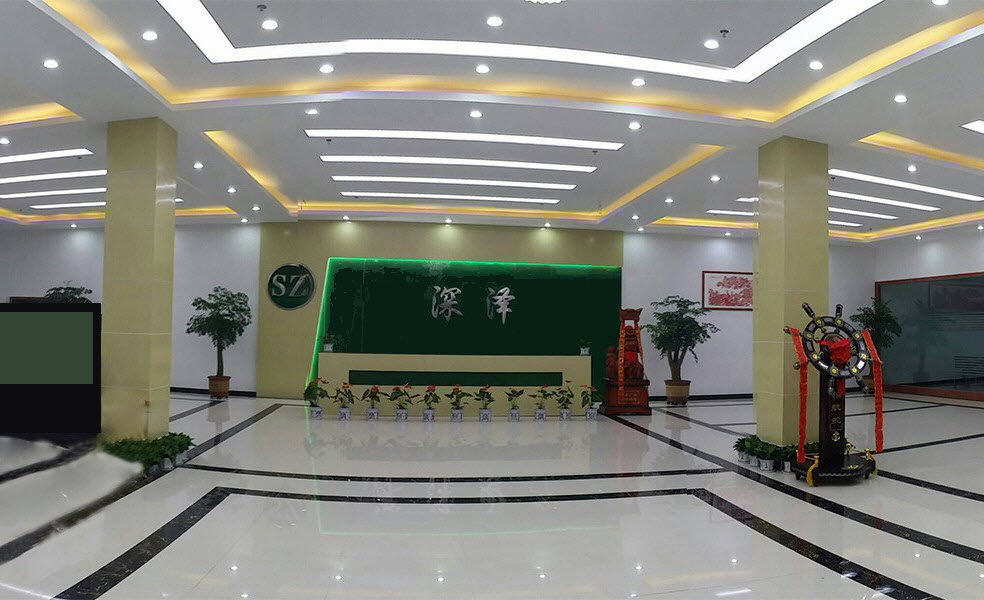
Season Multilayer Circuit is a professional PCB manufacturer specializing in advanced HDI, multi-layer PCBs, HDI prototyping, quick-turn PCB prototyping, high-frequency/high-speed PCBs, FPCs, rigid-flex boards, SMT assembly, and PCBA services. We offer one-stop PCB and PCBA manufacturing with fast delivery and competitive pricing, committed to providing high-value, cost-effective solutions.
Due to the well-managed season and reasonable Cost control, it has a considerable advantage in PCB Cost. If you have a limited budget for PCB costs, you can give this company a try. I believe it will bring you unexpected surprises.