
Key Factors Determining Your PCB Cost & Pricing
Choosing a PCB (Printed Circuit Board) supplier means more than just comparing quotes—it means understanding what goes into that price. The cost of a PCB isn’t just the sum of materials and labor; it’s a blend of engineering, market forces, customization, and support.
Whether you’re designing a high-density board for automotive applications or a reliable SSD controller board, this guide breaks down the eight major factors that shape PCB pricing.
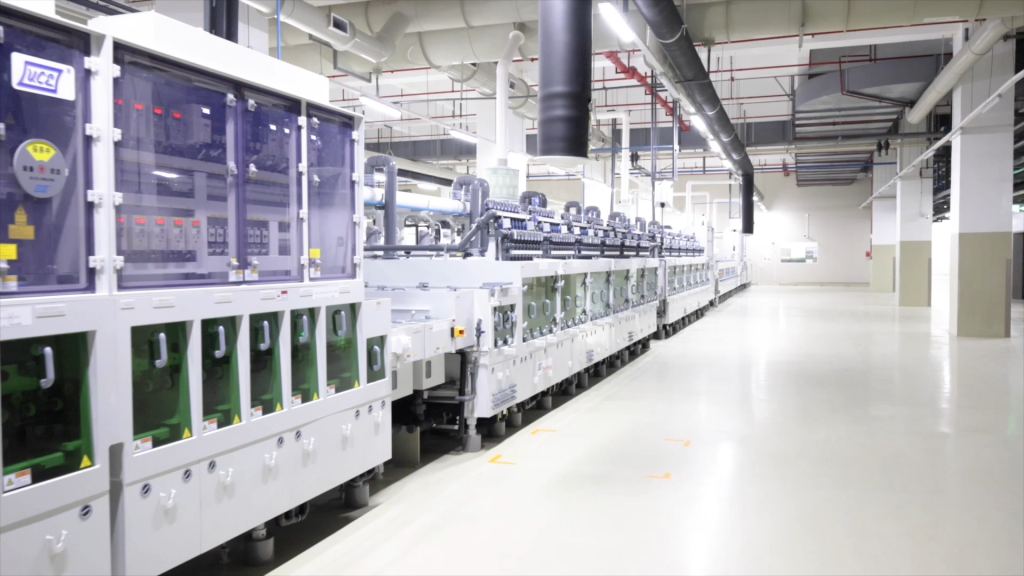
1. Direct Manufacturing PCB Costs
This is where your board physically takes shape. The materials and processes used are the most direct contributors to pcb cost.
- Raw Material Cost (30%–60% of total):
- Substrate/Board Material: The foundational pcb cost driver. Common FR-4 is economical; high-performance materials like FR-4 Tg170 (for thermal reliability) or specialized high-frequency laminates cost significantly more.
- Copper Foil: Thickness (e.g., 1 oz, 2 oz, 35μm) and market copper prices directly impact pcb cost.
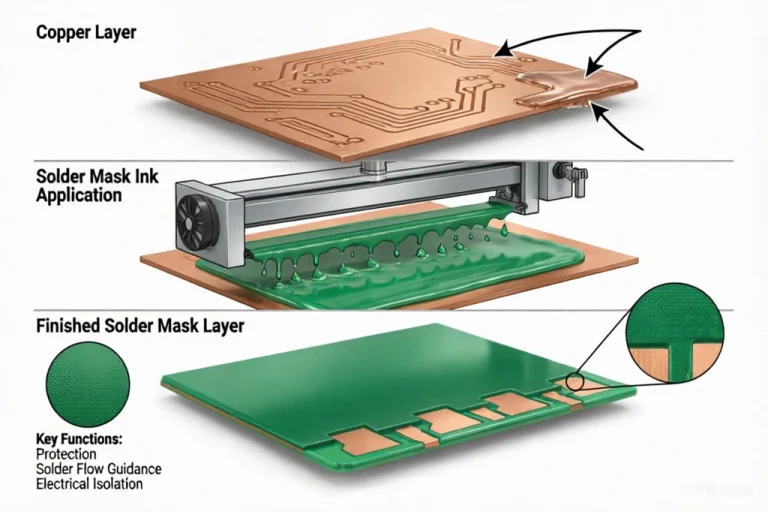
- Consumables: Solder mask, legend ink, chemical etchants, and laminates.
- Production & Process Costs:
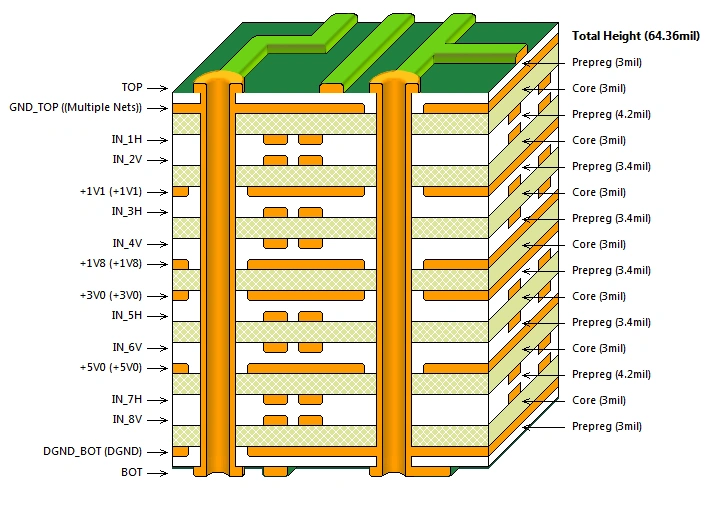
- Layer Count & Technology: A standard 6-layer board costs more than a 4-layer board due to added lamination and drilling steps. HDI (High-Density Interconnect) technology (e.g., 1-step HDI with 0.10mm blind vias) involves laser drilling and sequential lamination, which substantially increases cost.
- Design Complexity:
- Fine Features: Tighter trace/space (e.g., 3/3mil) and smaller via holes (0.15mm) require high-precision equipment and reduce yield.
- Surface Finish: Immersion Gold (ENIG) offers superior reliability for fine-pitch components but is more expensive than standard HASL (lead-free solder).
- R&D & Engineering (NRE – Non-Recurring Engineering):
- Design & Simulation: Complex layouts for specific chipsets (e.g., Intel Sofia 3G-R for automotive mirrors or SM2246EN for SSDs) require engineering time.
- Testing & Validation: Prototyping, test jig creation, and electrical validation before mass production.
2. Indirect Costs & Business Overheads
These are the necessary costs to run the factory and support operations, distributed across all orders.
- Administrative Expenses: Management, IT, facilities.
- Sales & Marketing: Commissions, trade shows, client acquisition.
- Financial Costs: Interest on loans, currency exchange fluctuations.
3. Market Dynamics & Commercial Factors
External elements that determine the final price point in the marketplace.
- Supply & Demand: Global shortages in copper or laminate resins can drive prices up. High demand from sectors like automotive or telecom creates longer lead times and potential price premiums.
- Competitive Landscape: The PCB market is highly competitive. Suppliers may adjust margins based on their niche—standard boards face price pressure, while specialized HDI or high-reliability boards command higher prices.
- Customer Requirements:
- Quality & Certification: Automotive-grade (IATF 16949) or military-grade production involves stricter testing and documentation, increasing cost versus consumer-grade.
- Lead Time: Expedited production or air-shipped samples incur rush fees.
4. Value-Added Services & Additional Considerations
- Customization: Fully custom designs (unique outline, specific impedance control) add to engineering effort and cost versus using a standard design.
- Logistics & Shipping: Costs vary by destination (domestic vs. international) and method (standard sea freight vs. air freight). Panel size (e.g., 138*162mm/2 for efficient manufacturing) also affects shipping efficiency.
- Compliance & Environmental: Adhering to RoHS, REACH, or halogen-free standards may require costlier materials and specialized waste treatment.
- After-Sales Support: Reliable suppliers factor in technical support, warranty, and potential rework into their pricing model.
PCB Cost Examples: From Automotive to Data Storage
To illustrate how these factors combine, here are two real-world board specifications from the provided content:
Example A: Automotive HDI PCB
- Application: Rearview mirror systems using Intel Sofia 3G-R solution.
- Specs: 6-layer, 1-step HDI (1+4+1), FR-4 Tg170, 1.6mm thick, 3/3mil trace/space, 0.10mm blind vias, Immersion Gold finish.
- Cost Drivers: HDI process, high-reliability material (Tg170), fine features, and automotive-grade validation.
Example B: Industrial SSD Controller PCB
- Application: Industrial computers, servers using SM2246EN controller.
- Specs: 6-layer, FR-4 Tg170, 1.0mm thick, 3/3mil trace/space, 0.25mm BGA, Immersion Gold finish.
- Cost Drivers: High-layer count for signal integrity, stable material for 24/7 operation, fine-pitch BGA assembly requirements.
PCB Cost Conclusion & Smart Procurement Tips
Understanding PCB pricing empowers you to make better buying decisions. Instead of just asking “how much,” provide detailed specifications and discuss:
- Full Technical Requirements: Clearly define layer count, material, copper weight, minimum hole size, trace/space, surface finish, and any special tests (e.g., impedance control).
- Application & Environment: Is it for consumer electronics, automotive, or industrial use? This determines the required quality level.
- Order Volume & Forecast: Larger, recurring orders typically get better per-unit pricing.
- Total Cost of Ownership: Consider not just the unit price, but also quality, reliability, on-time delivery, and technical support.
By aligning your requirements with a manufacturer’s capabilities and transparently discussing these eight cost factors, you can optimize your PCB procurement for performance, reliability, and value.
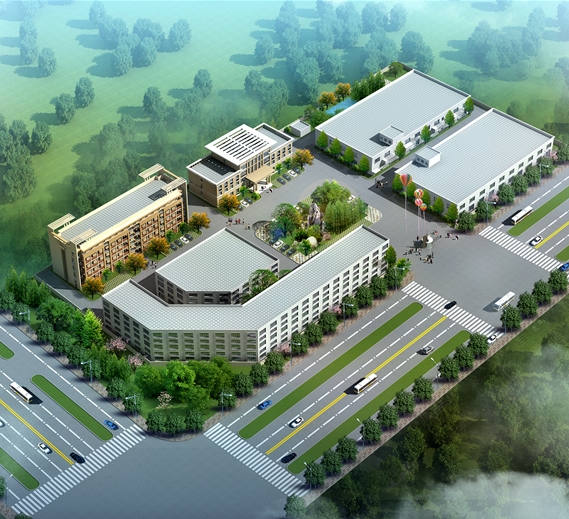
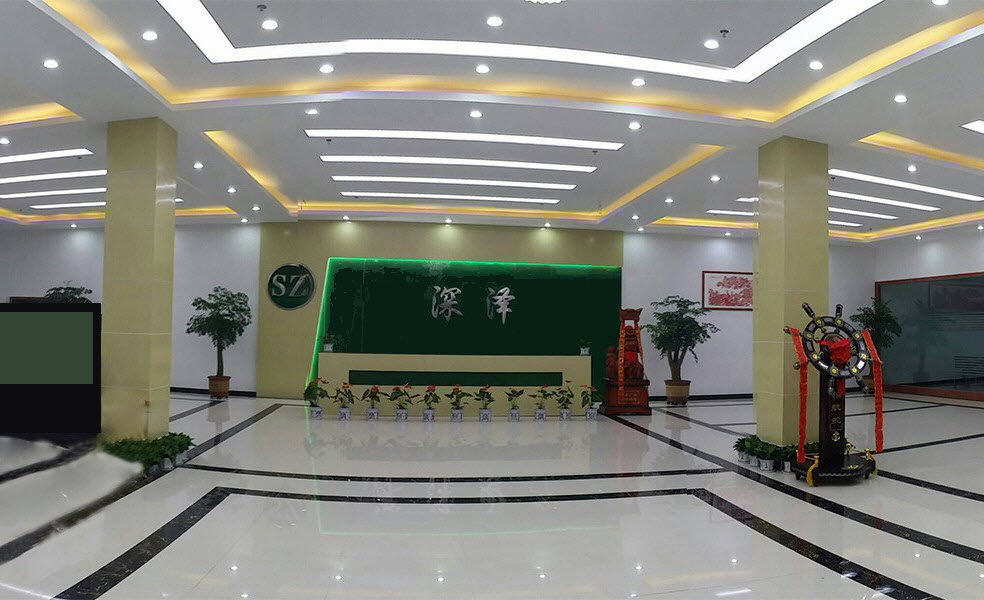
Season Multilayer Circuit is a professional PCB manufacturer specializing in advanced HDI, multi-layer PCBs, HDI prototyping, quick-turn PCB prototyping, high-frequency/high-speed PCBs, FPCs, rigid-flex boards, SMT assembly, and PCBA services. We offer one-stop PCB and PCBA manufacturing with fast delivery and competitive pricing, committed to providing high-value, cost-effective solutions.
Due to the well-managed season and reasonable Cost control, it has a considerable advantage in PCB Cost. If you have a limited budget for PCB costs, you can give this company a try. I believe it will bring you unexpected surprises.
If you are interested in the PCB Cost article, it is recommended that you save it for future reference.