UL Certification in the PCB Industry
UL certification is of paramount importance in the PCB industry. As one of the authoritative standards for safety, UL certification is a key requirement for market access. In the PCB field, UL certification primarily involves the safety and reliability of PCB materials, components, and manufacturing processes. This article introduces the concept of UL certification, its importance in the PCB industry, the certification process, and common UL standards in PCB manufacturing.
1. What is UL Certification?
UL stands for Underwriter Laboratories Inc. Founded in 1894, UL is one of the world’s largest non-governmental organizations engaged in safety testing and certification and is widely recognized as an authoritative body for safety standards. Its results serve as a crucial criterion for market access. UL primarily conducts safety tests and evaluations on various equipment, systems, and materials to ensure compliance with standards in fire safety, electrical safety, health, and environmental protection.
The UL mark is not a quality mark; it is solely a safety certification mark indicating that a product has passed UL’s safety testing and meets safety regulations. It is a misconception among many consumers that the UL mark signifies the highest level of quality, as UL focuses exclusively on product safety and does not assess other performance metrics.
2. Importance of UL Certification in the PCB Industry
In the PCB industry, the significance of UL certification is mainly reflected in the following aspects:
- Ensuring Product Safety: UL certification involves rigorous safety testing and assessment of PCB materials, components, and manufacturing processes, ensuring products comply with safety standards and reducing potential safety risks during use.
- Enhancing Market Competitiveness: UL certification is internationally recognized. Many countries require imported products to have UL certification. Therefore, obtaining UL certification for PCB products facilitates entry into international markets and boosts their competitiveness.
- Increasing Consumer Trust: If a PCB product passes UL certification, it must meet UL’s safety standards, which builds greater consumer confidence in the product.
3. The UL Certification Process
- Apply for the UL Mark: Submit an application to UL, providing necessary documents such as product manuals, technical files, circuit schematics, PCB layouts, a list of key components with their UL file numbers, and product samples.
- Pay Fees: Pay applicable fees after submission. The cost depends on the product type and the specific UL mark sought.
- Review and Testing: Upon acceptance, UL reviews submitted documents and tests samples. Additional information or samples may be requested.
- Approval and Mark Usage: Once the application passes, authorization to use the UL mark is granted, subject to fee payment and adherence to UL’s ongoing requirements.
4. Common UL Standards in the PCB Industry
Common UL standards in PCB manufacturing include:
- UL 796: Specifies safety requirements and test methods for components (capacitors, diodes, transistors, etc.) on printed wiring boards.
- UL 508: Part of the US National Electrical Code (NEC), outlining safety requirements and test methods for PCBs used in industrial control equipment.
- UL 60738: Defines safety requirements and test methods for components on PCBs intended for use in medical equipment.
In summary, UL certification plays a vital role in the PCB industry. Obtaining it enhances product safety and reliability, aids in entering international markets, improves brand image, and fosters greater consumer trust.

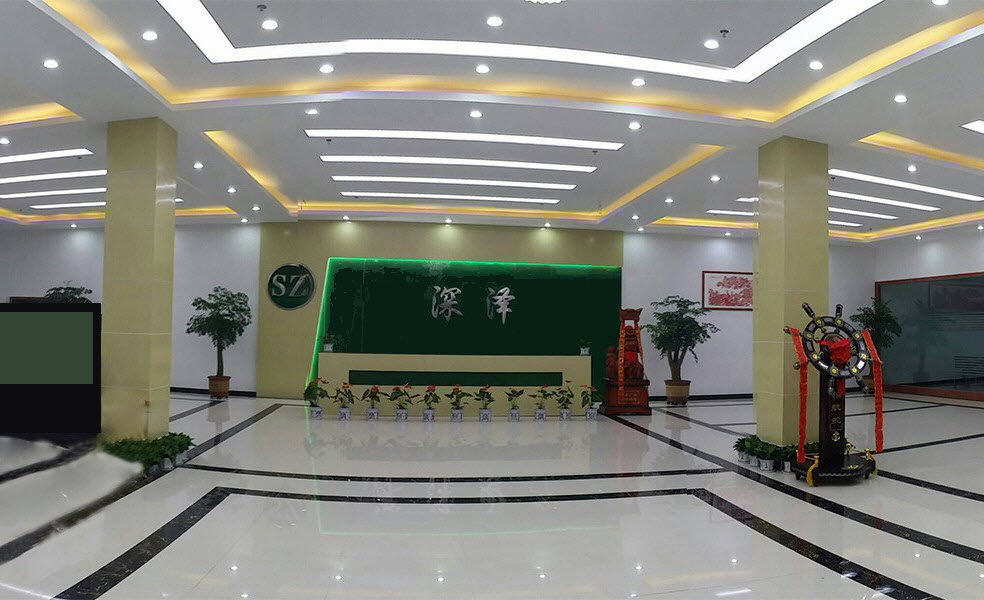
Season Multilayer Circuit is a professional PCB manufacturer specializing in advanced HDI, multi-layer PCBs, HDI prototyping, quick-turn PCB prototyping, high-frequency/high-speed PCBs, FPCs, rigid-flex boards, SMT assembly, and PCBA services. We offer one-stop PCB and PCBA manufacturing with fast delivery and competitive pricing, committed to providing high-value, cost-effective solutions.
Season holds certifications including ISO9001-2000, UL, ISO9001-2008, ISO14001-2004, CQC, and TS/16949. We can assist with certification needs for qualified projects and offer free prototyping under specific conditions. Season serves diverse industries such as communications, consumer electronics, industrial control, military, automotive, and aerospace, earning broad customer satisfaction. Choosing Season is your best option for quality and efficient service.